Colorado's 7-7 Ballot Split Leaves Weiser With Repeal Task
Colorado voters split evenly on fifteen ballot measures, approving seven and rejecting seven. Governor Weiser now faces the challenge of modifying or repealing four narrowly passed conservative amendments before they take effect.
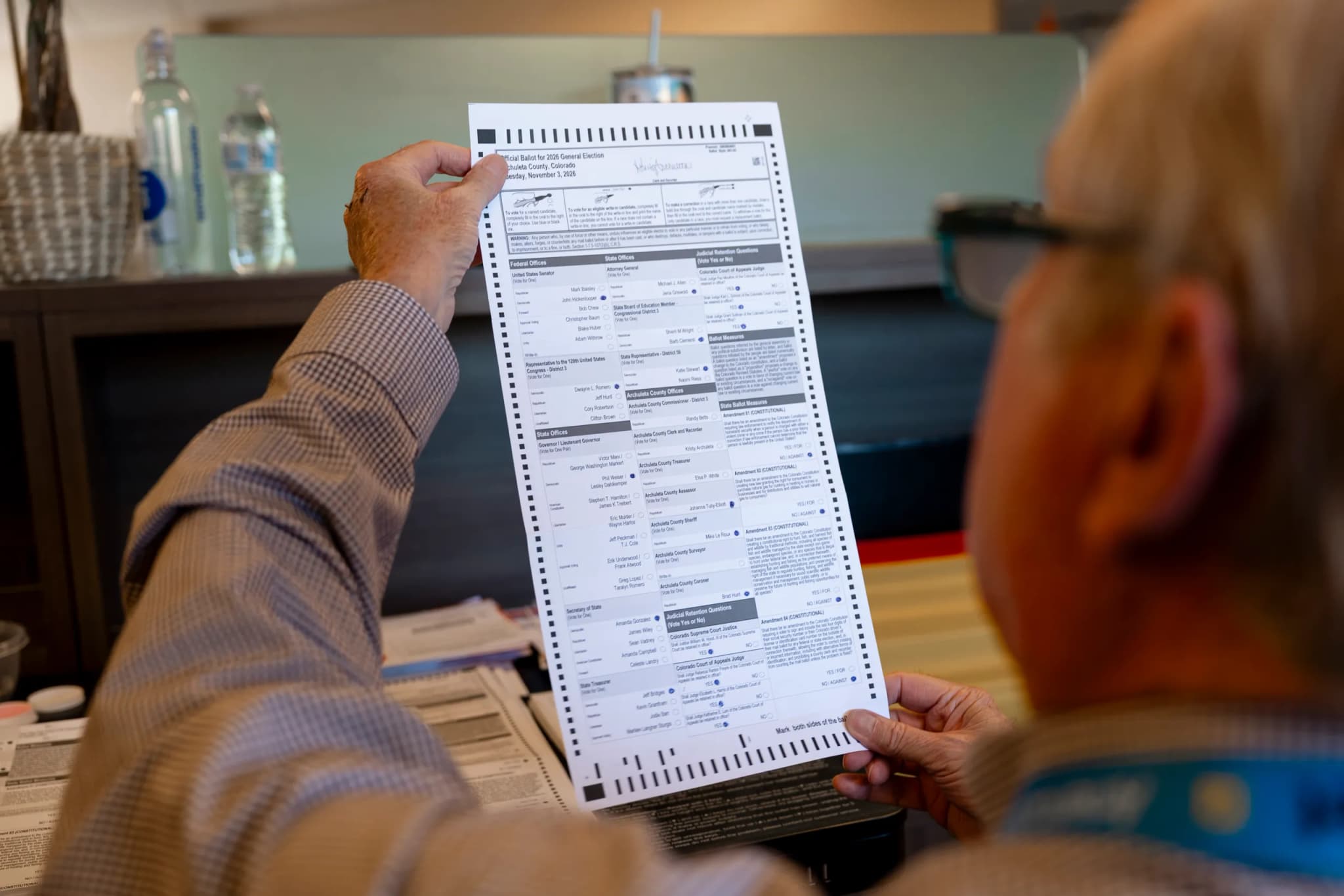
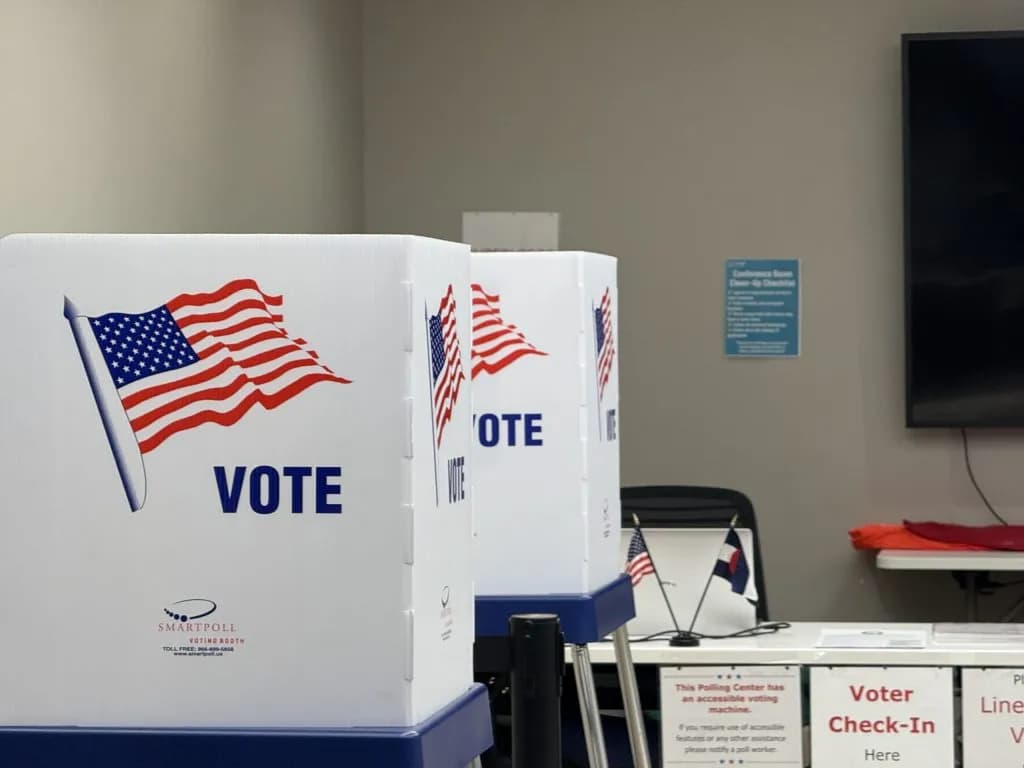
Colorado voters went to the polls this week to decide on fifteen state ballot measures, ranging from tax increases and criminal justice reforms to environmental protections and issues concerning transgender rights. The results were a precise split: seven measures were approved, and seven were rejected. Additionally, one measure affecting a broad area of the Front Range passed.
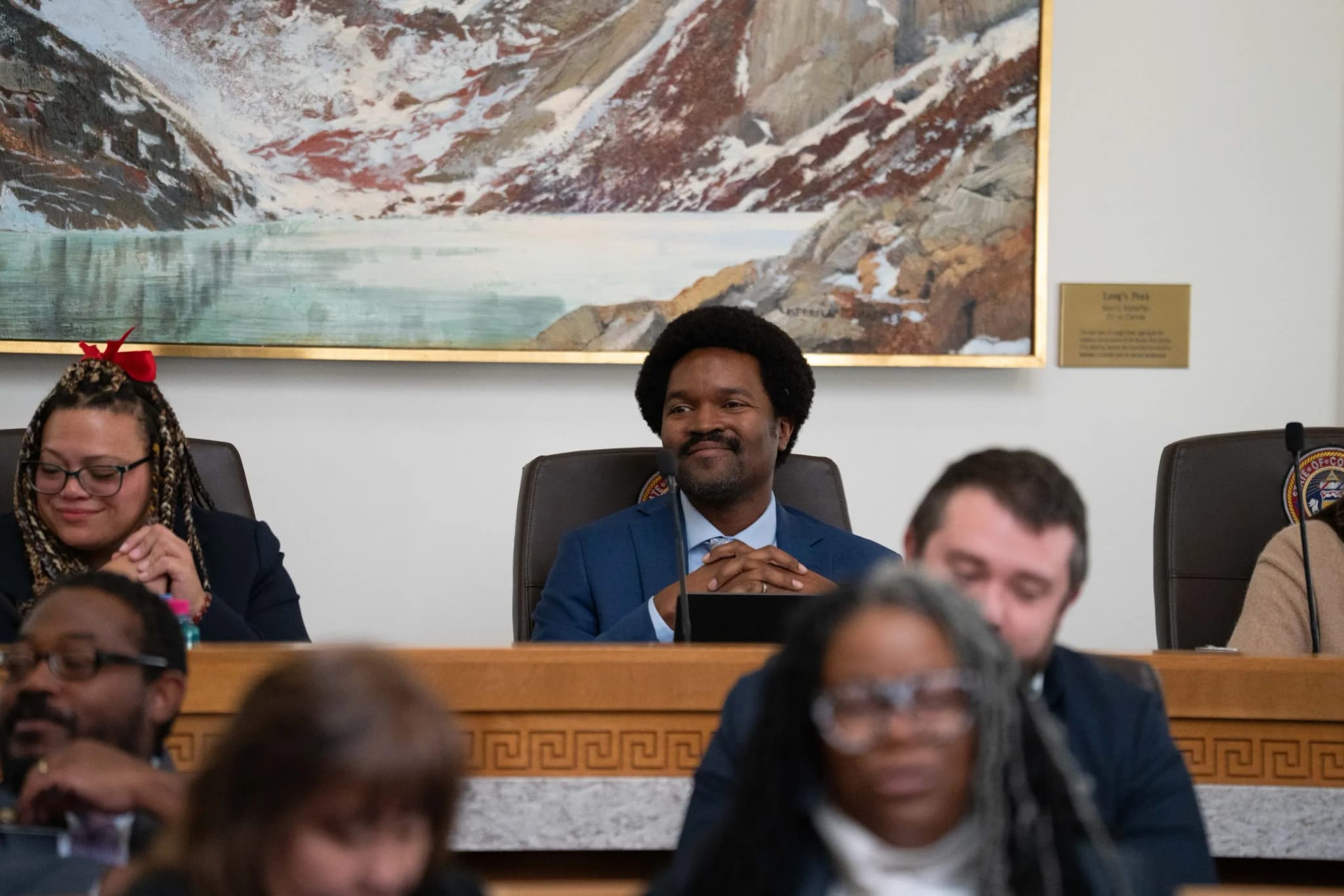
To hear them tell it, the outcome was a mixed bag that now puts the burden on the incoming administration. With elected Governor Phil Weiser and prominent Democratic legislators already weighing in, the immediate political focus has shifted to the four conservative-backed measures that narrowly squeaked by. Lawmakers are currently considering how to modify or even repeal these provisions before they fully take effect.
The question is whether the new leadership can navigate the legal and political minefield created by these constitutional amendments. For instance, Amendment 81, which sought to tighten collaboration between local law enforcement and federal immigration agents, was rejected by a 55% margin. Similarly, Amendment 82, which aimed to enshrine the right to produce and use natural gas, fell short of the required 55% threshold, securing only 46% of the vote.
These rejections signal a cautious electorate that may be wary of entrenching specific policy preferences into the state’s highest law. On the other hand, the approval of other measures suggests that voters are still willing to support change when the stakes are clear. The math holds up on the surface — seven yes, seven no — but the implications of each "yes" and "no" will play out over the coming months as courts interpret the new language and agencies implement the rules.
That depends on who you ask, but for the neighbors living through this transition, the reality is that the state’s direction is now a patchwork of new mandates and old habits. The community will likely see the most tangible changes in areas like property taxes, where approved measures often have direct financial impacts, and in criminal sentencing, where rejected proposals meant the status quo remained intact.
As the dust settles on this election cycle, the focus turns to implementation. It is no longer just about what was voted on, but how it will be executed. The next few months will be critical in determining whether these new laws become effective tools for governance or sources of further confusion.
"We've got a lot of work to do, but I think the people of Colorado have shown that they're ready for change," said one of the key figures in the post-election analysis. "The challenge now is to make sure that change works for everyone, not just a select few."
Keep up with the Western Slope
The day's Western Slope news, one email each morning. Free.