Vail Activist Fight Pits Corporate Strategy Against Local Housing Needs
Oasis Management’s proxy fight against Vail Resorts has split the town, with locals demanding housing and water protections that corporate executives say are already addressed by their new network strategy.
Aspen —The air in Vail is thin and sharp, cutting through the noise of a corporate boardroom that feels miles away from the gondola lines. It is a place where the stock ticker for Vail Resorts, trading under the symbol MTN, has dropped from a high of $344.71 in October 2021 to $137.76 this Thursday, a decline that mirrors the erosion of trust between a massive corporation and the town that shares its name. The obvious take is that this proxy fight, led by Oasis Management, is a battle for shareholder value. But if you look closely at the filings and the local pulse, it is actually a fight over who gets to define what "benefit" means for the people living in the shadow of the mountain.
Vail Resorts officials weighed in late Wednesday, attempting to steer the narrative away from the activist pressure and toward their own strategic vision. In a filing with the Securities Exchange Commission, Oasis officials wrote that they “believe that a more engaged and accountable board will help ensure that (Vail Resorts’) strategic and operating decisions appropriately reflect the interests of its guests, employees, local communities, and shareholders.” This is a broad claim. It suggests that the current board is asleep at the wheel, ignoring the very community that hosts their operations.
The counter-narrative comes from Kelsey Pietranton, Vail Resorts senior director of corporate and employee communications. In an email response to local criticism, she pointed to the “Epic Experience” strategy, a multi-year plan announced in July. She argued that leveraging scale and technology to make the mountain journey “seamless, personalized, and memorable” is the true benefit. She also cited CEO Rob Katz’s recent podcast episode on “The Strength of the Network,” where he explained how an integrated network enables investment in innovation. It is a polished argument, one that speaks to efficiency and guest loyalty. But it leaves out the texture of daily life in Vail: the parking shortages, the water rights tensions, and the housing crisis that locals face when a global brand decides to expand its footprint.
Enter Merv Lapin, a longtime securities broker and Vail resident who served on the Town Council during the early 1990s ownership change. He penned a column in the Vail Daily calling for something more specific than a podcast appearance: a committee of financial experts to monitor the takeover bid. He wants this group to advocate for concrete deliverables — more employee housing, better parking solutions, water rights protections, and skier-safety limits. Lapin isn’t asking for a new logo; he’s asking for infrastructure that supports the people who live here, not just the guests who pay to ski.
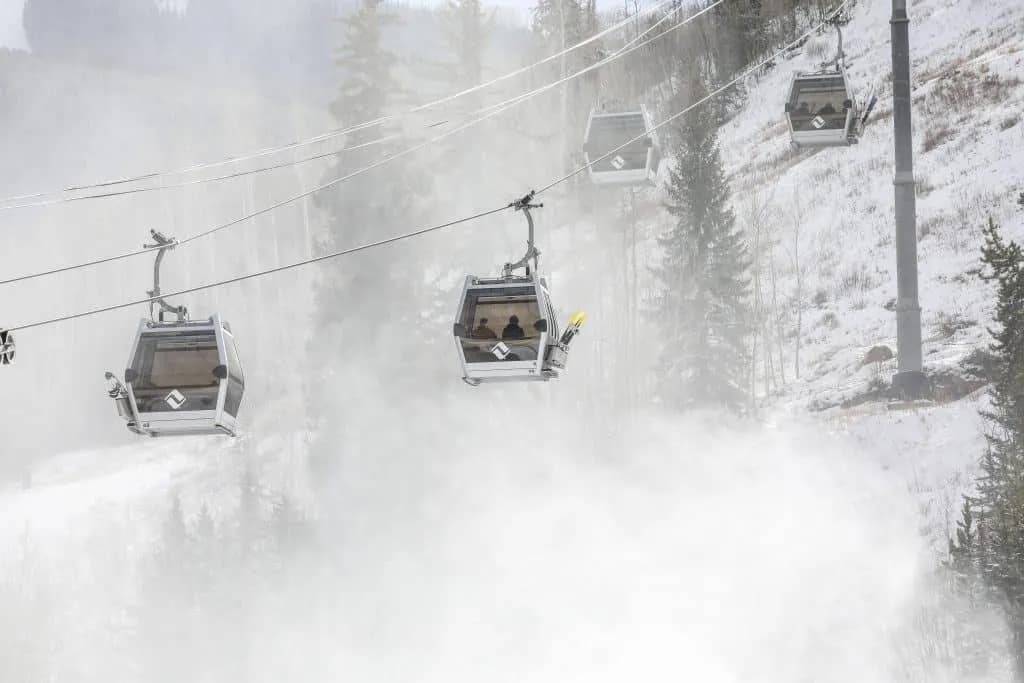
Pietranton’s response leaned heavily on what she deems a strong relationship with the Vail Town Council, specifically regarding the proposed West Lionshead project. This development includes a new event venue, additional parking, housing, a hotel, a fitness facility, and a new gondola up Vail Mountain. For the company, this is proof of partnership. For critics, it is a double-edged sword that raises the stakes on how much density the town can absorb before its character shifts.
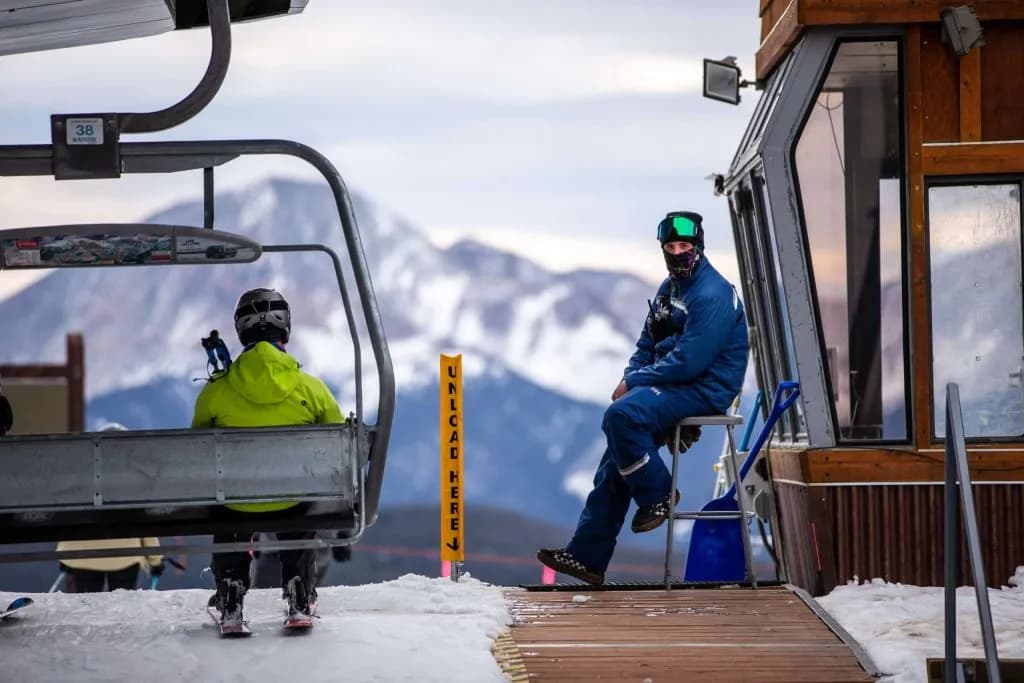
The stock price is a number, but the town is real. It smells of pine and diesel fumes from the maintenance yards. It sounds like the clatter of skis on metal stairs and the quiet hum of a boardroom in Broomfield, Colorado. When Vail Resorts points to its network as a competitive advantage, it is talking about revenue streams. When Lapin calls for a committee on housing and water, he is talking about survival. The proxy fight isn’t just about who controls the board; it’s about whether the company sees Vail as a market to be optimized or a community to be sustained.
The West Lionshead project looms over this debate like the mountain itself — imposing, complex, and impossible to ignore. As the new gondola rises toward the summit, it carries with it the weight of every promise made and broken in the years since the company’s founding. The air up there is cold, but the tension down in the valley is hot.
Keep up with Aspen
The day's Western Slope news, one email each morning. Free.