Aspen Times Essay Argues Inner Light Can Bridge Political Divides
An Aspen Times essay argues that cultivating inner light helps bridge political divides. The piece suggests simple nature-based practices can restore a sense of universal human connection.
Aspen —The morning sun breaks over the jagged peaks of the San Juan Mountains, casting long, golden shadows across the valley floor. It is a quiet kind of light, the sort that feels less like illumination and more like a physical weight, pressing against the skin and settling into the bones. In the stillness of the high country, where the air is thin and crisp, that warmth is not just a temperature; it is a presence.
This is the premise behind a recent reflection published in the Aspen Times, titled "Lead with Love: Be the light you wish to see." The piece is not a political manifesto or a policy proposal, but rather a meditation on the idea that we are, at our core, beings of light. The author argues that beneath the layers of trauma, pain, and misunderstanding that often obscure our true nature, there exists a consciousness of love that is universal. It is a belief that regardless of the incredible polarity of views we see politically — views that can make it seem as though we are worlds apart — at the center of every human experience is a biological need to be loved, to love, and to belong.
The writing suggests that this "light" is not merely a metaphorical concept, but something that can be cultivated and recognized. The author notes that the more light one cultivates within oneself, the more one sees in others, operating on the principle that light attracts light. This recognition becomes a form of service; from a place of knowing one’s own inner light and recognizing it in others, we can be of service to the world simply by being. It is an invitation to move beyond the noise of daily discourse and return to a foundational sense of connection.
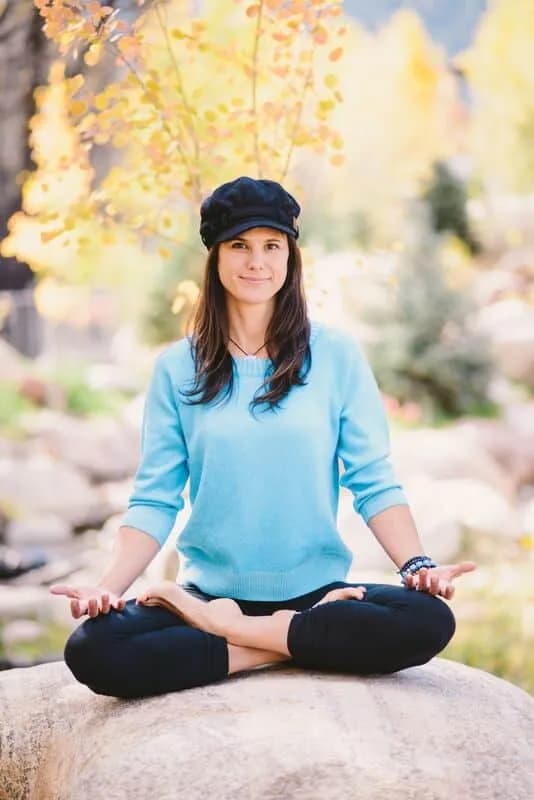
The article also touches on the practical side of maintaining this inner state. It acknowledges that everyone inevitably gets stuck in the shadows, in those darker places of doubt or frustration. The key, the author suggests, is not to run or hide from that darkness, but to feel it and then develop the skill to turn back toward the light. This turning can be metaphorical, such as reframing difficult situations or allowing for forgiveness and mercy even when it is hard. But it can also be literal. The author describes physically turning toward the sun outside, letting the rays penetrate, using the consistency and warmth of the sun as a reminder of the gift of life. Similarly, lighting a candle and sitting in silence, hand on heart, creates a small hearth in the chest, a place of homecoming.
These practices, silence, reflection, time in nature, being with friends, family, and community - are framed as the ways to reconnect with that inner light. The author shares a personal anecdote about spending a birthday week at a historic lighthouse looking out over the Mediterranean Sea. Watching the sunrise and sunset, the rising and setting of the moon and sun, created a sense of awe at the interplay of these powerful energies. It placed the author in a space of "in between," neither young nor old, but simply "is." It was a reminder that the grounding energy of rocks and the warmth of the morning sun offer a kind of free therapy, a profound simplicity that helps us remember who we are.
For folks around here, living on the Western Slope, this message resonates with the landscape itself. We are surrounded by natural reminders of that light; the way the sun hits the snowfields in the morning, the silence of a forest trail, the vastness of the sky at night. It is easy to take these things for granted, to rush through our days without pausing to feel the warmth on our faces or to listen to the wind. But the article invites us to slow down, to sit next to a tree or a stream, to share our troubles or just listen for guidance. When we find those sources of light and feed them, they feed us in return.
There is a warmth to this perspective that feels necessary in times when division seems to rule. It doesn’t ignore the rough edges of life, the pain and the misunderstandings, but it refuses to let them be the final word. It suggests that if we look closely, if we really try to see past the surface, we might recognize that same light in the person across the table, in the neighbor on the street, in the stranger on the bus. And in that recognition, perhaps, we can begin to lead with love, not as a grand gesture, but as a quiet, daily practice of seeing and being seen.
The piece ends with a simple, powerful image: hand on heart. Silence. Reflection. It is a reminder that we are home. Not in a building, not in a place, but in ourselves. And in that home, there is a light. It is waiting to be remembered. It is waiting to be shared. It is waiting to be the light we wish to see.
Keep up with Aspen
The day's Western Slope news, one email each morning. Free.