Aspen Times Reporter Katherine Roberts Turns Summer Heat Into Quick Pickling
Aspen Times reporter Katherine Roberts swaps the oven for the fridge, transforming a CSA haul of pickling cucumbers into fresh, customizable quick dill pickles with a simple jar method.
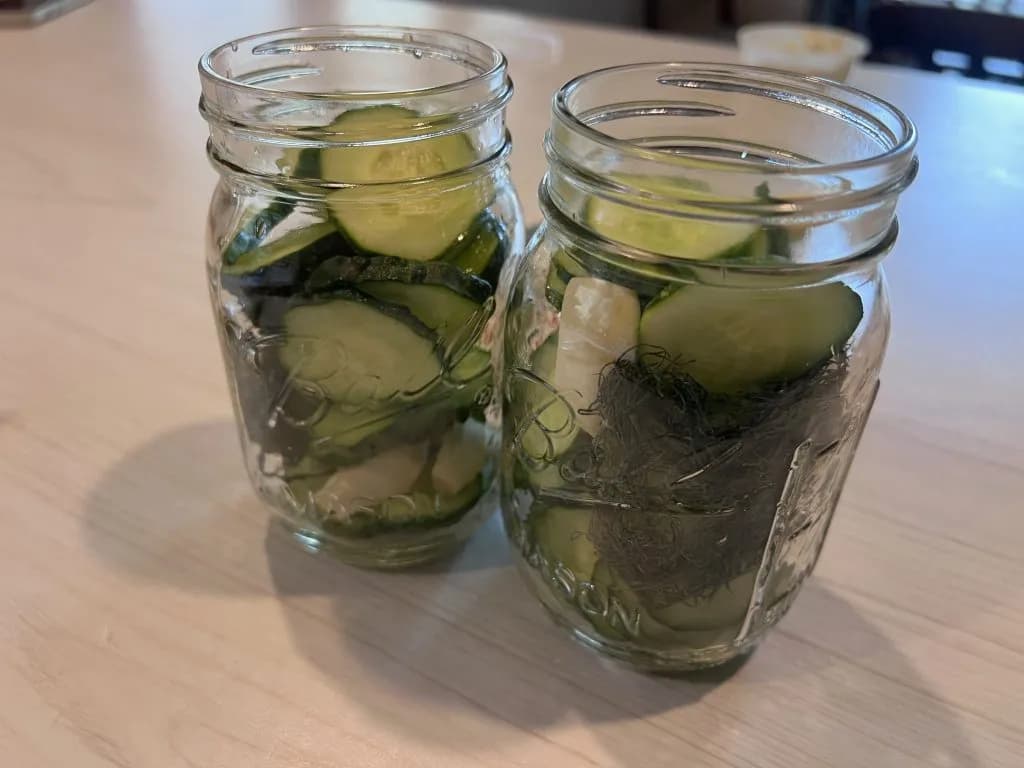
Aspen —The heat on the Western Slope isn’t just sitting on you; it’s pressing down, turning the asphalt on U.S. Highway 6 into a shimmering mirage and making the decision to turn on the oven feel like a personal betrayal. Inside homes across the valley, neighbors are abandoning the stove in favor of the fridge, their culinary efforts shrinking to cold salads and, increasingly, to the quiet, briny satisfaction of pickling.
It’s a seasonal pivot that Katherine Roberts, writing for the Aspen Times, has tracked closely. She notes that while the region needs the moisture, the "dog days of summer" have pushed her to limit cooking to "easy recipes with big payoffs." The result is a shift toward "snacky-type things" that don’t require heating up the kitchen, a trend that has naturally led her to embrace quick pickling.
"To that end, I’ve always been intrigued by the idea of pickling," Roberts wrote. "While I haven’t explored the full-blown, sterilize-the-jar-to-store-things-through-the-winter project, I’ve thrown sad vegetables into my store-bought pickle brine before and made a few quick pickled red onions over the years with some success."
The catalyst for her upgrade wasn’t a fancy culinary school diploma, but a CSA box. When a "big ol’ bunch of pickling cucumbers" arrived, she decided it was time to stop relying on store-bought shortcuts. She turned to a New York Times Cooking recipe for "Quick dill pickles," drawn by the promise that the word "quick" was literally in the title.
The process, as she describes it, is less about industrial preservation and more about immediate gratification. It involves packing a quart-sized glass jar with Kirby cucumbers, fresh dill, and garlic, then pouring a hot brine of vinegar, sugar, and salt over them. The jars seal, sit at room temperature for thirty minutes, and then go into the fridge. You can eat them in four hours, or wait three days for the flavor to mature. They last a month.
Roberts didn’t just follow the recipe blindly; she adapted it to her own tastes, doubling the aromatics — "the dill, garlic, coriander, mustard and peppercorns … because I’m wild like that." She experimented with cuts, trying whole pickles, spears, and chips, finding that "every cut turned out great." She even shook the jar periodically to distribute the brine, admitting, "I have no idea if this had an impact, but it was fun to do."
The underlying philosophy here is one of control. Roberts has a "long-standing stance" that she refuses to buy salad dressing, preferring to make it from scratch because it’s "fast, easy to make at home and always turns out 1,000 times better than the junk in the jar." She expects the same to be true for pickles.
"I believe I’ll adopt a similar attitude to store-bought pickles after this experiment," she said, noting that she made two different batches to test the waters.
For locals watching their grocery bills and looking for ways to use up the summer’s abundance, this approach offers a practical alternative to canning. It doesn’t require a water bath or complex sterilization. It just requires a jar, some cucumbers, and the patience to wait out the heat.
The math holds up: you get a product that is fresher, more customizable, and likely cheaper than the jarred alternative, all while keeping the kitchen cool. It’s a small rebellion against the heat, one jar at a time.
Keep up with Aspen
The day's Western Slope news, one email each morning. Free.