Aspen Watch Boutique Owner Explains Why National Brands Fail
Oliver Smith’s Elizabeth Hrubala explains why national retailers struggle in Aspen, noting that local trust and consistent presence matter more than digital algorithms for luxury goods sales.
Aspen —The wind off the Maroon Bells cuts through the downtown corridor, sharp and cold. You can smell the pine boughs still clinging to some storefronts and hear the distant thud of skis on the pavement. It’s a specific kind of quiet that only exists when the crowds thin out, leaving just the locals and the people who decided to stay.
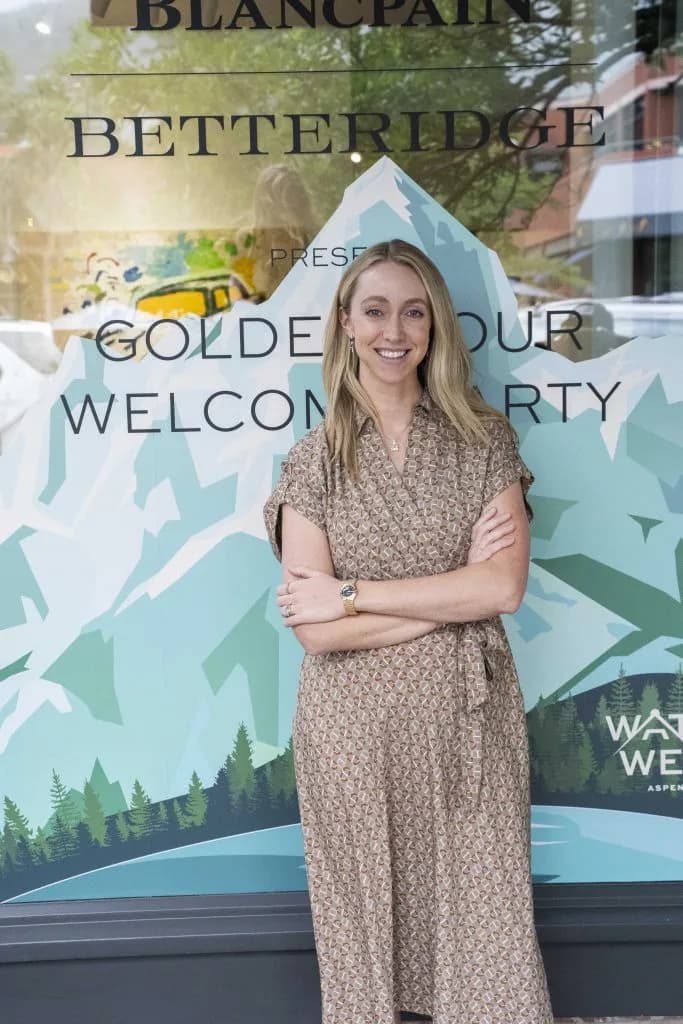
Elizabeth Smith Hrubala didn’t plan on staying. In 2018, she came to Aspen from San Francisco with her father, Oliver Smith. The goal was simple: unlimited vacation time and a ski trip. Then they sat upstairs at Jimmy’s. The weather was perfect. Oliver looked over the mountain and asked if she wanted to join the family business. She said yes. Four weeks later, she had moved her life from tech in California to a watch and jewelry boutique on the Western Slope.
The Aspen Times reported on her transition, highlighting a stark reality for anyone trying to do business in this valley. It’s not about opening a store. It’s about becoming part of the town.
Hrubala notes that national brands often misunderstand Aspen. They arrive thinking it’s a gold mine. They think they will "kill it." Some last only six months. The short version: you don’t get to be a tourist in retail here. You have to be constantly creative, adjusting inventory to what people are actually looking for, not what a national algorithm suggests.
The 2020 lockdown changed the game. Hrubala says they expected disaster. Instead, they had a "gangbuster summer." Luxury goods performed well. Pre-owned watch prices climbed on a wave of scarcity. People started viewing watches as investments. That shift brought a new kind of customer into the shop and altered how Hrubala runs the business.
The Aspen customer is well-shopped. They travel. They have access to luxury retail in Denver, New York, and London. So why come here? Hrubala argues it’s about the experience. Aspen has a small-town feeling that big cities lack. People return for the same ski week every year because they want to see the same people. They want to feel like a local, even if they only visit twice a year.
Consistency is the key factor. You have to be here long enough for regulars to start saying, "We need to stop by Oliver Smith. Let’s see what they have." That trust is built in person, over years of interaction, not through digital marketing campaigns.
Hrubala grew up in Scottsdale, Arizona, but she wasn’t officially part of the business until 2018. As a child, her role was head gift wrapper. At Christmas, salespeople brought her everything they sold to wrap. Otherwise, she was in tech. The jump from a corporate career to a family-run boutique on the mountain required a different skill set. It’s less about data and more about reading the room, knowing who is in town, and understanding that a customer’s time is finite.
The landscape here rewards those who put in the time. It punishes those who treat it as a pop-up opportunity. The wind is still blowing off the mountain, and the stores are open. For Hrubala, that’s enough.
Keep up with Aspen
The day's Western Slope news, one email each morning. Free.