Aspen Writer Explores Brutal Reality Behind Wine Harvest Romance
Aspen Times writer Linda Hayes contrasts the romantic allure of the wine harvest with the grueling physical labor required to pick grapes on steep, high-altitude slopes.
Aspen —The air in the valley floor is already thick with the scent of crushed skins and damp earth, a smell that clings to your clothes long after you’ve left the vineyard. It is early September, and the light hits the rows of vines differently now — lower, harder, casting long shadows that stretch across the dust. For those who have spent the last eight months watching buds swell, leaves unfurl, and fruit set, this is the moment the year holds its breath.
Aspen Times writer Linda Hayes captures that specific tension in her column, "WineInk: The romance of the harvest." She reminds us that this season is a double-edged sword. On one side, there is the pure joy of seeing the fruits of labor — literally tasting them as they are pressed and fermented. It is the culmination of a spring that began with hope and a summer that demanded perseverance. But on the other side, there is the brutal reality of the work itself.
If you have ever stood in a wine region during harvest, you know that the romantic festivals and the tourists sipping fresh berries are just the surface. Beneath that polish lies a grueling schedule dictated by nature, not by human convenience. The fruit does not wait for a convenient afternoon; it waits for the pre-dawn cold, and then it demands to be picked before the heat of the afternoon sets in.
Hayes writes about the monotony that creeps in once the initial excitement of the "first pick" fades. The weeks roll by, and the back-to-back days of heavy labor turn the joy into drudgery. She draws a sharp line between the flat, manageable fields of valley floors and the steep, terrifying slopes found in mountain regions like Germany or Austria. For folks around here, she offers a local comparison that hits close to home: imagine harvesting grapes in the “Go-Go Gully” on Highlands. If you know that narrow, steep stretch of road, you understand the physical challenge she is describing. The vines in those high-altitude pockets face a pitch that can exceed 40 degrees, making the work back-breaking in a way that flatland farming rarely is.
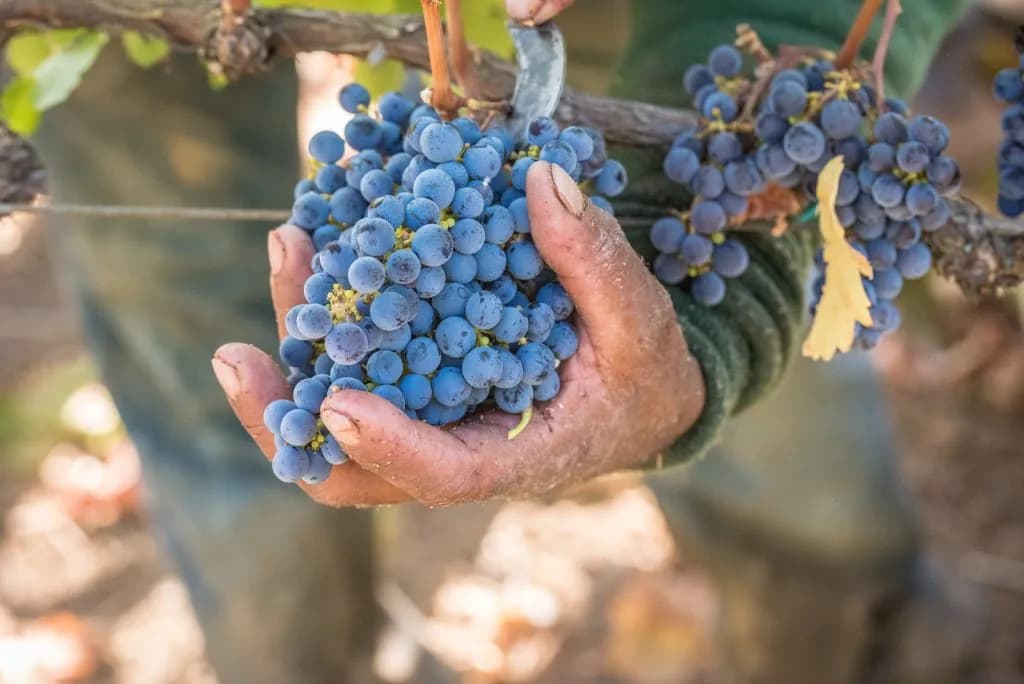
There is a rhythm to it, though. Hayes describes the skill of the hand pickers who move through the rows, their sharp knives clipping clusters with a practiced alacrity. They drop the fruit into bins, gondolas, as they are called in the trade - so it can be quickly transported to trucks and carted off to wineries. Even though almost 90% of wine grapes are now harvested by machine, that remaining percentage is substantial. It is the work that requires a human hand, a human eye to judge ripeness, and a human body to endure the cold mornings and hot afternoons.
As this part of the planet tilts further from the sun, the days will grow shorter. The hope flowing through the region is that this will be an epic year for both quality and business. But for the workers in the fields, it is simply a matter of survival against the clock. The romance is real, but so is the ache in your lower back at 4 p.m.
You can feel it when you drive past a working vineyard on a Tuesday morning. The trucks are idling, the workers are bent over in unison, and the silence of the valley is broken only by the mechanical hum of harvesters or the quiet rustle of leaves. It is a scene that will repeat itself for weeks, relentless and unyielding, until the last cluster is pulled from the vine.
Keep up with Aspen
The day's Western Slope news, one email each morning. Free.