Aspen's 41% Vacancy Rate Highlights Western Slope Housing Fracture
A new Regional Housing Needs Assessment reveals a stark disparity in the Western Slope housing market, with Pitkin County's 41% vacancy rate contrasting sharply with Garfield County's 8%, signaling that high exclusion, not just high availability, defines Aspen's housing landscape.
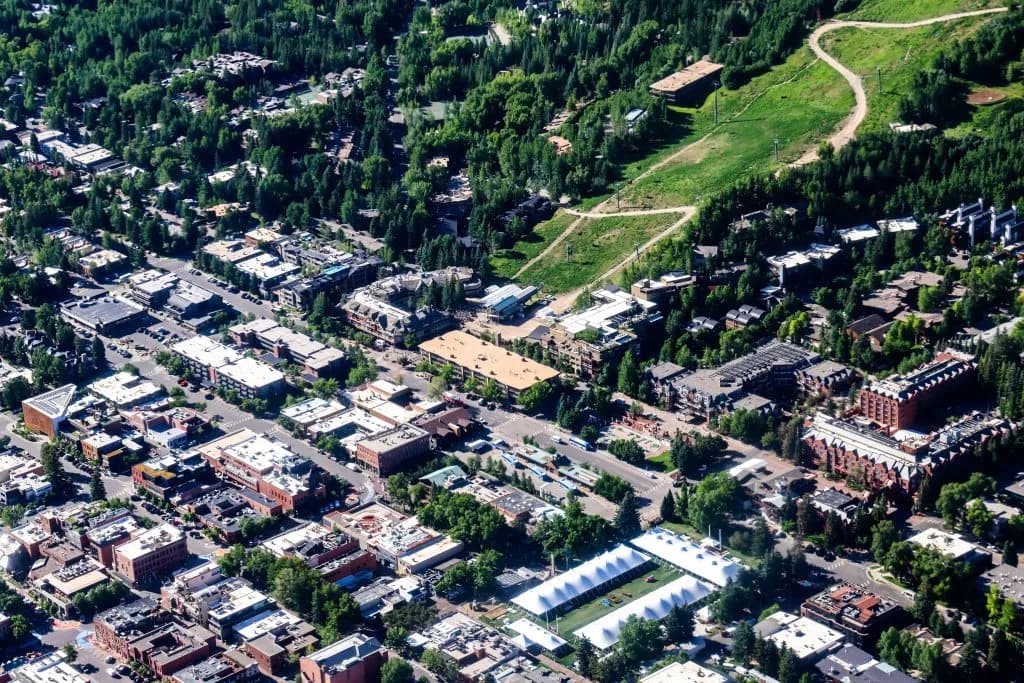
Gunnison —The fog clings to the valley floor in the pre-dawn hours, thick and cold, obscuring the base of the Elk Mountains. In Aspen, you might drive past a row of pristine, unlit houses and assume they’re empty because the owners are skiing in the Alps. In Parachute, you drive past similar structures and assume they’re waiting for a family to finally move in.
That assumption is exactly what’s wrong.
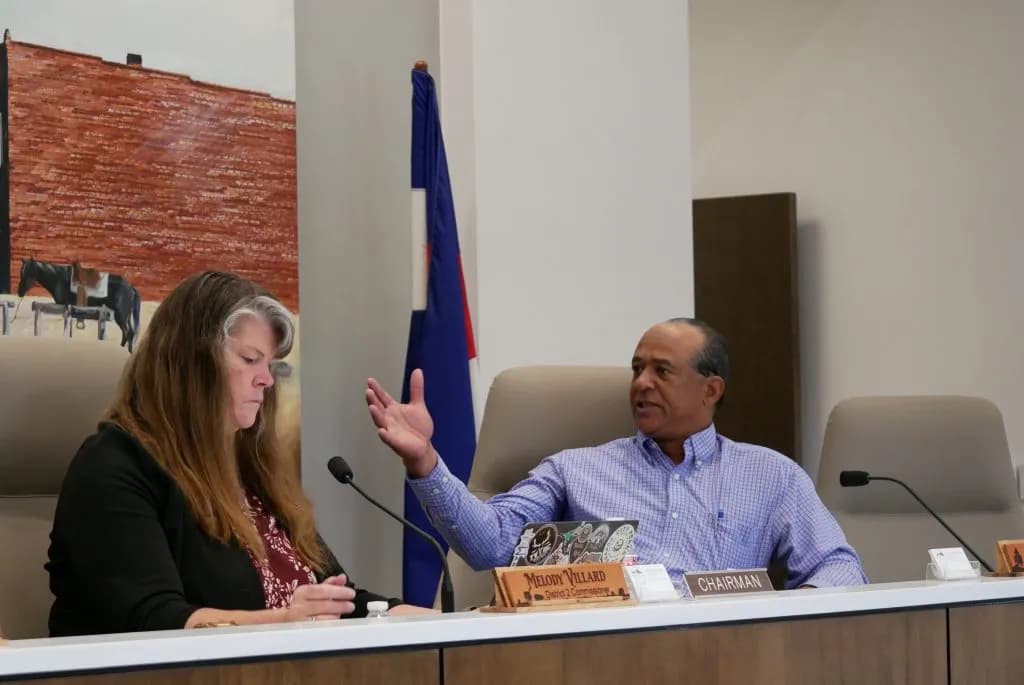
A new report on the Regional Housing Needs Assessment for the Roaring Fork and Colorado River valleys just dropped, and it paints a stark picture of how the Western Slope’s housing market is fracturing along geographic lines. Presented during a joint meeting between the Aspen City Council and the Pitkin County Board of County Commissioners last week, the data reveals that Pitkin County’s vacancy rates are not just higher than Garfield County’s — they are astronomically so.
Here’s the thing though: high vacancy doesn’t always mean high availability. It often means high exclusion.
According to the report, vacancy rates in Pitkin County sit at a staggering 41%, compared to just 8% in Garfield County. These aren’t new numbers; the disparity has been widening steadily since 2010. The report, produced by the Denver-based land economics consulting firm EPS, suggests this massive gap points directly to an influx of non-primary homes — second, third, or fourth homes, that sit unoccupied for much of the year. Meanwhile, Garfield County’s population is growing, while Pitkin’s remains steady.
“It is pretty much impossible, if you work locally, to afford a home locally,” said Rachel Shindman of EPS, who presented the findings. “There is nowhere in the region where the median price of a single-family home is less than $1.5 million and a townhome is less than $1.25 million.”
That’s the headline number. But the real story is in the context. When you combine those sky-high prices with the fact that mid- and down-valley towns have a significantly larger proportion of family households compared to Aspen, the trend becomes undeniable: working families are being priced out of the up-valley and pushed toward the valley floor.
The report was the first step in a larger process mandated by state legislation, SB 24-174, which requires local governments to complete housing assessments by the end of 2026. Liz Axberg, a housing policy analyst for the city of Aspen, noted that this document is the final piece before submitting feedback to the state. It’s designed to support applications for the state affordable housing fund (Proposition 123) and to force local governments to collaborate on a problem that doesn’t respect county lines.
“Everyone from Aspen to Parachute was involved, because we know that housing here really is a regional challenge and will require regional solutions,” Shindman added.
There are some silver linings, if you know where to look. The assessment found nearly 4,500 units of affordable housing in the region. But here’s the catch: over 90% of those units are in Pitkin County, and 65% of those are concentrated in Aspen proper. So, while the up-valley has the inventory, it’s not necessarily accessible to the people who work the rest of the valley.
The report also included data from a small section of Eagle County around Basalt, ensuring the picture wasn’t just focused on the two main counties. The goal is to build a regional collaboration that acknowledges the imbalance. If Pitkin County is hoarding its housing stock as second homes, and Garfield County is absorbing the displaced families, the pressure on infrastructure, schools, and roads in Garfield will only intensify.
Not exactly a sustainable model for a region that prides itself on community.
As the meeting wrapped up, the focus shifted from data to action. The report isn’t just a historical record; it’s a tool for securing state funding. But until those 41% of vacant homes in Pitkin County are converted into primary residences or the prices drop to a level where a local teacher or nurse can buy a townhome, the divide will only widen. The fog might lift in the morning, but the economic stratification it hides is becoming permanent.
Keep up with Gunnison
The day's Western Slope news, one email each morning. Free.
Aspen Housing Authority Seeks $590K Office Upgrade Amid Cramped Conditions
Vail Secures Water Rights for 37-Unit Montelisse Condo Project