Leadville Reroutes Historic 100 Races to Dodge Willow Fire
Leadville rewrites its race history by charting new routes for the Trail 100 Run and mountain bike races to avoid the Willow fire, protecting local tourism revenue.
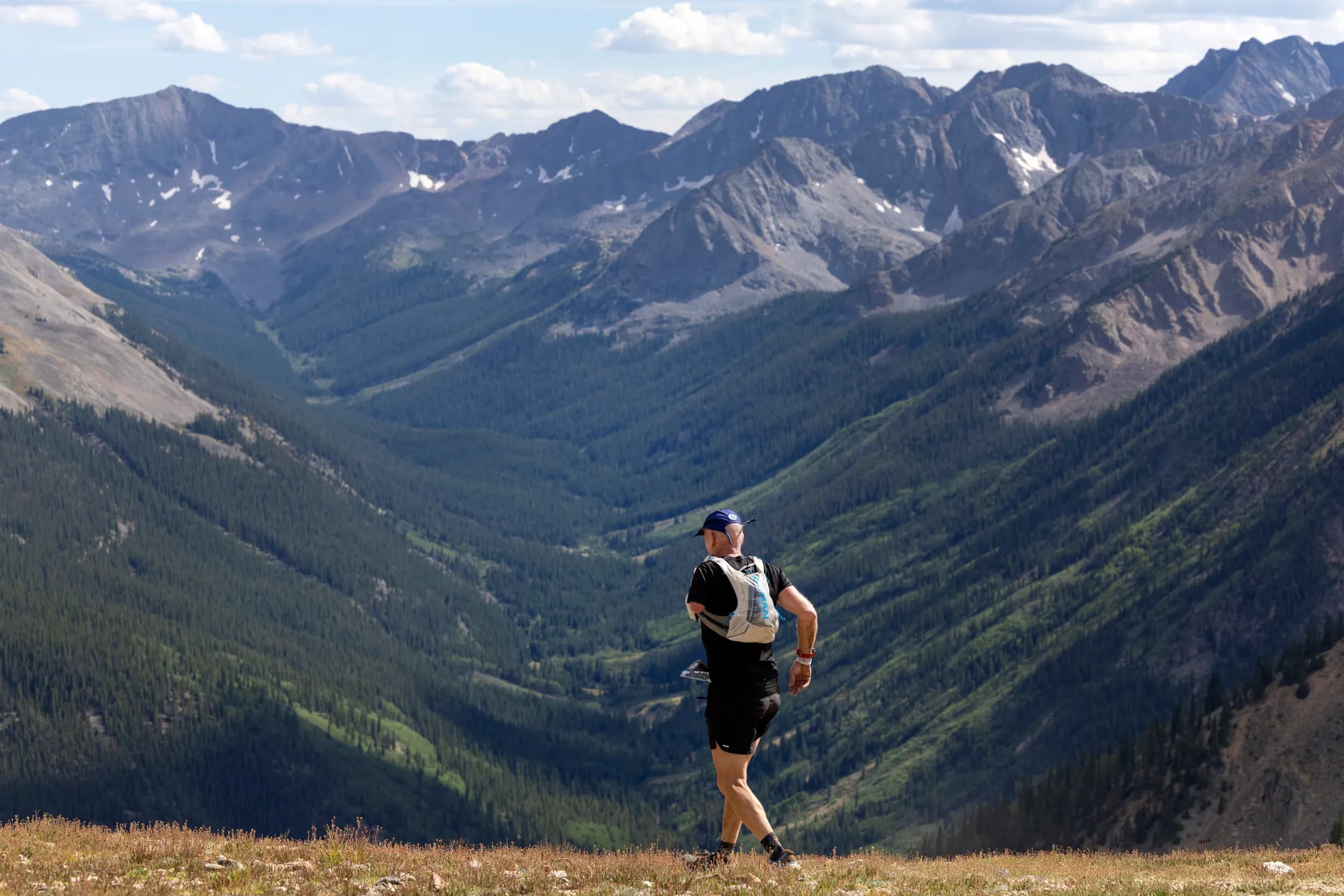
Gunnison —The wind off Mount Elbert doesn’t just bite; it steals your breath before you’ve even taken a step. At 12,532 feet, the air is thin enough that a simple walk up a steep grade feels like hauling gravel up a mountain. It’s a place where the sky turns a violent, bruised purple at dusk and the silence is so heavy it feels like pressure against the eardrums.
But this year, the silence is broken by the low, constant thrum of helicopters and the crackle of radio chatter from the Willow fire, which has been chewing through the forest just west of Leadville. For the first time in the race’s 43-year history, the iconic Leadville 100 endurance events — both the run and the mountain bike race — will not cross the peaks west of town. Instead, organizers are charting entirely new routes to skirt the fire zone, a logistical scramble that marks a significant departure from the tradition that has defined the event since 1983.
LifeTime, the organization behind the races, has been working closely with local firefighters, the Forest Service, and county leadership to ensure the August events can go on. The stakes are higher than just athletic glory. The race was born from economic desperation. When the Climax Molybdenum Mine shut down in 1983, it left more than 3,200 miners jobless in a town of just 5,000 people. Leadville suddenly held the title of the top city in the nation for unemployment. Ken Chlouber and Merilee Maupin launched the Leadville Trail 100 Run as a way to float the local economy, and it worked. Today, the event draws some of the world’s best long-haul athletes from every state and three dozen countries, turning the high country into a global stage.
Lake County Sheriff Heath Speckman sees the parallel clearly. He views the current wildfire crisis not just as an environmental threat, but as a potential repeat of that 1983 economic shock.
“This is not just a big deal for the people of Leadville and Colorado, but it has aspirations for a lot of people around the globe,” Speckman said. “This resembles the race when it started in the 1980s when the mine shut down. We worked hard to bring it back. Safety, of course, is our number one priority but a close second is the livelihood of our community and our businesses.”
The economic impact is already being felt. In early July, as the Willow fire expanded to within six miles of Leadville, organizers cancelled the Silver Rush 50 MTB race. It was a blow to the community during its busiest month. Tourism traffic and spending in Leadville dropped more than 30% in July, according to reports. A 2012 study by Colorado Mountain College estimated the Leadville 100 race series, including stage races and training camps - contributes significantly to the local economy, though the exact figure was cut off in the reporting, the sentiment remains clear: this event anchors the summer season.
Now, with the run hosting up to 800 runners and the mountain bike race drawing as many as 2,000 cyclists, the pressure is on. The revised paths will avoid the heavy smoke and fire activity west of town, but they still need to deliver the lung-searing vertical climb that defines the brand. Organizers have been working around the clock to map routes that are safe for athletes but also accessible for the thousands of spectators and support crews that descend on the town.
The part everyone skips past is the sheer scale of the operation. Moving a race of this magnitude isn’t just about drawing a line on a map. It’s about rerouting traffic, securing permits, and ensuring that the firefighters battling the Willow fire aren’t competing with thousands of cyclists for road space. It’s about making sure the local businesses that rely on the influx of visitors don’t see another July slump.
Stand there long enough and you can feel the tension between tradition and necessity. The old courses were carved into the peaks west of Leadville, a nod to the ruggedness of the terrain. But the fire has changed the landscape, both literally and economically. The race organizers aren’t just looking for a safe path; they’re looking for a lifeline.
Feinsinger wrote in the Post Independent that the decision to revise the courses was made last week, after weeks of negotiation with the fire incident management team. The goal is to keep the races on schedule for August, but the margin for error is razor-thin. If the wind shifts, if the fire jumps a ridge, if the smoke thickens, the modified trails might not be enough.
For now, the runners are training on the new routes. They’re testing the climbs, checking the descents, and preparing for a race that feels familiar yet entirely different. The peaks are still there, looming over the valley, but the path to them has changed. And that matters because it shows how quickly a community can adapt when its livelihood depends on it.
The sun sets over Leadville, casting long shadows across the streets. The air is cooler now, carrying the faint scent of pine and smoke. Somewhere in the distance, a helicopter thumps its way back to base, carrying water or firefighters, depending on the hour. The race is still on, but it’s a different race now. And the locals are watching, waiting to see if the new courses will hold.
Keep up with Gunnison
The day's Western Slope news, one email each morning. Free.


Leadville Clears Final Hurdle for Summer Mountain Bike Series

Pitkin County Weighs Prince Creek Road Widening to Boost Cyclist Safety
