Aspen Transit Committee Approves Budget With $1.6 Million Deficit
Aspen's Elected Officials Transportation Committee unanimously approved a 2027 budget projecting a $1.6 million deficit, funding a $1.7 million pedestrian trail and airport shuttle subsidies.
Gunnison —The Elected Officials Transportation Committee approved a 2027 budget that projects a $1.6 million deficit.
That is the headline number. For a committee established in 1993 to advise on public transit, a deficit is rare. Regional Transportation Director Linda DuPriest told the committee Thursday that they typically run a surplus. This year, they do not.
The Aspen Times reported the committee unanimously passed the spending plan after a nearly six-month hiatus. The numbers are stark: $3.8 million in projected revenue against $5.4 million in expenditures. The total fund balance will drop from roughly $20.6 million in 2026 to about $19 million in 2027.
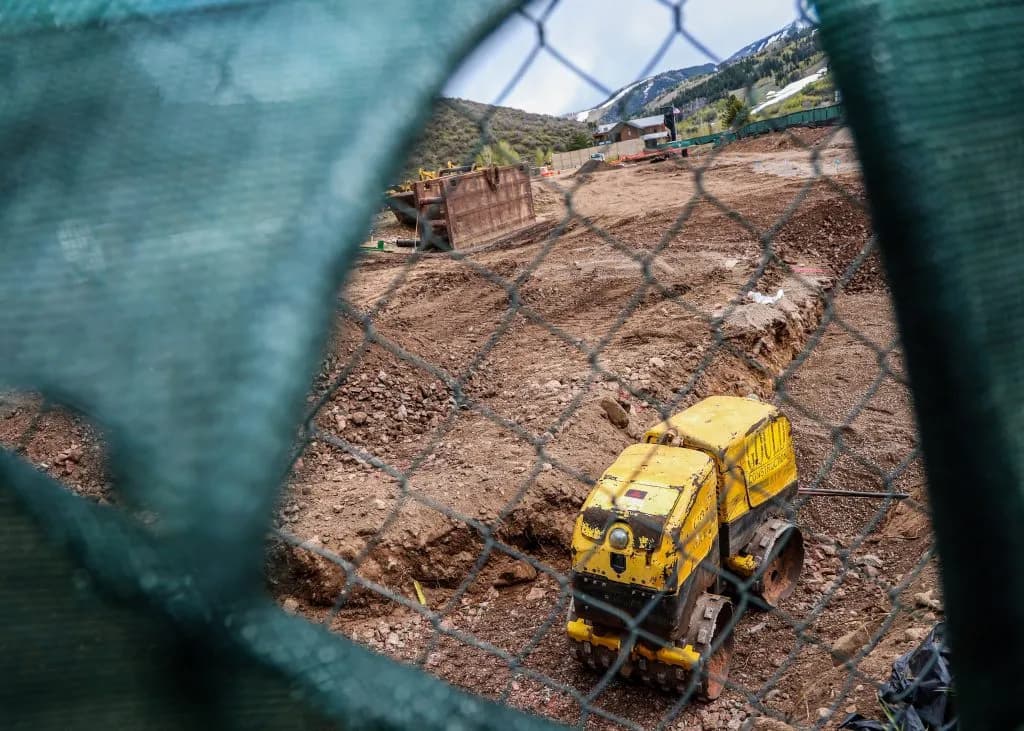
The biggest driver of the spending is a pedestrian trail, not a bus line. The Truscott to Owl Creek Trail project will cost $1.7 million. It connects a pedestrian underpass to the Owl Creek Trial, giving hikers and walkers an alternative to crossing Highway 82. Aspen’s Open Space and Trails staff applied for a federal grant that would cover 75% of the cost. Even with that match, locals still shoulder $1.7 million. Award notifications are due by the end of the year or early 2027.
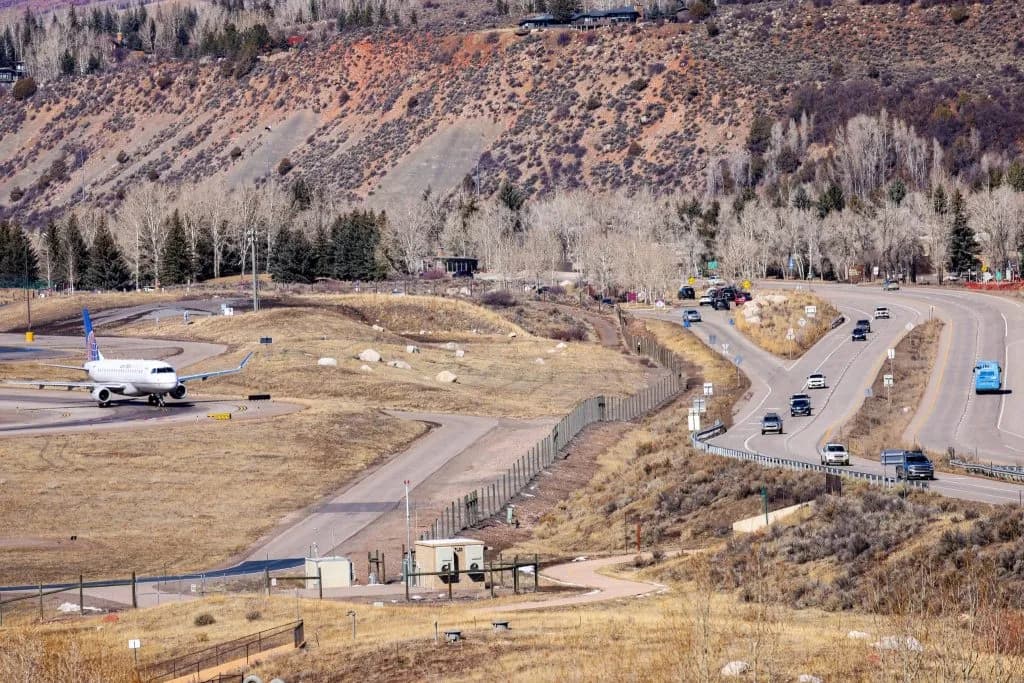
The second major line item is a $300,000 contribution to fund airport shuttles. This money covers half of a $600,000 subsidy requested by Fly Aspen Snowmass. The other partners include Aspen One, the Aspen Chamber Resort Association, and Snowmass.
This subsidy is a direct response to the upcoming closure of the Aspen/Pitkin County Airport. Flyers will be diverted to Eagle, which is already expecting a 130% increase in weekly flights in summer 2027 compared to 2026.
Bill Tomcich, a consultant for Fly Aspen Snowmass, said Basalt-based WildPath Transportation won the subsidy after an RFQ process. The company proposes about six daily trips with stops in Glenwood Springs, Basalt, and the Brush Creek Park and Ride.
The price tag matters here. Without the subsidy, Tomcich said the fare would start at around $115 each way. With the EOTC money, fares drop to $69 each way. The goal is to get cars off the road during a period when regional traffic will spike.
Pitkin County Commissioner Greg Poschman asked if giving the contract to one company discourages competition. Tomcich argued that an eight-month closure is a unique situation. It is too short for a new operator to establish a foothold in the market.
"This is going to be a tough business for any one entity to get a go of it for just an eight-month period," Tomcich said.
The committee also debated an updated valley transportation plan, but the budget details for that item were less clear in the initial report. The EOTC is made up of elected officials from Aspen, Snowmass, and Pitkin County. Their revenue comes from a voter-approved transit sales tax, a construction use tax, intergovernmental contributions, and interest income.
The deficit is real. The airport closure is coming. The trail will cost nearly $2 million to locals, even with federal help.
The committee met after a long pause. The budget they passed funds the immediate crisis of the airport shutdown and the long-term need for safer pedestrian routes. The money is coming from your pocket, via sales tax and construction fees.
The next question is whether the $19 million remaining fund balance can absorb further shocks in 2027.
Keep up with Gunnison
The day's Western Slope news, one email each morning. Free.

Buena Vista SAR Volunteer Turns 30-Year Air Force Career Into Novels
Pitkin County Commissioner Candidates Split on Federal Land Management