Pitkin County Reviews Highway 82 Access Plan Amid Lumberyard Growth
Pitkin County commissioners reviewed the Highway 82 Access Control Plan Tuesday, addressing traffic concerns driven by the Lumberyard and airport developments.
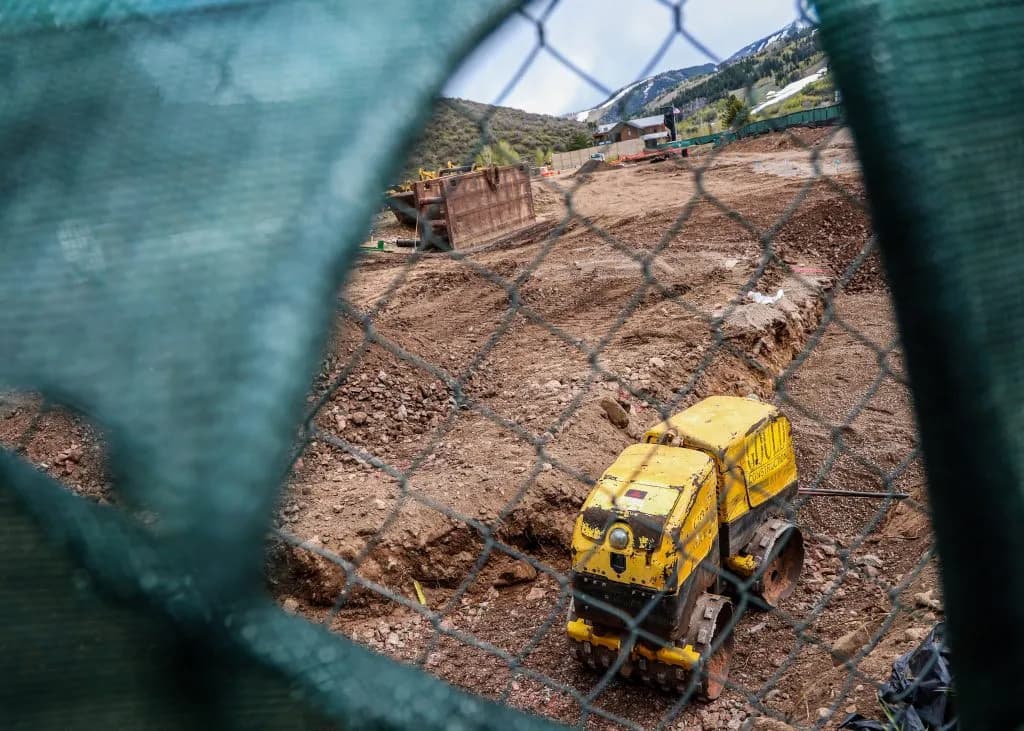
Gunnison —The asphalt of Highway 82 shimmers under the midday sun, a ribbon of blacktop cutting through the high desert. To the left, the Maroon Creek Bridge arcs over the water; to the right, the landscape opens up into a vast, dry expanse. It’s a stretch of road that has been the subject of intense scrutiny for over a decade, and on Tuesday, that scrutiny turned into a formal review.
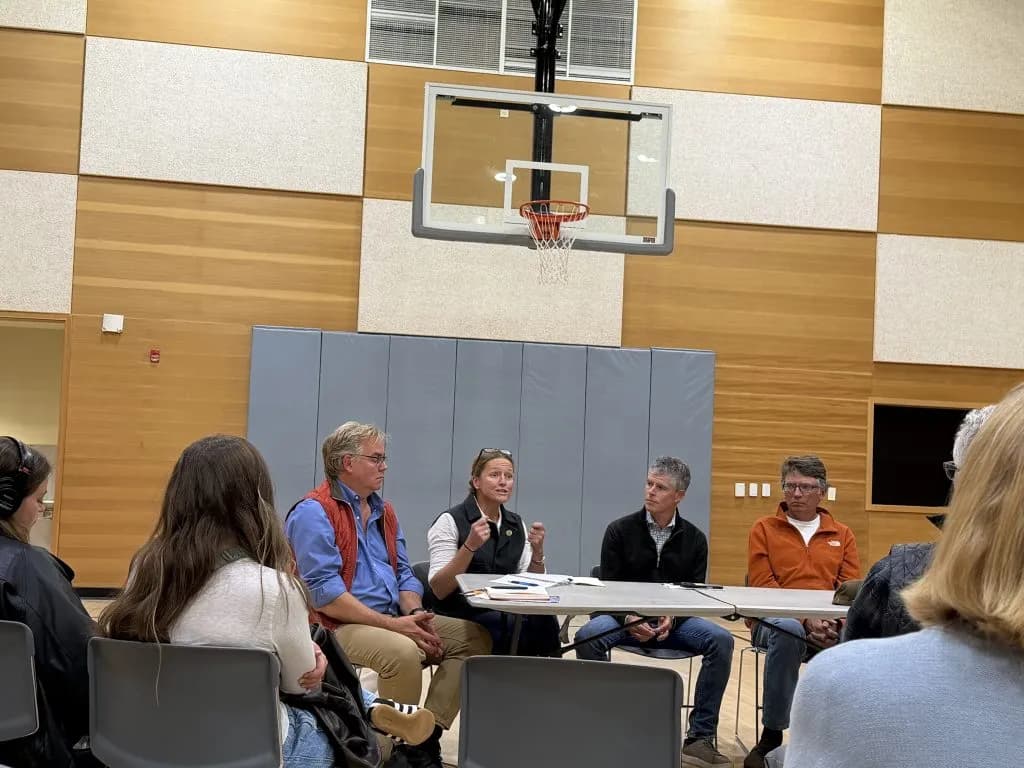
Pitkin County’s Board of County Commissioners sat down to discuss the Access Control Plan, a regulatory framework that has governed entry and exit points on Highway 82 between Smith Way and the Maroon Creek Bridge since 2012. The conversation was sparked by two major upcoming developments: the Lumberyard and the Aspen/Pitkin County Airport.
Getting this plan on the books was a long haul. County Engineer Andrew Knapp noted to the board that it took the longest time out of any access code in the state, potentially, to get finalized. The concept was first envisioned in 2005 alongside the construction of the new Maroon Creek Bridge, but it wasn’t until 2012 that a partnership between the Colorado Department of Transportation (CDOT), the city of Aspen, and Pitkin County finally adopted it.
Brian Killian, Access Program Manager for CDOT Region 3, outlined the mechanics of the plan. He pointed to benefits like fewer delays, increased safety, and better fuel efficiency. But the plan is not static; it has three specific triggers for amendment. A redevelopment that increases traffic by 20% or more, a publicly funded project by the town, county, or state, or identified safety and operational issues.
Each amendment comes with a price tag. Killian stated that each would cost between $200,000 and $350,000 to process.
The board’s discussion focused on the immediate future of traffic flow. Upcoming projects have already triggered parts of the plan, including a new traffic signal at Mountain Rescue and a new frontage road connecting the Lumberyard to the Airport Business Center (ABC). The ABC is also closing a Right-In Right-Out access point.
Commissioner Patti Clapper voiced her skepticism about the capacity of existing infrastructure to handle new loads. “I have a hard time with the Airport Business Center having to absorb the traffic impacts from the Lumberyard,” she said. She expressed discomfort with what she foresaw for Baltic Avenue, the connector between the ABC and Highway 82.
Knapp pushed back on the idea that the new Lumberyard signal would worsen things, arguing it actually helps. “If you don’t do a traffic signal at the Lumberyard, then that traffic signal at the ABC would be getting even more traffic for the folks who want to go up valley,” he said. He maintained that the Lumberyard signal provides a significant benefit to the ABC by managing flow before it reaches the business center.
Commissioner Francie Jacober pointed to traffic backups that are already occurring during peak times, a reality locals know well. The Aspen/Pitkin County Airport is currently undertaking its own traffic study to determine if the terminal redevelopment will trigger further amendments.
The plan is a partnership, but the friction between development and infrastructure is becoming visible. As the Lumberyard moves toward capacity and the airport terminal undergoes changes, the cost of those amendments will fall on the public. The board is listening, but the road ahead looks congested.
Outside the council chamber, the wind picks up off the plain, kicking dust against the windows. The highway remains a constant presence in the valley’s daily life, an artery that connects us all and, increasingly, a source of contention.
Keep up with Gunnison
The day's Western Slope news, one email each morning. Free.