Beaver Creek Adds Second Women’s Downhill to Record Seven-Race 2026 Festival
Organizers confirm the 2026 Birds of Prey World Cup will feature a record seven races, including a new second women’s downhill, expanding the festival to two weekends and impacting local traffic and logistics.

Aspen —“Seven World Cup races across two weekends is a reflection of how far this festival has come and where it’s headed.”
Sarah Franke didn’t mince words. The Senior Vice President of Operations for the Vail Valley Foundation just confirmed what locals have suspected for months: the 2026 Birds of Prey World Cup is getting bigger. Much bigger.
Organizers announced last week that a second women’s downhill race is officially added to the December 3-13 schedule. That changes everything. The women’s weekend now features three events — two downhills and a super-G. Add that to the four men’s races the previous weekend, and you have a seven-race festival.
That is the largest event in history.
Make no mistake. This isn’t just a tweak to the schedule. It’s a structural shift. Since the course made its World Cup debut in 1997, no previous festival has hosted this many races. The 2024 event marked the first time women raced on the downhill track. This 2026 expansion builds directly on that momentum. It’s not an experiment anymore. It’s the standard.
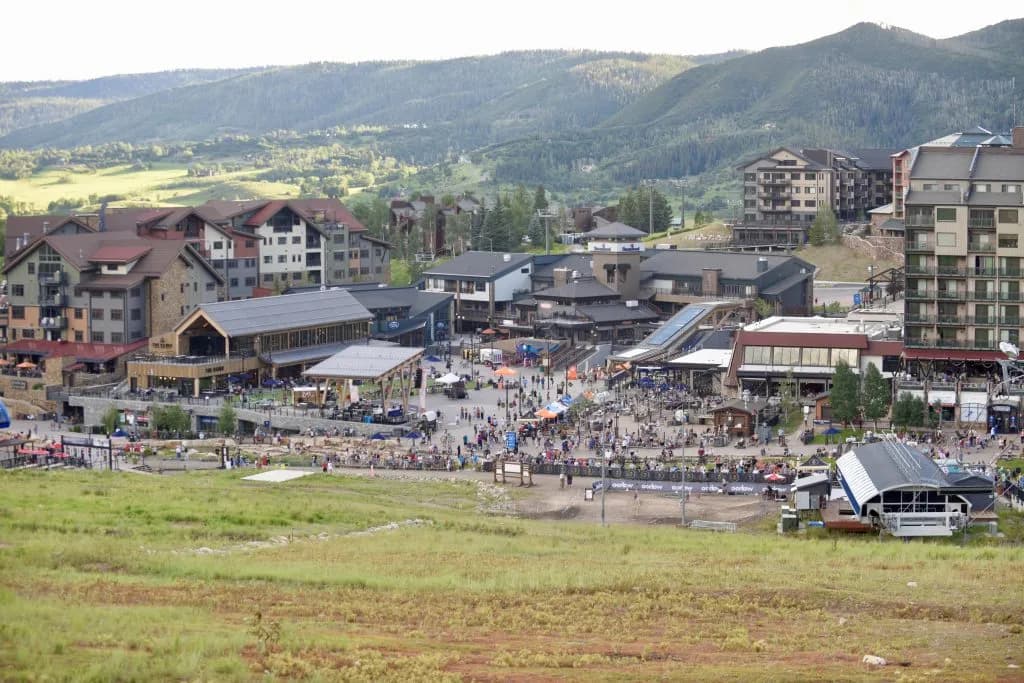
Bobby Murphy, COO of Beaver Creek, called it an “incredibly exciting moment.” He noted the addition reflects the growth of the sport and a commitment to elevating women’s racing. He’s right. But look closer at the logistics. Seven races. Two weekends. All centered at John and Karen Arnold Red Tail Stadium.
The venue is the same. The course is the same. The pressure is just higher.
For the folks living in Beaver Creek and Vail, this means more traffic. More noise. More congestion on I-70 during the first week of December. The festival runs back-to-back weekends, meaning the valley will be packed for 14 straight days. If you commute to work in the valley, you already know the drill. Now, you’re doing it twice as hard.
General admission stays free. That’s the draw for the masses. You can still stand on the hill and watch the world’s fastest skiers navigate one of the most revered courses in the world without spending a dime. But if you want comfort, you’ll pay up. Premium VIP hospitality returns. Heated indoor spaces. Unlimited food and beverages. The best views.
The expansion also brings an extended lineup of activations in Beaver Creek Village. Free live music. Sponsor activations. Athlete autograph sessions. And the fan-favorite Beers of Prey. Tickets for the beer garden and VIP spots will go on sale closer to the event. Follow @bcworldcup on social media for updates. Or visit bcworldcup.com.
Franke thanked the community, partners, and volunteers. They’re essential. Without them, this scale is impossible. But volunteers don’t fix the traffic gridlock. They don’t lower your property taxes. They don’t make the roads wider.
The short version: The 2026 festival will be the biggest and most dynamic in history. It’s a milestone decades in the making, according to Franke. It’s a reflection of where the sport is headed, according to Murphy.
Read that again.
The addition of a second women’s downhill doesn’t just add a race. It adds complexity. It adds cost. It adds a layer of scrutiny that didn’t exist when the women’s debut happened in 2024. Two years ago, it was a debut. This year, it’s a mainstay. And next year? We’ll see if the infrastructure can handle the weight.
The course has held up for decades. But seven races in two weeks is a different beast. The snowmaking capacity. The crowd control. The media footprint. All of it scales up.
This is what happens when a local event becomes a global spectacle. You get bigger promises. You get bigger stakes. And you get neighbors wondering if the convenience of a world-class event is worth the daily grind of the congestion.
Murphy says he’s thrilled. Franke is proud. The athletes will race. The fans will watch. The rest of us will just have to deal with it.
Keep up with Aspen
The day's Western Slope news, one email each morning. Free.