Bert Claster Ripped Romper Room Teachers From Domestic Lives
Bert Claster’s Romper Room franchise required women to leave domestic lives for rigid Baltimore training, standardizing their performance into a national brand.
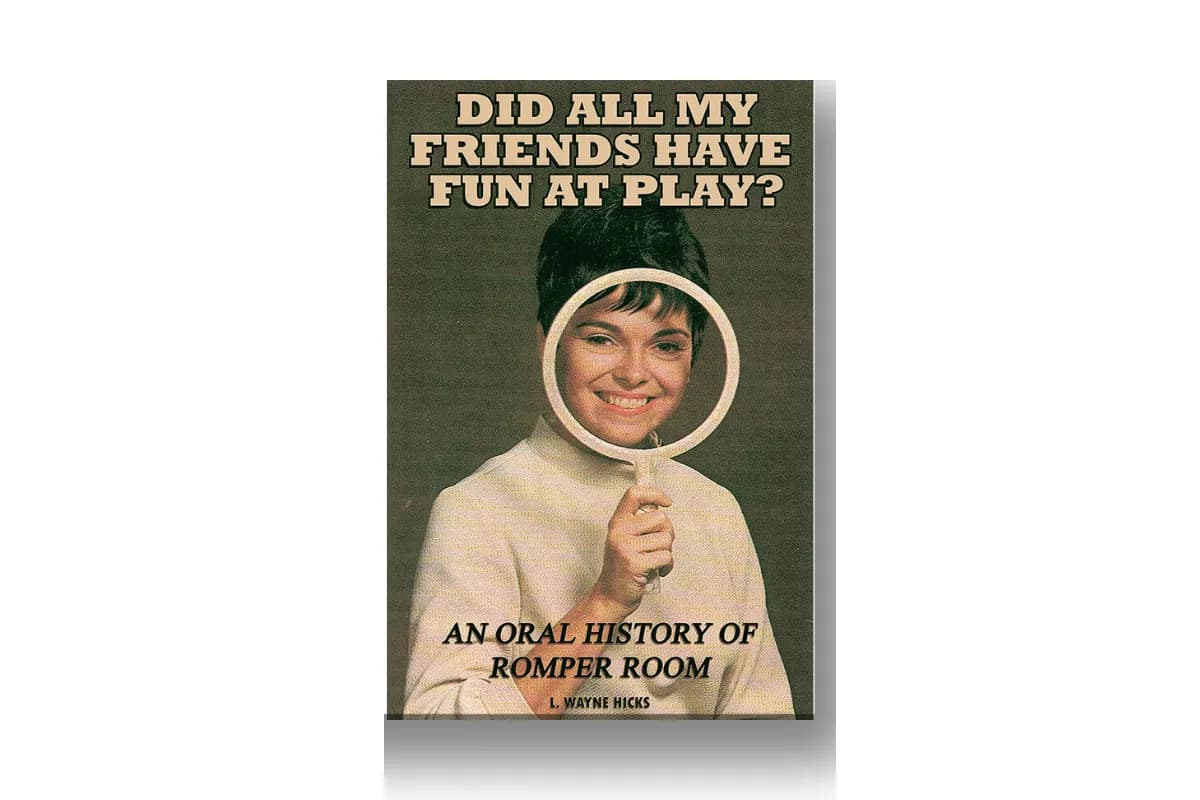
Bert Claster didn’t just create a TV show. He built a pipeline of young women, ripped them from their domestic lives, and shipped them to Baltimore for training before letting them touch a microphone.
The Colorado Sun reported on the oral history of more than 100 Romper Room teachers. The project, titled “Did All My Friends Have Fun at Play?,” draws its name from the question each teacher asked children at the end of every broadcast. It sounds innocent. A nostalgic romp, as the headline suggests. But look closer at the logistics.
Claster franchised Romper Room city by city. A local station bought the rights and hired a young woman to be the on-screen teacher. In return, Claster supplied props, guidance, and a daily outline. Every single teacher hired across the United States was flown to Baltimore. They were left in the capable hands of Nancy Claster, Bert’s wife and the original “Miss Nancy,” who trained them in how to perform.
This wasn’t a casual audition. It was an institutional takeover of their time and identity.
Gloria Ott, who hosted in Denver, called her husband from California to announce the news. She said she was going to fly to Baltimore for a new television show. He thought she was kidding. She noted he was shocked because she was “sort of a stay-at-home type.” The implication is clear: the job required leaving that type behind.
Yvonne Bean, who hosted in Charlotte, tried to use her small children as an excuse. She told Claster she couldn’t leave them for a week of crash-course training in Maryland. Her husband stepped in. He told her, “If you’re using me as an excuse, you can’t. I’ll keep them.” He told her to go do it. She did.
Marj Hohnbaum, who hosted in Oklahoma City as Miss Margy, described her first commercial airline trip. She boarded the plane with white gloves, a hat, and white knuckles. She waved to her husband and boys and tried to look as if flying was part of her routine. It wasn’t.
Marti Garlett, known as Miss Marti in Wichita, said the process was a whirlwind. She had been hired on a Tuesday afternoon. By Friday morning, she was on her way to Baltimore.
The show first aired as a local Baltimore program in 1953. At the time, children watched either network programs or strictly local shows featuring costumed clowns or spacemen showing cartoons. Claster’s model was different. He standardized the chaos. He created a brand that required uniformity of performance, even if the host was a stranger in a different time zone.
The oral history captures these women’s voices, but the structure of the show dictated their lives. They were trained to be “Miss [Name].” They were trained to ask the same question every day. They were trained by Nancy Claster in Baltimore, not by their own local station managers.
The show was a hit. The teachers were beloved. But the machinery behind the curtain was rigid and demanding.
Gloria Ott’s husband thought she was joking until he realized the scope of it. Yvonne Bean had to be told by her husband that she wasn’t allowed to use her children as a barrier. Marj Hohnbaum had to fake confidence on an airplane she’d never taken before.
The franchise model turned a local novelty into a national institution. It required women to become professionals in a world that often expected them to stay home. The oral history preserves their voices, but it also highlights the cost of that transformation.
Bert Claster franchised a childhood experience. He did it by standardizing the women who delivered it.
Keep up with the Western Slope
The day's Western Slope news, one email each morning. Free.