Black-Eyed Peas Anchor Colorado's Climate-Ready Agriculture Shift
Black-eyed peas are emerging as a vital crop for Colorado's changing climate. A new feature explores their journey from West African roots to Denver kitchens, highlighting a 160-year local history and modern culinary adaptations.
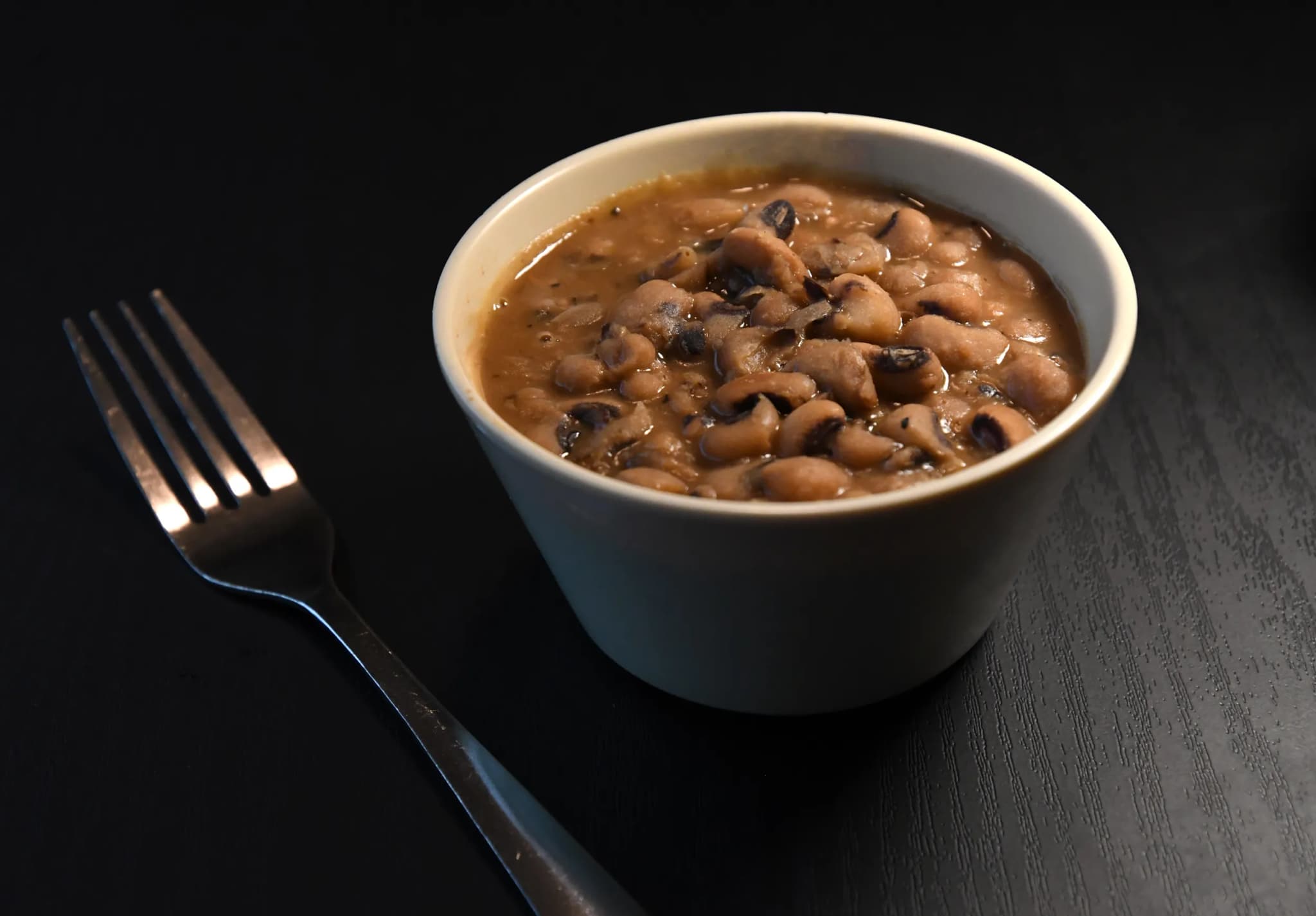
The air inside The Blazing Chicken Shack II in Denver’s northeast Park Hill neighborhood carries the sharp, savory scent of house seasoning. It is a specific kind of heat, distinct from the dry winter wind outside. Chef Rhonda Banks stands near the pass, explaining that their black-eyed peas remain strictly vegetarian, lightly seasoned with just onion and garlic. No ham hock. No turkey necks. Just the legume itself, treated with a kind of minimalist respect that surprises people expecting a traditional Southern pot.
This quiet kitchen practice sits at the center of a much larger regional shift, one that Colorado Sun writer Kathryn Scott detailed in a recent piece. The story began with agriculture: black-eyed peas, native to sub-Saharan West Africa and known variously as cowpeas or field peas, have emerged as a viable crop for Colorado farmers navigating a hotter, drier climate. They are hardy. They thrive where other vegetables struggle. But for a crop to survive, it needs more than just favorable weather; it needs buyers. It needs to move from the field to the plate, and for many folks around here, that transition has been stalled by a simple lack of know-how.
Scott’s latest feature addresses that gap directly, leaning on the expertise of Adrian Miller, a celebrated author and self-proclaimed "Soul Food Scholar." Miller, whose book Soul Food is in its second edition, argues that the pea’s global journey — from West Africa to the Americas via the transatlantic slave trade, and later into European and Middle Eastern cuisines — makes it a culinary chameleon. It is not just a side dish for New Year’s Day luck; it is a center-plate ingredient that can anchor a meal in a dozen different cultural contexts.
Miller’s presence in the story is personal, too. On Aug. 14, he and his executive assistant Trinity Thomas visited The Blazing Chicken Shack II to mark the 13th anniversary of his book’s publication. They placed a copy on a table alongside their dinner order, a small ritual that underscores the dish’s enduring cultural weight. For Miller, cooking these peas is about acknowledging history without being trapped by it. The legume gave enslaved West Africans a "taste of home" under horrific circumstances, a fact that colors every recipe born from its roots.
The connection to Colorado’s own history is unexpectedly deep, a detail Scott highlights with a 19th-century diary. In 1858, German immigrant Katrina Wolf Murat kept a journal while living in Auraria, the urban ancestor of Denver. At that time, she was the only adult woman in a town dominated by bachelor miners, a place locals jokingly called "Menver." One entry describes a Christmas dinner she hosted for notable residents. The menu included venison, sliced potatoes, green beans, dried fruit, and gingerbread cookies. And black-eyed peas. How they arrived in a mining camp in the late 1800s, and why Murat chose them for that specific holiday table, are lost to history. But their presence on the plate is a settled fact: this crop has been part of Colorado’s food landscape for over 160 years.
Today, the challenge is no longer availability but familiarity. Farmers are planting them because the climate demands it. Chefs like Banks are cooking them because the flavor is clean and versatile. The missing link was always the home cook, unsure of how to move beyond a basic boil. Miller’s recipes aim to close that gap, offering techniques that honor the pea’s complex past while fitting into a modern, climate-conscious kitchen.
Back at The Blazing Chicken Shack II, the meal arrives. The peas are soft but intact, their earthy flavor cut by a hint of garlic and the restaurant’s proprietary spice blend. Miller takes a bite, then another, nodding slowly. The dish is simple, but it carries the weight of centuries of trade, migration, and adaptation. Outside, the Denver evening cools, but inside, the conversation lingers on what else this humble legume can do.
Keep up with the Western Slope
The day's Western Slope news, one email each morning. Free.