BLM Auctions 600 Acres Near Aurora Reservoir Amid Local Opposition
The BLM will auction 600 acres of mineral leases near Aurora Reservoir in September, drawing criticism from locals who fear further threats to their drinking water and property values.
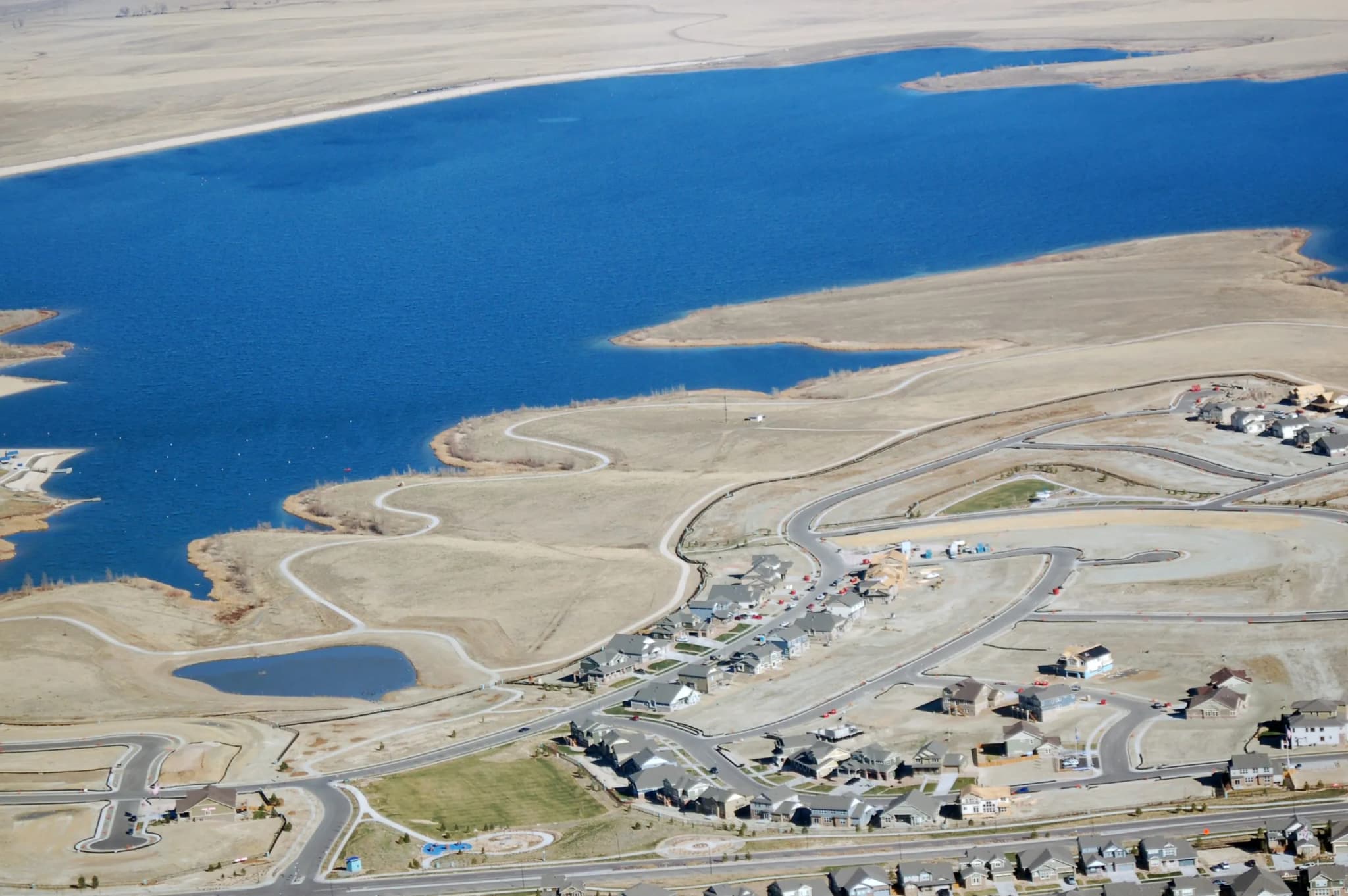
The U.S. Bureau of Land Management will auction off 600 acres of mineral leases west of Aurora Reservoir on Sept. 8, 2026.
The parcels sit adjacent to Colorado State Land Board property where Crestone Peak Resources has already secured approval to develop 108 oil and gas wells. Crestone Peak, a subsidiary of SM Energy Company, received its comprehensive drilling plan approval from the Colorado Energy and Carbon Management Commission (ECMC) in July 2024. That plan covers approximately 32,000 acres on the state’s Lowry Ranch.
This new federal auction adds to an existing landscape of development that locals have fought for years. In April, the ECMC approved the first drilling pad in the comprehensive plan, known as the State Sunlight-Long drill pad. The approval came despite significant community opposition. A grassroots group called Save the Aurora Reservoir, or STAR, hired attorneys and expert witnesses to present their case. The legal battle lasted eight months and included seven separate hearings. The commission ultimately voted 3-2 to approve the pad.
STAR has voiced strong concerns about the upcoming BLM auction. The group argues that public lands should benefit the general public rather than serving as resources for corporate profit. They specifically noted that many of the parcels being leased under the current BLM proposal are concerning because they add to the problems Colorado is already experiencing from widespread oil and gas development.
The BLM’s environmental assessment outlines how the federal wells would likely be developed. It assumes they would be drilled from the State Blanca West well pad, which is planned for the northeast of the auctioned parcels. This pad is designed to accommodate eight horizontal wells that extend three miles laterally onto federal land. The additional development associated with these federal leases would add about 8.5 acres of surface disturbance to the 21.5-acre State Blanca West pad, along with three acres of roads.
To mitigate the environmental impact of this drilling activity, the BLM assessment cites several requirements and best management practices approved by the ECMC. These include the use of electric drilling rigs and low-odor drilling rigs. The assessment also specifies the need for closed-loop fluid systems, full-wrap sound walls, and a vapor recovery system.
Critics of the plan argue that the location is particularly sensitive. The Center for Western Priorities stated that the BLM is planning to lease land on the reservoir’s edge for drilling, even though the area provides drinking water to hundreds of thousands of people. The group suggested that the agency failed to acknowledge that some places may simply be inappropriate for industrial development.
Residents in the valley have spent two years trying to keep an oil field away from their water supply. Now, with the federal auction approaching, the pressure on local officials and the BLM is mounting. The 600 acres up for sale represent a significant expansion of the footprint of energy production in a region already grappling with the consequences of rapid industrial growth.
The outcome of the Sept. 8 auction will determine whether new operators join Crestone Peak in developing the mineral rights beneath the reservoir. For neighbors watching their water quality and property values, every acre leased is another step toward a fully industrialized landscape. The BLM’s decision to move forward with the sale signals a federal preference for resource extraction over preservation, a stance that continues to draw fire from local conservation groups and concerned citizens alike.
Keep up with the Western Slope
The day's Western Slope news, one email each morning. Free.