Breckenridge Mama Bear Breaks Car Windows for Backpacks at Boreas Pass
A mama bear and her cubs leveraged cracked windows to break into a car at Boreas Pass, stealing backpacks and highlighting the importance of secure vehicle storage near Breckenridge.
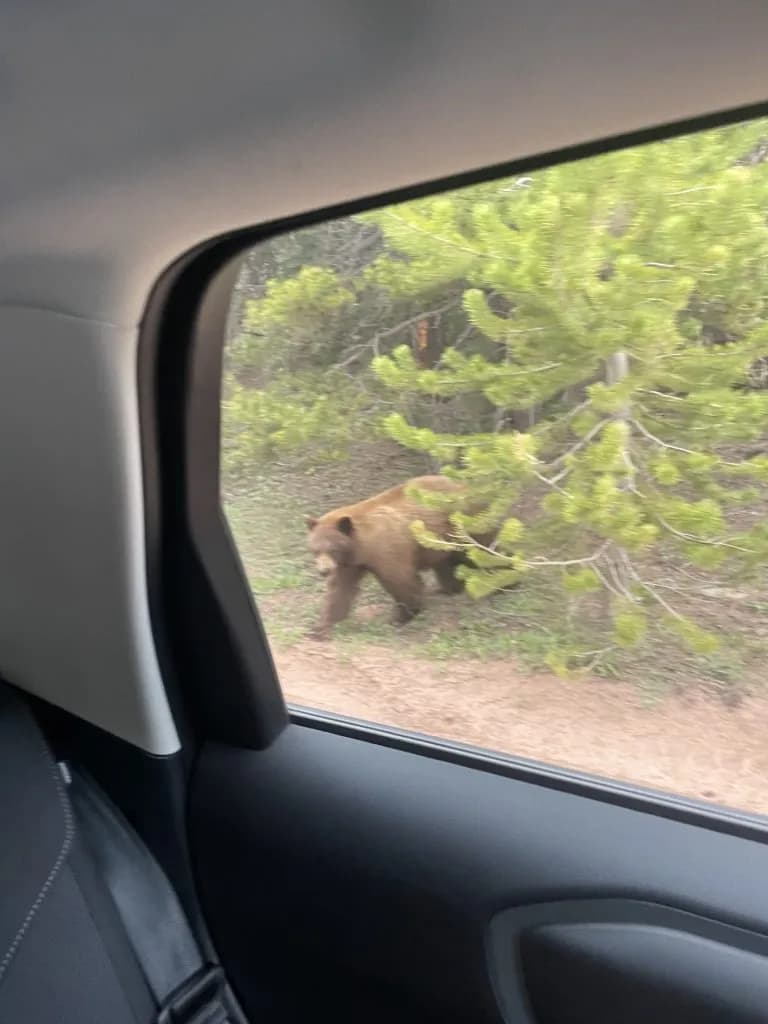
Steamboat Springs —“A mama bear broke the windows of a car at a campsite on Boreas Pass Road near Breckenridge.” That’s the official summary from Colorado Parks and Wildlife. It sounds like a minor inconvenience. It’s not. It’s a reminder that your vehicle is just a cardboard box to a hungry animal, and your "bear-wise" habits might be more theater than strategy.
The incident happened around 8:30 p.m. on Wednesday, June 3. No people were in the car. No one was hurt. But the bear and her two cubs didn’t just knock. They sniffed around the campfire, checked the tent, and then got to work on the vehicle. The rear windows were left slightly open. The bear shook the car, broke the glass, and walked out with two backpacks.
Rachael Gonzales, a public information officer for CPW, noted that while this is the first reported bear at Boreas Pass this year, sightings are "relatively commonplace." She pointed out that Breckenridge and Blue River have ongoing bear issues. Why? Proximity to forest and wilderness. Combined with a large number of people and housing developments.
Let’s look at the mechanics of the break-in. The window wasn’t just broken; it was leveraged. Gonzales explained that the window was already cracked. The bear inserted its paws into that opening and used leverage to break it further. Bears can break windows, doors, and other barriers. They just prefer the path of least resistance.
This wasn’t an isolated event. Last May, a Ring doorbell captured a bear using the handle of an unlocked car door to get inside. The agency reminded the public to keep doors locked at night. Locked cars are harder to break. Unlocked cars are easy targets.
Gonzales said the campers understood the importance of being bear-wise. They hadn’t left any food outside. The food was secured in the vehicle. The backpacks contained the attractants. The bear moved around in search of food. If it doesn’t find any, it moves on. Hopefully, it leaves the populated area and goes back into the wilderness.
But here’s the catch. Once bears learn that tipping over trash cans or opening unlocked doors results in food, they repeat those behaviors. They don’t forget. They adapt.
The campers to whom the vehicle belongs were not harmed. The backpacks were stolen. The windows were broken. The bear and her cubs moved on.
This is what happens when you assume your car is a secure storage unit. It’s not. It’s a potential pantry. The bear didn’t need to break every window. It just needed one. And it found it.
Gonzales said many human-bear conflicts this spring involved unlocked vehicles and food attractants. The pattern is clear. Unlocked doors. Open windows. Food inside. The bear wins.
For locals, this means checking your windows. Not just locking the doors. Checking the windows. If they’re open, close them. If they’re cracked, break them. Or accept that your backpacks are fair game.
The cost isn’t just the glass. It’s the habit. It’s the assumption that because you’re "bear-wise," you’re safe. You’re not. You’re just slightly more difficult to rob.
The bear and her cubs are still out there. They’re sniffing around. They’re looking for the next easy meal. And they’re watching.
Keep up with Steamboat Springs
The day's Western Slope news, one email each morning. Free.
Steamboat Recommends E-Motorcycle Education to Clarify Rules
BLM Clears 113 Roan Plateau Parcels for December 2026 Oil and Gas Lease Sale
Southern Colorado Releases 2,500 Acre-Feet to Save Drying Arkansas River
45 Exhibitors Compete in Routt County Fair Swine Show

Moffat County Fair Awards Crown Winners in Horse Show and Crafts