Southern Colorado Releases 2,500 Acre-Feet to Save Drying Arkansas River
Southern Colorado releases 2,500 acre-feet from Twin Lakes Reservoir to the Arkansas River, combating record-low summer flows and high temperatures to protect fish populations and sustain the local rafting economy.
Aspen —What happens to your weekend fly-fishing trip when the Arkansas River runs dry?
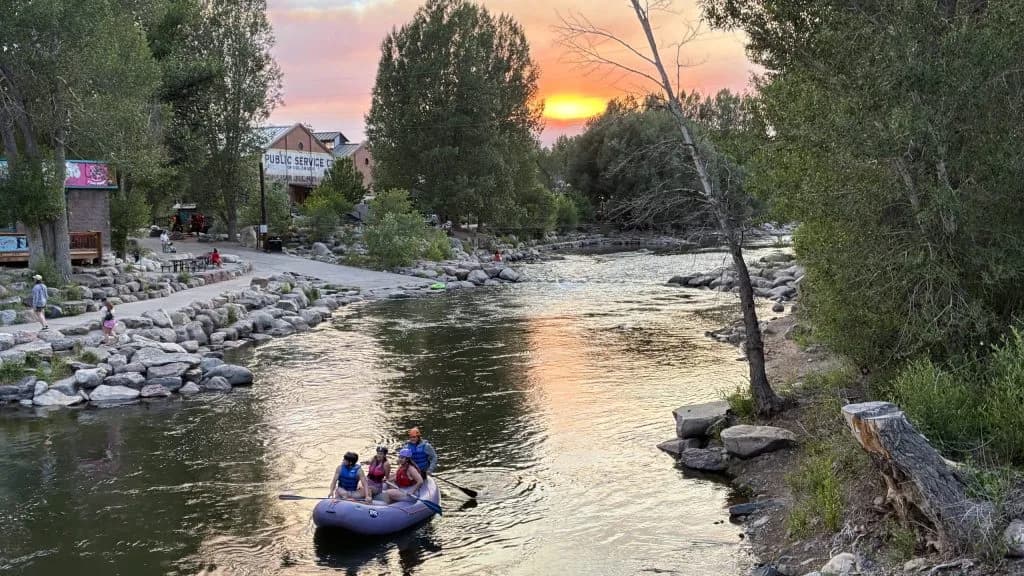
That’s the reality locals are facing this August. Flows on the Upper Arkansas River have trended toward record lows, dropping to less than one-quarter of the historical average for most of the summer. To keep the fish alive and the rafting guides employed, the Southern Colorado Water Conservancy District approved a last-minute deal on Aug. 6.
They’re dedicating 2,500 acre-feet of water to the river. That’s 815 million gallons. It’s a significant volume, but let’s be clear about where it’s coming from and what it actually buys you. The water is being released from Twin Lakes Reservoir and will flow down to Pueblo Reservoir through November.
The Vail Daily reported the details, noting that this influx began earlier this month. It’s not just a symbolic gesture; it’s a hydraulic intervention. The water volume is equivalent to about 1,230 Olympic-sized swimming pools. That’s a lot of H2O to move through a canyon that’s currently gasping for air.
The urgency stems from last winter’s record-low snowpack. We’ve known for months that late-summer drought conditions were coming, but the speed of the decline forced agencies to get creative. Blake Mamich, program director for the Colorado Water Trust, told the paper that while they anticipated bad conditions, the severity required immediate action.
“In this case, we were able to do a quick deal and get some water in the river,” Mamich said.
The goal isn’t just to keep the river wet for the sake of aesthetics. It’s about survival. Alex Townsend, an aquatic biologist with Colorado Parks and Wildlife, explained that the increased flows are critical for protecting habitat and foraging areas for fish and invertebrates. This is especially vital as the fall brown trout spawning approaches.
“We are experiencing unprecedented low flows and high water temperatures on the Upper Arkansas River this year, and it’s crucial to help protect the river for its fishery and recreational value,” Townsend said.
High water temperatures stress trout species. When the water gets too warm, the fish slow down, stop eating, and become vulnerable to disease. Without this boost, the ecological damage could be permanent for certain populations. The state hasn’t issued a formal voluntary fishing closure yet, but Townsend noted it’s “still prudent” to fish carefully.
For the communities along the route — Leadville, Buena Vista, Salida, and down to Pueblo — the stakes are economic as much as they are ecological. Browns Canyon, the scenic 10-mile stretch known as one of the nation’s top whitewater rafting destinations, relies on consistent flow. The river also holds Gold Medal Fishing status, a designation reserved for rivers that consistently provide exceptional trout fishing. If the water disappears, the tourism engine stalls.
Morale in the Arkansas Basin was getting pretty low, Mamich said. The deal is an attempt to stabilize that morale. It’s a stopgap measure, not a permanent fix. The 2,500 acre-feet will help moderate temperatures and maintain minimum flow levels, but it doesn’t change the fact that we are in a catastrophic drought.
The practical impact? You’ll see water in the river. You’ll likely see fish. And the rafting outfitters will stay in business through the end of the season. But don’t expect a return to normal. The water is being borrowed from storage to keep the system alive until the snowpack finally recovers, which could be years away.
Keep up with Aspen
The day's Western Slope news, one email each morning. Free.