Brexit Drags UK Economy 8% Smaller Than Expected
Professor Jonathan Portes analyzes how Brexit has caused a cumulative economic drag, leaving the UK between 4% and 8% smaller than it would have been, with significant losses in trade and public services.
Aspen —Jonathan Portes didn’t mince words. The King’s College London professor looked at the British economy and saw a slow bleed. He didn’t see a sudden collapse. He saw a cumulative drag. Trade. Investment. Productivity. All of it sinking.
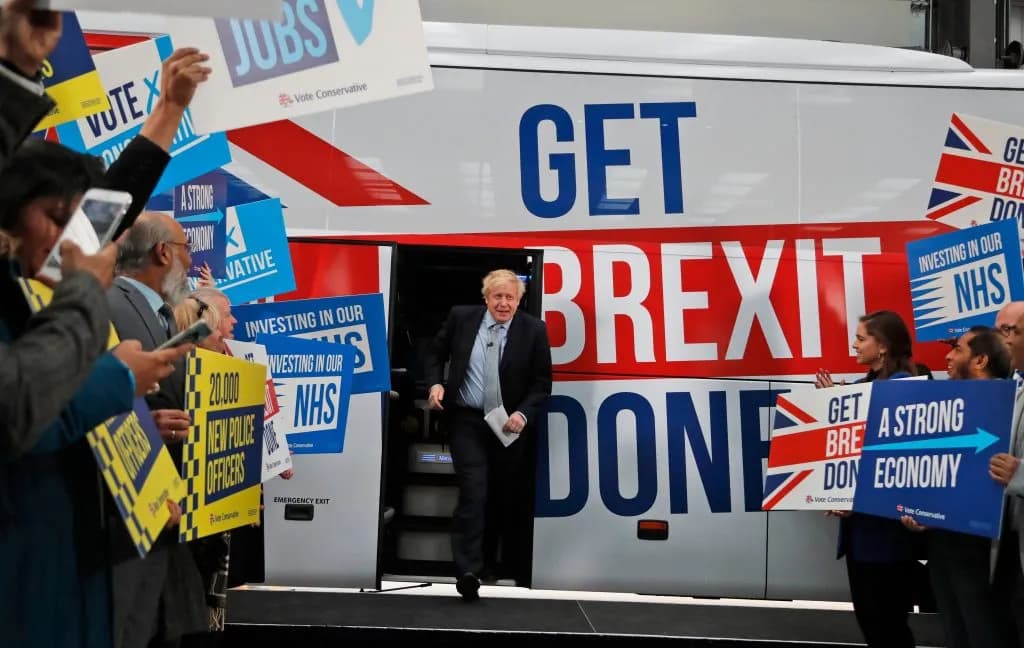
Ten years after the vote, the UK is smaller than it should be. Experts say between 4% and 8% smaller. That isn’t a rounding error. That is billions of pounds left on the table. It’s money that never reached public services. It’s money that was promised to the National Health Service. The Brexiters painted it on the side of a big red bus: £350 million a week. They said leaving the EU would free up that cash. It didn’t.
The vote itself was narrow. 52%. More than 17 million people. June 23, 2016. It shattered a half-century project of closer ties with Europe. It forged political identities that still divide the country. But the divorce wasn’t clean. The paperwork took nearly five years. The process was messy. The result is a harsh economic reality that supporters are still trying to explain away.
Merchants complain about the hurdles. Trading with the EU — the UK’s biggest partner — means clearing customs. It means paperwork. It means border certifications. It means visa restrictions. There are no tariffs on goods entering the EU. But the non-tariff barriers are heavy. They slow things down. They cost money.
Brexiters argue you can’t judge the exit in the short term. They say there was always going to be disruption. They traded economic speed for control. Control over migration. Control over policy levers. That was the pitch. The global financial crisis of 2008 fueled the frustration. People were angry. They wanted the UK to focus on domestic priorities. They wanted to harness the "buccaneering spirit" that once made Britain the world’s biggest economy.
It didn’t quite work out that way.
The pandemic hit. Wars broke out in Ukraine. The U.S.-Israeli conflict added noise. None of it helped. The economy didn’t revitalize. It stagnated. Many of the trade deals touted by the Brexiters never materialized. The big one with the United States? Still waiting.
The short version: the UK is poorer than it would have been. The effect is gradual. It’s not a crash. It’s a drag. Portes wrote it for the think tank The UK in a Changing Europe. He said it clearly. The economy is smaller. The living standards are lower. The public services are underfunded compared to the projection.
Neighbors in the valley know what a slow drag looks like. It’s not a bridge closing for a week. It’s a road being repaved for three years. You don’t notice it day to day. But your commute takes longer. Your gas mileage drops. Your patience wears thin. That’s what Brexit has done to the British economy. It’s a long, slow repaving job that hasn’t finished.
The Brexiters still hold the line. They say the pain was the price of admission. They say the control is worth the cost. But the cost is measurable. It’s in the trade statistics. It’s in the productivity reports. It’s in the empty seats in hospitals that never got the promised cash.
The UK left the EU. The paperwork is done. The division remains. And the economy is still catching its breath.
Keep up with Aspen
The day's Western Slope news, one email each morning. Free.


The digital counter on the side of the bus in Carbondale ticks over, but the seats inside are half-empty

Eagle County Launches Aging Well Roadmap To Keep Seniors Housed