Cañon City Candidate Hamilton Targets Western Slope Water Rights
Cañon City candidate Stephen T. Hamilton published his full platform, pledging to defend Western Slope water rights and shift housing control from Denver mandates to local authorities.

Aspen —"I’m not a career politician."
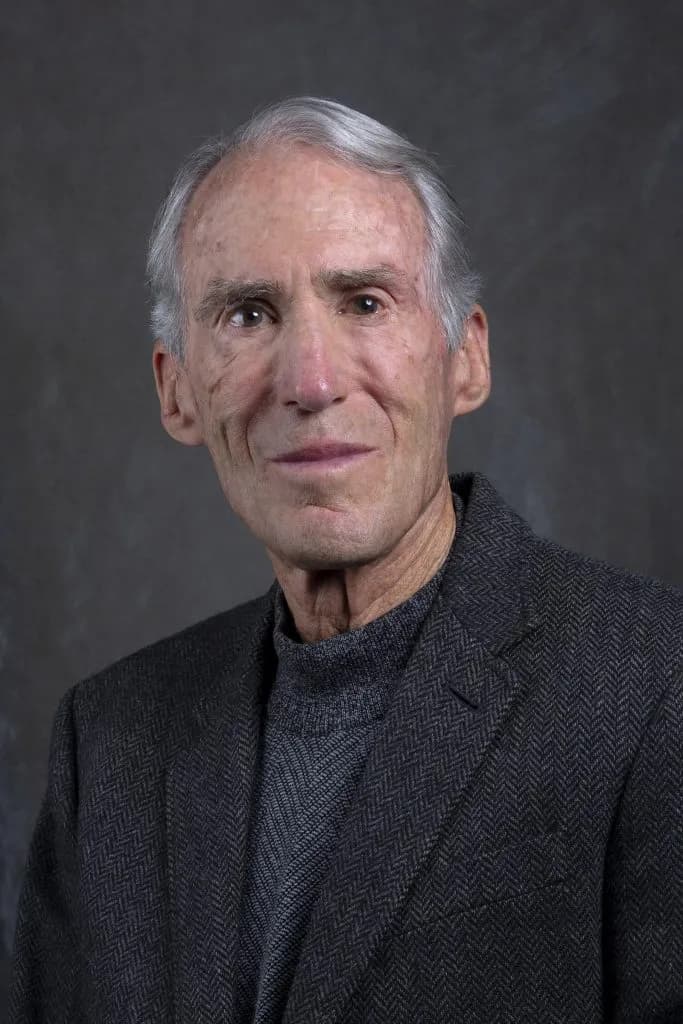
Stephen T. Hamilton says it plainly, without the usual polish of a campaign ad or the rehearsed cadence of a press conference. He says it from Cañon City, where he watches the state’s machinery grind forward while the people who keep it running get left in the dust. Hamilton, a candidate for governor on the American Constitution Party ticket, is betting that his lack of political pedigree is an asset, not a liability. He’s running on the premise that Colorado has drifted so far from its working-class roots that only an outsider can pull it back.
The Aspen Times published his full platform this week, and the first thing that hits you is the specificity of his grievances. He doesn’t talk about "challenges" or "complexities." He talks about a teacher commuting two hours to teach in the town where she grew up. He talks about a nurse living in a camper because the local hospital is too far from affordable housing to walk or bike. These aren’t abstract policy points; they’re the texture of daily life for folks in the valley and up in the High Country. If you’ve ever watched a neighbor leave at 4:30 a.m. to make a commute that feels like a second job, you know the weight of those words.
Hamilton argues that housing policy has been written for Denver and Boulder, then handed to mountain communities as an afterthought. His fix is local control with state support: expanding deed-restricted workforce housing built by local authorities, cutting red tape for modular construction, and unlocking state land near existing infrastructure. He wants to stop housing dollars from being swept into Front Range formulas and instead let towns license, cap, and tax short-term rentals, with every dollar dedicated to workforce housing. It’s a shift from statewide mandates to local tools, a recognition that a solution for Aspen isn’t automatically the right fit for Montrose or Gunnison.
But on the Western Slope, water is the issue that actually defines our future. Hamilton’s position here is blunt: he will defend Colorado’s senior water rights and compact entitlements, and he will not trade away the west slope to solve a Lower Basin problem. He wants to fully fund the Colorado Water Plan, invest in conservation and watershed health, and stop talking about new transmountain diversions that pit one part of the state against another. He favors voluntary, compensated conservation for agriculture over buy-and-dry, and he wants to bring water districts, farmers, ranchers, tribes, and Front Range leaders to the table to lead with data, not lawsuits. For a region where every drop is accounted for and fought over, that distinction matters.
He also pledges to restore trust in wolf reintroduction, though the text cuts off before detailing his specific approach. The through-line is clear: he wants to stop the lurching from crisis to crisis and start solving the real problems that have been ignored. The campaign is just beginning, and the questions about how he’ll actually deliver on these promises are only starting to form. But for now, the image that sticks is of a man from Cañon City who believes he knows what it feels like to be left behind, and is willing to walk into the statehouse with that knowledge in his pocket.
Keep up with Aspen
The day's Western Slope news, one email each morning. Free.