Glenwood Families Face Legal Fight Over Federal Diet Guidelines
A federal lawsuit challenges new dietary guidelines, alleging industry insiders influenced recommendations over scientific data. The case could reshape school lunch standards and dietary advice for Western Slope families.
Glenwood Springs —The morning light hits the snow-capped peaks above Glenwood Springs with a sharp, crystalline clarity that makes the air feel thin and clean. It is the kind of quiet that settles over the valley before the first cars idle on I-70, a stillness that feels almost sacred. In this landscape, where the air is crisp and the horizon stretches endlessly between the Rockies, the idea that what we put on our plates might be dictated by boardrooms rather than biology feels like a dissonant note in the morning silence.
That dissonance drives a new legal battle brewing in Washington, D.C., one that has direct implications for what lands on the tables of families here in the valley. The federal government’s new 2025-2030 Dietary Guidelines for Americans, released this year, have sparked a lawsuit from the Physicians Committee for Responsible Medicine (PCRM). The suit argues that these guidelines, which determine what children eat in school lunches and influence the dietary habits of millions of adults, were not shaped by science alone but by a "secret panel" of food-industry insiders.
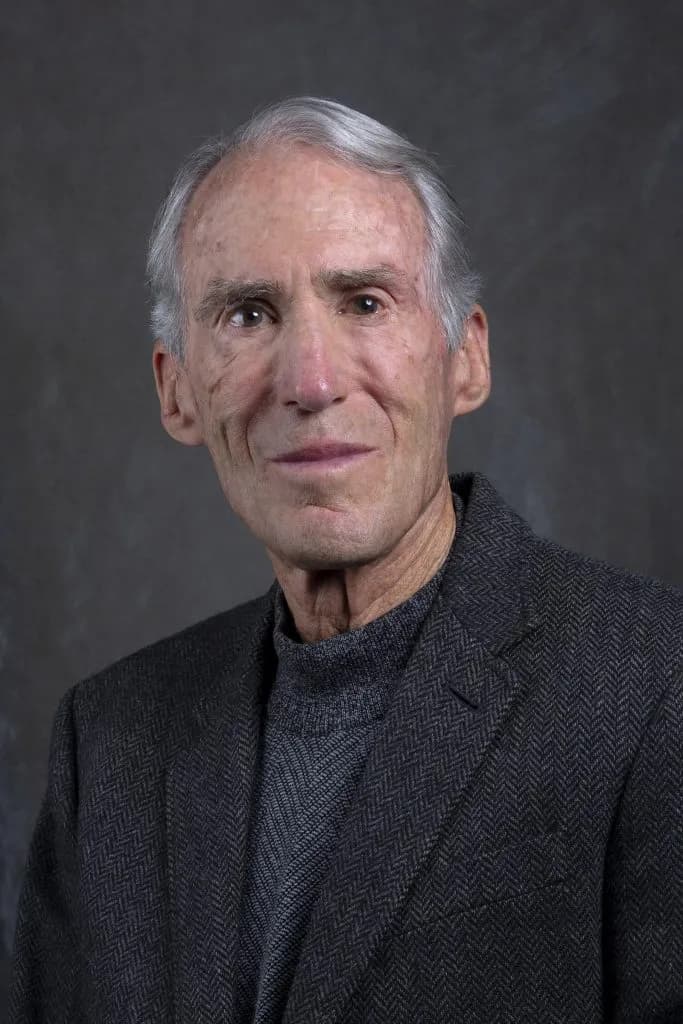
Neal Barnard, MD, the founder of PCRM and a professor at George Washington School of Medicine, has long argued that a plant-based, whole-food diet prevents and reverses most chronic diseases. In the autumn issue of PCRM’s “Good Medicine” journal, Barnard wrote that a meat- and dairy-based diet contains cholesterol and harmful saturated fat, increasing the incidence of obesity, diabetes, heart disease, strokes, cancer, and overall mortality. Yet, he noted, the new federal guidelines promote meat, dairy, and animal fat. He described the situation as Big Food using Big Tobacco’s playbook: muddy the waters, confuse the public, and sponsor studies that compare beef-eaters to people eating something even less healthy, while avoiding comparisons with plant-based eaters.
The lawsuit filed in August with the U.S. District Court for the District of Columbia makes a specific and damning claim: that HHS Secretary Robert F. Kennedy Jr. ignored the scientific report released by a committee appointed under the Biden administration, which recommended "more plant-based meals and reducing animal products." Instead, according to the suit, a hastily assembled secret panel of industry insiders came up with a different report without public oversight.
The stakes are high because these guidelines come out every five years and shape the nutritional foundation of a generation. The lawsuit claims that eight of the nine members of this "secret panel" had conflicts of interest, including ties to the National Cattlemen’s Beef Association, the National Dairy Council, the American Egg Board, the National Pork Board, and the low-carbohydrate diet industry. The suit argues these ties violate the Federal Advisory Committee Act. As Barnard put it in his column, "They put money in industry’s pocket and cholesterol in Americans’ arteries."
For folks around here, who might be planning a weekend hike or just trying to navigate the grocery store on Main Street, this isn't abstract policy. It’s about whether the advice we’re given is rooted in what keeps us healthy or what keeps certain industries profitable. The court has been asked to order HHS and USDA to withdraw the guidelines and develop new ones that are free from industry influence.
The valley is quiet now, the snow still bright against the dark pines of the foothills. But beneath that silence, a legal argument is unfolding that will determine whether the next generation of Western Slope kids learns to see food as medicine or as a commodity. The smell of pine needles and cold air is constant, but the taste of what we eat might soon change, depending on how a judge in D.C. rules on the influence of a handful of industry insiders.
Keep up with Glenwood Springs
The day's Western Slope news, one email each morning. Free.