Trump Leases Threaten Roan Plateau Conservation Deal
The Trump administration plans to sell oil and gas leases on Colorado's Roan Plateau this December, threatening a twenty-year conservation agreement that protects unique trout and elk habitats.

The wind on the Roan Plateau doesn’t just blow; it scours. It strips away the thin layer of dust that settles on the sagebrush and reveals the raw, ancient geology beneath, a landscape rising more than 3,000 feet above the Colorado River Valley near Rifle. It is a place of stark beauty and fragile life, home to genetically unique cutthroat trout in its streams and some of the state’s largest elk herds in its forests. But right now, that wind is carrying a different kind of grit — the dust of heavy trucks and the smell of industrial machinery. The Trump administration is planning to sell oil and gas leases on this very ground this December, a move that threatens to shatter a twenty-year consensus built by hunters, anglers, and conservationists alike.
It feels counterintuitive to call this a new fight. The Roan was at the center of drilling conflict twenty years ago, when the Bush administration tried to lease the entire plateau. Back then, local stakeholders fought hard, and in 2014, they reached a settlement that eliminated all leases on top of the Roan. For two decades, the threat receded. Agencies and partners spent that time restoring habitat, improving fisheries, removing obsolete fencing, and protecting watersheds. The Colorado Natural Heritage Program had ranked the Roan as one of the four most biodiverse landscapes in the state back in 1997, and that designation wasn’t just a label; it was a promise of stewardship. Now, the federal Bureau of Land Management wants to undo that work by allowing an oil and gas company to drill more than a half-dozen well pads, each the size of 7.5 football fields.
If you look closely at what “industrial development” means in this context, the scale is staggering. These aren’t just a few dials and pipes; they are large, centralized facilities designed to manage the huge volumes of wastewater generated during drilling and production. The resulting heavy truck traffic will cause erosion and sedimentation, impacting a landscape that has remained largely undisturbed. The Colorado Sun notes that this approach blows up one of the state’s best success stories for collaborative protection. It ignores the fact that Colorado has a proud tradition of seeking solutions that balance community needs with environmental health, rather than imposing top-down extraction.
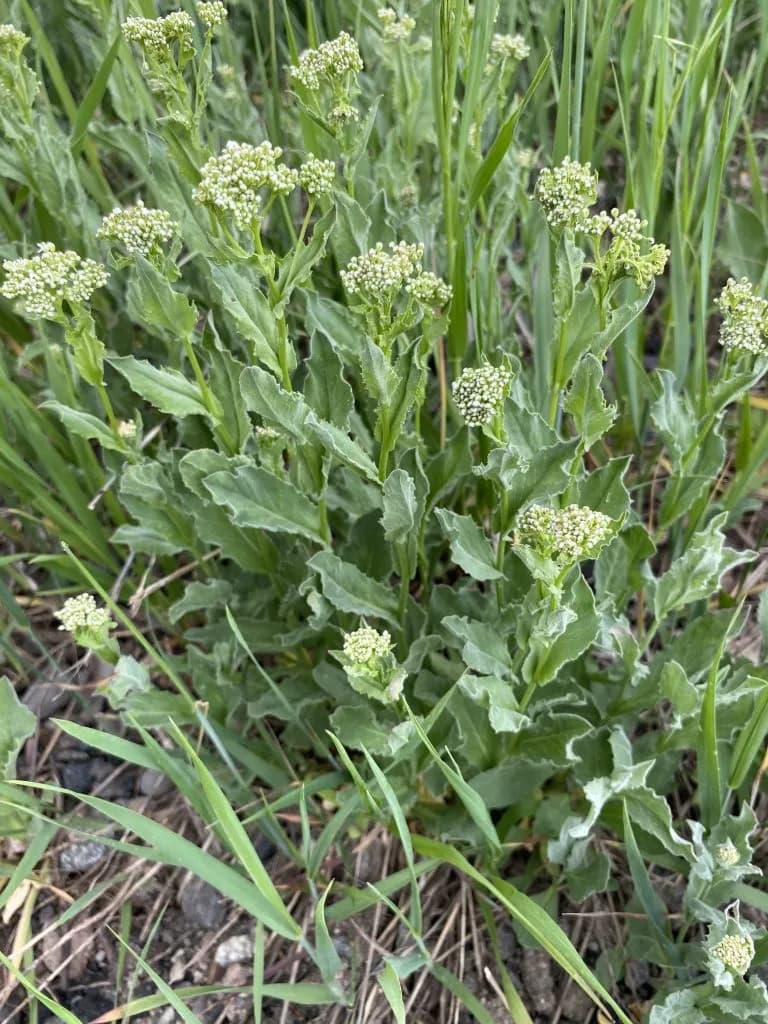
The plateau is treasured by locals for hunting, fishing, camping, and wildlife viewing. It supports black bears, mountain lions, greater sage-grouse, and rare plants found nowhere else on Earth. Several streams flowing across the plateau are designated as “Outstanding Waters” because of their exceptional ecological and recreational value. To replace that quiet, wild expanse with the roar of engines and the churn of wastewater facilities is to trade a living ecosystem for a commodity. The collaboration that protected the Roan was hard-won, forged in litigation and negotiation, but it held. It allowed the land to breathe again.
Now, that breath is being cut short. The administration’s move isn’t just about energy; it’s a test of whether the collaborative model still has any weight in federal policy. If you’ve ever hiked the trails on the plateau, you know the silence there is heavy with life. You can feel it in the stillness of the meadows and the clarity of the streams. That silence is about to be broken by the sound of industry, a noise that doesn’t fade with the sunset but lingers in the sediment and the water. The Roan is a crown jewel of Colorado public lands, and its protection was earned through years of shared effort. Selling those leases this December is a decision that will echo in the valley for generations, leaving behind not just well pads, but a landscape fundamentally altered by the weight of what was extracted from it.
Keep up with the Western Slope
The day's Western Slope news, one email each morning. Free.