Carbondale Filmmaker Brings Costa Rica Wildlife Documentary to Crystal Theatre
Carbondale filmmaker Sylvia Johnson screens her Costa Rica documentary 'Madre Ceiba' at the Crystal Theatre, drawing parallels to local development pressures and wildlife conflicts in the Roaring Fork Valley.
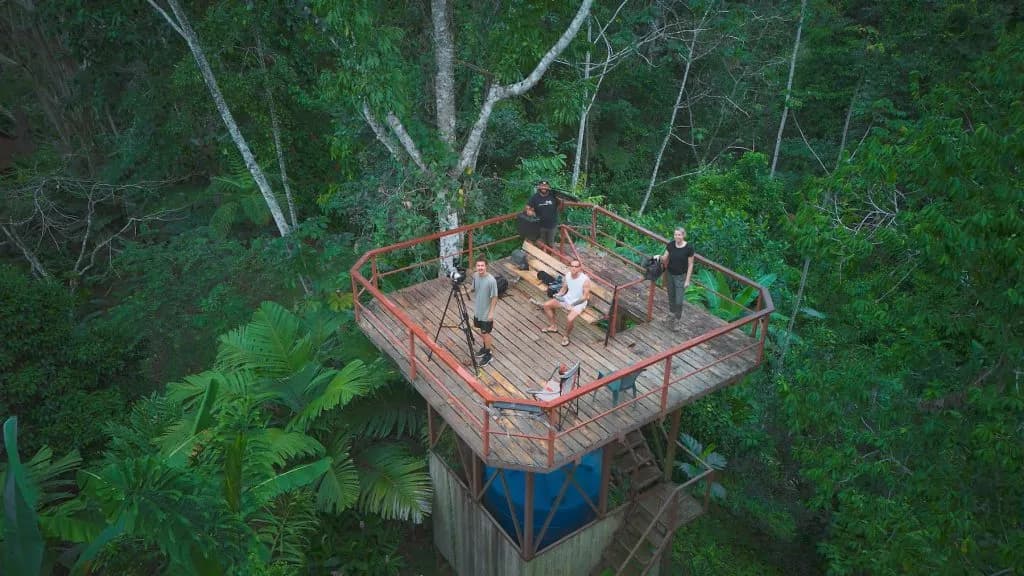
Aspen —"Many of the themes that are present in the film, which takes place in Costa Rica, I see happening here in terms of increased development, increased traffic, increased human pressure, more challenges for wildlife, more wildlife being hit on the highways, and having conflict with humans."
That is Sylvia Johnson speaking. She isn’t talking about a foreign country anymore. She’s looking at the Roaring Fork Valley.
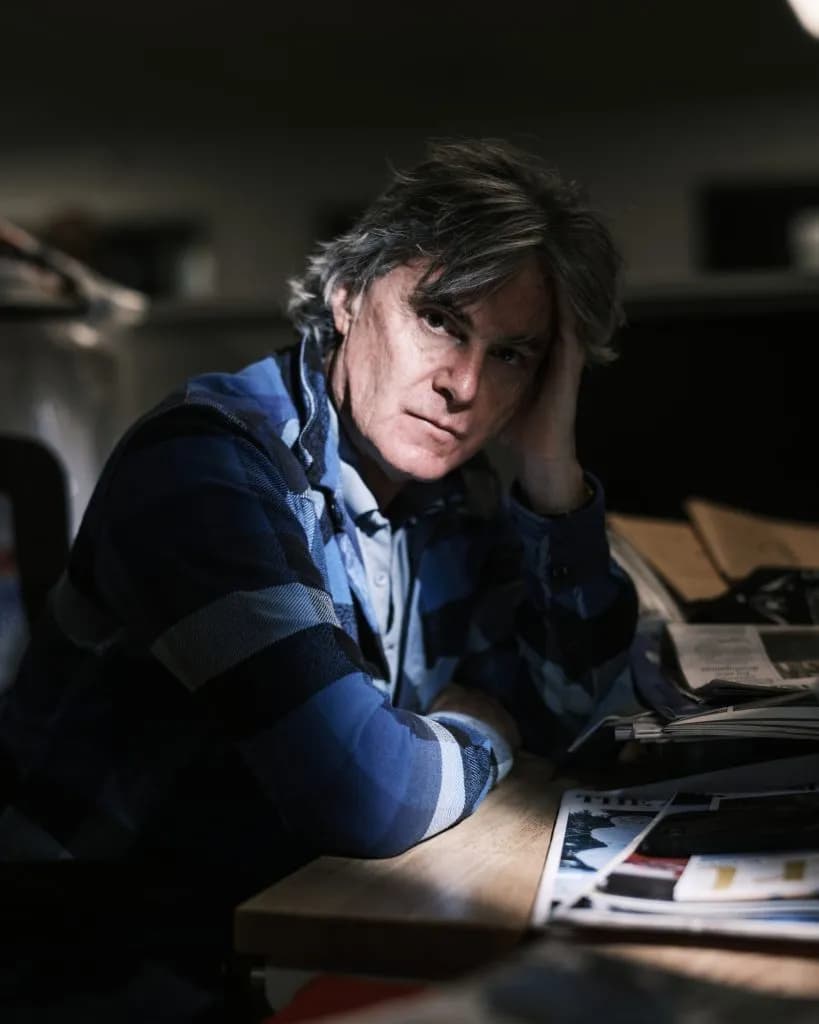
Johnson, a Carbondale-raised filmmaker and National Geographic Explorer, is bringing her new 22-minute documentary, "Madre Ceiba," to the Crystal Theatre. The screening is set for 7 p.m. on Tuesday, Oct. 27. It will be a bilingual event. After the film rolls, Johnson sits down for a Q&A with local conservation organizations.
The movie cuts to the Caribbean coast of Costa Rica. It shows development eating into undisturbed forests. It tracks the growing threats to wildlife in that specific ecosystem. But Johnson argues the script is writing itself here, too.
She moved to Carbondale from Bolivia when she was 12. She has been making films for nearly 20 years. Her work spans human rights, immigration, and wildlife conservation. She’s a National Geographic Explorer, which means the nonprofit arm of National Geographic has funded parts of her career.
Before "Madre Ceiba," she was burned out on human trauma. She had spent years covering immigration and rights issues. So she went to Costa Rica to volunteer at a wildlife rescue center. She stayed for about six weeks. That stint reignited her interest in nature stories. It also connected her with a Venezuelan filmmaker who became her collaborator on the project.
The short version: Johnson sees a mirror in Costa Rica’s coast. She sees the same pressure points hitting our own valley.
Consider her previous work. "Mermaids Against Plastic" followed female scientists and divers fighting marine plastic pollution in Mexico’s Yucatan Peninsula. She ran a storytelling initiative in Rwanda to address human-wildlife conflict. During the pandemic, she worked with local public health officials on a photography project to improve vaccine access for the Roaring Fork Valley’s Latino community.
She knows how to tell a story that bridges gaps. She knows how to make a global issue feel local.
The Crystal Theatre is in Carbondale. If you live here, you’ve seen the traffic. You’ve seen the new builds creeping up the slopes. You’ve heard about the deer hitting cars on Highway 82 or I-70. Johnson doesn’t shy away from that reality. She points to the parallel between a tropical rainforest and our own mountain foothills.
Development is expanding into habitats that previously stayed undisturbed. That happens in Costa Rica. It happens here. The wildlife suffers the consequences.
Johnson isn’t just selling a ticket to a movie about jaguars or toucans. She’s using Costa Rica as a case study for what happens when growth outpaces conservation planning. The film is 22 minutes long. It’s tight. It doesn’t waste time.
The Q&A session is where the local stakes land. Local conservation organizations will be on that panel. They know the specific corridors, the specific bottlenecks, and the specific political fights happening in our valley right now.
Johnson was born in Bolivia but calls Carbondale home. She’s seen the world, but she keeps coming back to this valley. Her perspective is grounded in that return. She loves the place, which makes her critique sharper.
The event is bilingual. That matters. It signals who the story is for. It’s not just for the English-speaking elite in Aspen or the weekend visitors. It’s for the community that lives here year-round.
There is no press release sugar-coating this. The threat is real. The development is real. The wildlife conflict is real. Johnson just put it on a screen and called it what it is.
The film ends, the lights come up, and the conversation starts. That’s where the real work begins.
Keep up with Aspen
The day's Western Slope news, one email each morning. Free.