Clean Energy Adds 961 Jobs to Colorado Eastern Plains
A new report reveals clean energy generated $6.3 billion statewide and added 961 jobs to Eastern Plains counties over the past decade, significantly boosting the regional economy.
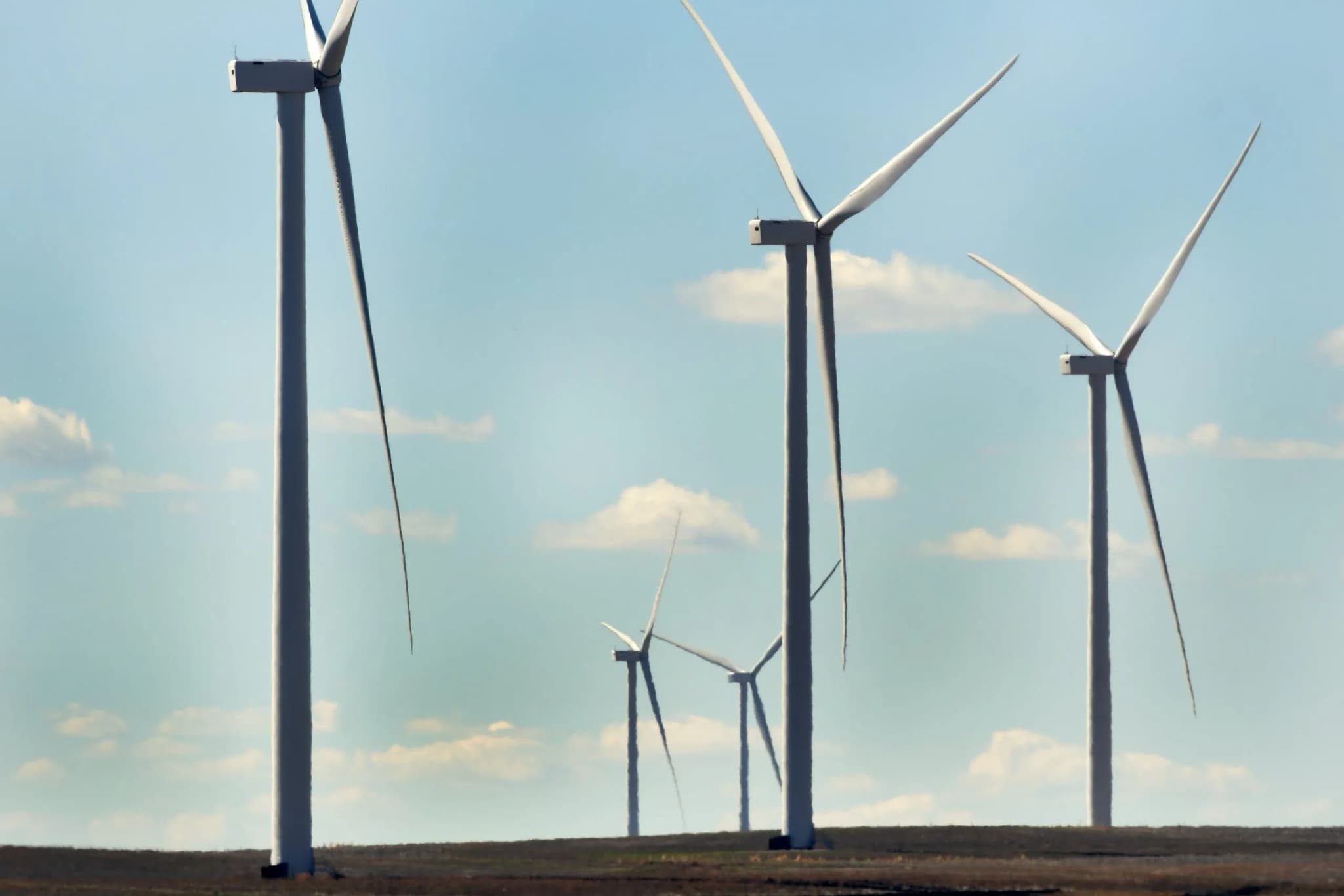
Wind turbines loom over farmland along CO-61 north of Otis. They are the new skyline for the Eastern Plains, and they pay better than almost anything else in those counties.
A new report from the Colorado Solar and Storage Association puts a hard number on that shift. Clean energy generated $6.3 billion in economic impact statewide last year. The study claims the sector added 961 jobs to Eastern Plains counties in the past decade, bringing the regional total from 4,316 jobs in 2010 to 6,715 in 2024.
Troy McCue, executive director of the Lincoln County Economic Development Corporation, noted that these utility positions represent the second-highest-paying job category in his county.
“Clean energy jobs here went from almost nothing in 2010 to dozens of good-paying positions today, and that kind of growth matters in a county our size,” McCue said. “This industry is helping us diversify our local economy in a way that benefits everyone, not just the energy sector.”
The report projects this growth will accelerate. It predicts 3,594 new clean energy jobs statewide over the next ten years, with 961 of those landing in Eastern Plains counties. That expansion would add another $1.7 billion to the regional economy, according to the industry data.
The money isn’t just in operating turbines. It’s in building them. The report highlights construction and maintenance roles as high earners, fields that often outpay local agriculture and service jobs. There is also potential growth in transmission line construction, a project that has long divided neighbors on the plains.
Colorado’s grid is changing underfoot. The state set a legal target for 80% renewable power generation by 2030. Utilities are on track to hit that mark, driven by utility-scale solar and wind farms replacing aging coal plants.
Molson Coors is a case study in this transition. The beverage company is developing a solar farm atop the remains of a coal mine near Keenesburg. That site powered its Golden plant for decades. By the end of 2026, the new array will offset 7% of the energy used at its sprawling Golden campus.
The federal government wants a different story. The Trump administration has issued emergency orders to extend the lives of coal plants scheduled for closure, including Tri-State Generation’s Craig unit in northwestern Colorado. Weld County has also benefited from the fossil fuel boom, specifically fracking in the Denver-Julesburg petroleum basin.
Make no mistake: the Eastern Plains are now a dual-energy region. Fracking and wind coexist, often on adjacent land. The report argues that renewables are winning the long game on job quality and stability, even as federal subsidies shrink.
The direct economic impact statewide stands at $3.5 billion. Indirect impacts add another $1.6 billion, and induced impacts contribute $1.2 billion. That is a lot of money flowing into small towns that have historically relied on a single crop or a single fuel.
The report does not mention the cost of that infrastructure to ratepayers, nor the ongoing land-use disputes between ranchers and turbine developers. It focuses on jobs and dollars. For a county like Lincoln, where the economic base is thin, those numbers carry weight.
The wind is blowing. The turbines are turning. And the paychecks in the Eastern Plains are getting thicker.
Keep up with the Western Slope
The day's Western Slope news, one email each morning. Free.