Western Slope Job Postings Fall Year-Over-Year Despite State Growth
A new report shows Colorado’s Western Slope saw fewer job postings in Q2 2026 than the prior year, with towns like Breckenridge and Steamboat contracting even as the broader state economy grew.
Aspen —Colorado’s Western Slope posted fewer jobs in the second quarter of 2026 than it did in the same period last year.
That is the headline number from a new report released by the Colorado Chamber Foundation and Aspen Technology Labs. While the state as a whole saw active job postings climb to 127,508 in June — up 1.5% from June 2025 — the specific mountain communities that anchor the region’s economic identity are trending downward on a year-over-year basis.
The data reveals a split personality in the labor market. On one hand, Western Slope markets drove the state’s quarter-over-quarter momentum as recreation hiring picked up ahead of the winter ski season. Montrose led the pack with a 21.5% increase from March, followed by Grand Junction at 18.9% and Durango at 15.9%. But when you compare those numbers to the second quarter of 2025, the picture darkens.
Edwards and Breckenridge both saw job postings drop by roughly 7.5% to 8%. Steamboat Springs lost 3.7%, and Rifle shed 2.8%. These are not marginal shifts; they represent a contraction in the number of open roles available to locals looking for work.
Rachel Beck, executive director of the Colorado Chamber Foundation, called the state’s return to growth an "encouraging sign," but she emphasized the need for stronger local talent pipelines. The report suggests this contraction might actually be a sign of stabilization rather than decline. After years of pandemic-era turnover, employers may simply not need to post as many roles because they have retained staff.
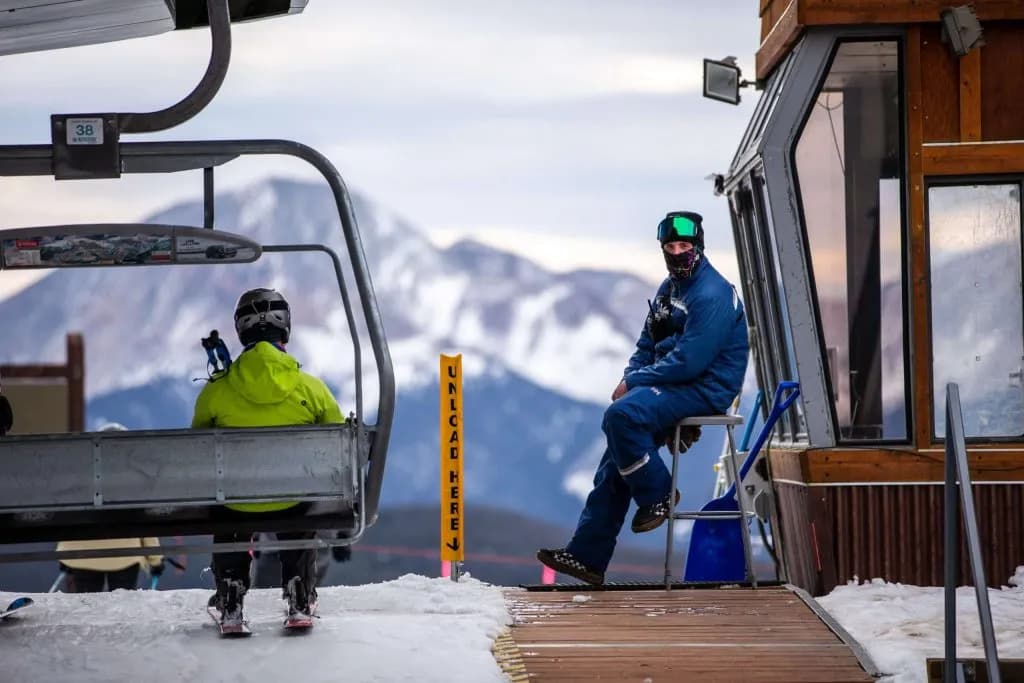
The outdoor recreation sector tells a different, sharper story. A sample of 50 employers in this space posted 1,580 openings in June, up 17.3% year-over-year. Aspen saw the largest spike in the state, with a 184% increase in outdoor recreation postings. Vail followed with an 18% rise. The report notes that hiring typically accelerates in late summer as resorts prepare for winter, making the June increase an early indicator of stronger seasonal staffing demand.
Most of that hiring is in hospitality. Food and beverage roles made up 40% of the postings, with lodging and guest services accounting for another 16%. Only 8% were recreation-specific roles, like lift operations or trail maintenance.
Denver, which accounts for more than half of the state’s job postings, rose 2%. The contrast is stark. The Front Range is growing; the West is consolidating.
The median advertised full-time salary in Colorado reached $67,590 in June, up 4.4% from last year and $5,356 above the U.S. median. That wage growth is real, but it does not offset the fact that fewer doors are open in towns like Steamboat and Breckenridge compared to a year ago.
Business experts point to the retention factor. If you stop churning through staff, you post fewer jobs. That is a healthy sign for employers who are tired of the revolving door. For job seekers, it means a tighter market. The part everyone skips past is that "stabilizing" can feel like "shrinking" when you are the one looking for a paycheck.
The report ends on a note of cautious optimism about the rebound, but it stops short of explaining why some towns are growing while their neighbors shrink. The data is in the red for year-over-year comparisons, even as it turns green for quarter-over-quarter movement.
In the end, the numbers show a region in transition. The wild turnover of the pandemic years is giving way to something quieter, slower, and perhaps more sustainable. But for now, the job boards in Edwards and Breckenridge look a little emptier than they did twelve months ago.
Keep up with Aspen
The day's Western Slope news, one email each morning. Free.