Colorado Animal Rescue Tackles Roaring Fork Housing Barriers
Colorado Animal Rescue addresses Roaring Fork Valley housing restrictions and veterinary costs through a new pet food pantry and free behavior training sessions.
Glenwood Springs —The first thing you notice when the double doors at Colorado Animal Rescue swing open is the sound. It’s a low, rhythmic thumping of paws on tile, mixed with the soft hum of ventilation and the occasional sharp bark from a dog who knows exactly where the treats are kept. Standing right behind the reception desk is Pixie, a two-year-old Labrador-Rottweiler mix whose tail wags so hard her whole body seems to vibrate. She doesn’t just sit there; she leans in, eyes bright, creating an immediate sense of welcome that makes the sterile idea of a "shelter" feel a little less cold.
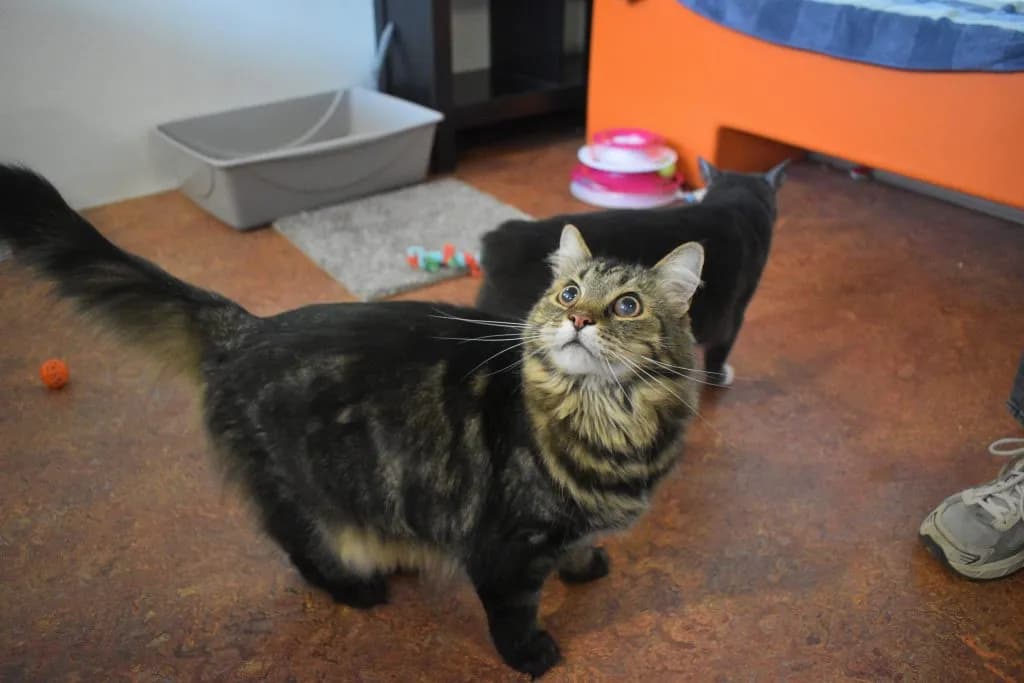
Pixie is one of nearly sixty animals currently calling this place home. While the facility is best known for its dogs and cats, the roster is surprisingly eclectic. Maggie Niehoff, the Programs Director, mentioned that the shelter has even housed an American alligator en route to Florida. It’s a small detail, but it speaks to the kind of flexibility required to keep every animal safe. The layout supports this diversity, with spacious, separate areas for different species. There’s a dedicated veterinary care space, visiting rooms, and an animal-specific kitchen. Outside, a sprawling fenced-in field and a walking path give the animals room to stretch their legs, while a "catio" at the front of the building lets the felines enjoy fresh air without the risk of escape.
But the work here isn’t limited to the walls of the building. Executive Director Wes Boyd points out that a huge part of their mission involves ownership support programs. He notes that the biggest barriers to keeping pets today aren’t just stray animals; they’re veterinary costs, housing restrictions, and behavior problems. To tackle this, CARE runs a pet food pantry, distributing donated food to owners in need. They also offer three free sessions with a professional dog trainer for pets facing behavioral challenges. This proactive approach aims to keep animals out of the shelter in the first place.
Boyd highlights that housing is a particularly tough challenge in the Roaring Fork Valley. Pet policies in many apartments and condos can be restrictive, forcing some owners to make the heartbreaking choice to give up their pets to secure affordable housing. CARE steps in to help these displaced animals find new, loving homes. Every animal is spayed or neutered and microchipped before adoption, ensuring they are ready for their next chapter.
As you leave the shelter, the energy shifts. The noise fades into the background, replaced by the quiet confidence of a team that knows they’re doing more than just saving lives. They’re changing how the community thinks about pet ownership. And as you walk down the street, you can’t help but wonder about the next animal that will walk through those doors. Will it be a cat needing a second chance? A dog with a tricky past? The answer is always waiting, just inside the entrance, ready to meet you.
Keep up with Glenwood Springs
The day's Western Slope news, one email each morning. Free.