Colorado Broadband Chief Resigns Amid $400 Million Federal Funding Cut
Brandy Reitter resigned as Colorado Broadband Office chief with 48 hours' notice, leaving the agency to navigate a halved $420 million federal award and a shift toward satellite providers.
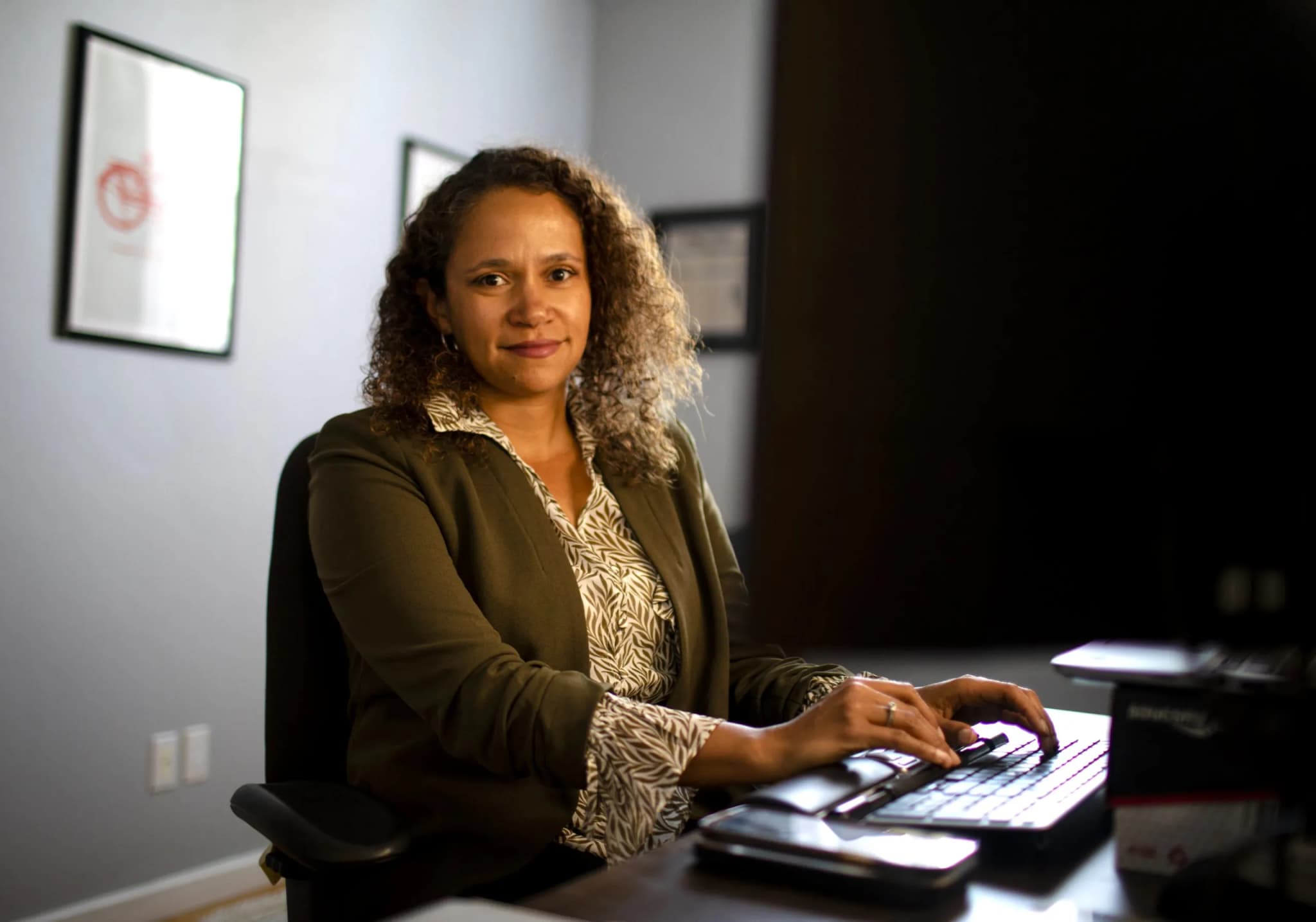
The most expensive internet connection in rural Colorado isn’t always the one that reaches your house. It’s the one you never got because the state agency tasked with building it just lost its leader on a two-day notice.
Brandy Reitter, the executive director of the Colorado Broadband Office since February 2022, stepped down on Monday. She gave the agency 48 hours to figure out what comes next.
That matters because Reitter wasn’t just a bureaucrat in a windowless office in Denver. She was the architect who helped Colorado snag nearly $1 billion in federal money to build fiber lines through valleys and mountains that private companies had ignored for decades. And now, with the federal rules shifting underfoot, she’s gone.
Erin Jeffreys, a spokesperson for the Governor’s Office of Information Technology, confirmed the resignation in an email. “Yes, unfortunately, OIT received Brandy’s resignation,” Jeffreys wrote. “She will be missed and we appreciate her service to the state.”
The replacement? Alison Terry, who has led the Governor’s Office of Federal Funds and Strategic Initiatives, will serve as interim executive director. Until a permanent pick is made, the office runs on fumes and institutional memory.
The timing is awkward, to say the least. Reitter spent her tenure navigating a minefield created by Washington. Last year, the Trump administration changed the terms for the Broadband, Equity, Access and Deployment (BEAD) program. Part of a $42.5 billion pot from the 2021 infrastructure bill, BEAD was supposed to be a lifeline for rural connectivity. Instead, U.S. Secretary of Commerce Howard Lutnick redefined the goal around the “benefit of the bargain.” Cheaper wins. Satellite and wireless over fiber.
The result was brutal for Colorado. The state’s $826.5 million award was slashed to $420.6 million. Half of the locations identified as unserved or underserved were handed to satellite providers like Amazon Leo and Starlink.
Reitter stayed. She worked with local providers, some of whom had to rescind their original BEAD contracts because the federal math no longer worked.
Brian Worthen, CEO of Visionary Broadband, which builds fiber in rural areas, said the company trimmed its hybrid projects — those mixing fiber and wireless — because they “did not make financial sense.”
“We’re subject to the whims of satellite pricing all time,” Worthen said. “So it’s just easier to focus our efforts in the future on fiber.”
Stand there long enough and you start to wonder if the state is ready for that focus. Or if it’s already drifting toward the cheaper, less reliable option just because the person who fought for the better one is no longer in the room.
Jon Stavney, executive director of Northwest Colorado Council of Governments, said Reitter’s departure was a surprise. Stavney, a previous town manager for Eagle, knew her from when she served as the town’s manager after him. They continued to work together on broadband issues in the Northwest region, a landscape where fiber isn’t a luxury. It’s the difference between a student attending class and a farmer checking market prices.
Reitter worked from her home office in Eagle, according to photos taken by the Colorado Sun in November 2022. That proximity to the communities she served was part of her credibility. It’s also why her sudden exit leaves a vacuum that no interim appointment can easily fill.
The broadband office is now in transition mode, Jeffreys said. The focus is “maintaining continuity for our CBO staff, stakeholders and partners.”
But continuity isn’t the same as momentum. And in a state where half the rural internet map was redrawn by federal decree, losing the navigator who understood both sides of that equation feels less like a personnel change and more like a strategic retreat.
In Eagle, the internet still works. For now. The fiber lines Reitter helped secure are in the ground. But the next round of funding? That’s up to a new leader, working with half the money, under rules that favor satellites over spines.
The office is open. The phone lines are live. But the person who knew how to answer them is gone.
Keep up with the Western Slope
The day's Western Slope news, one email each morning. Free.