Colorado Closes 635 Miles of Rivers to Save Trout from Heat
State officials restrict 635 miles of Colorado rivers during peak heat to protect trout, reshaping the local economy and forcing anglers to adjust their summer strategies.
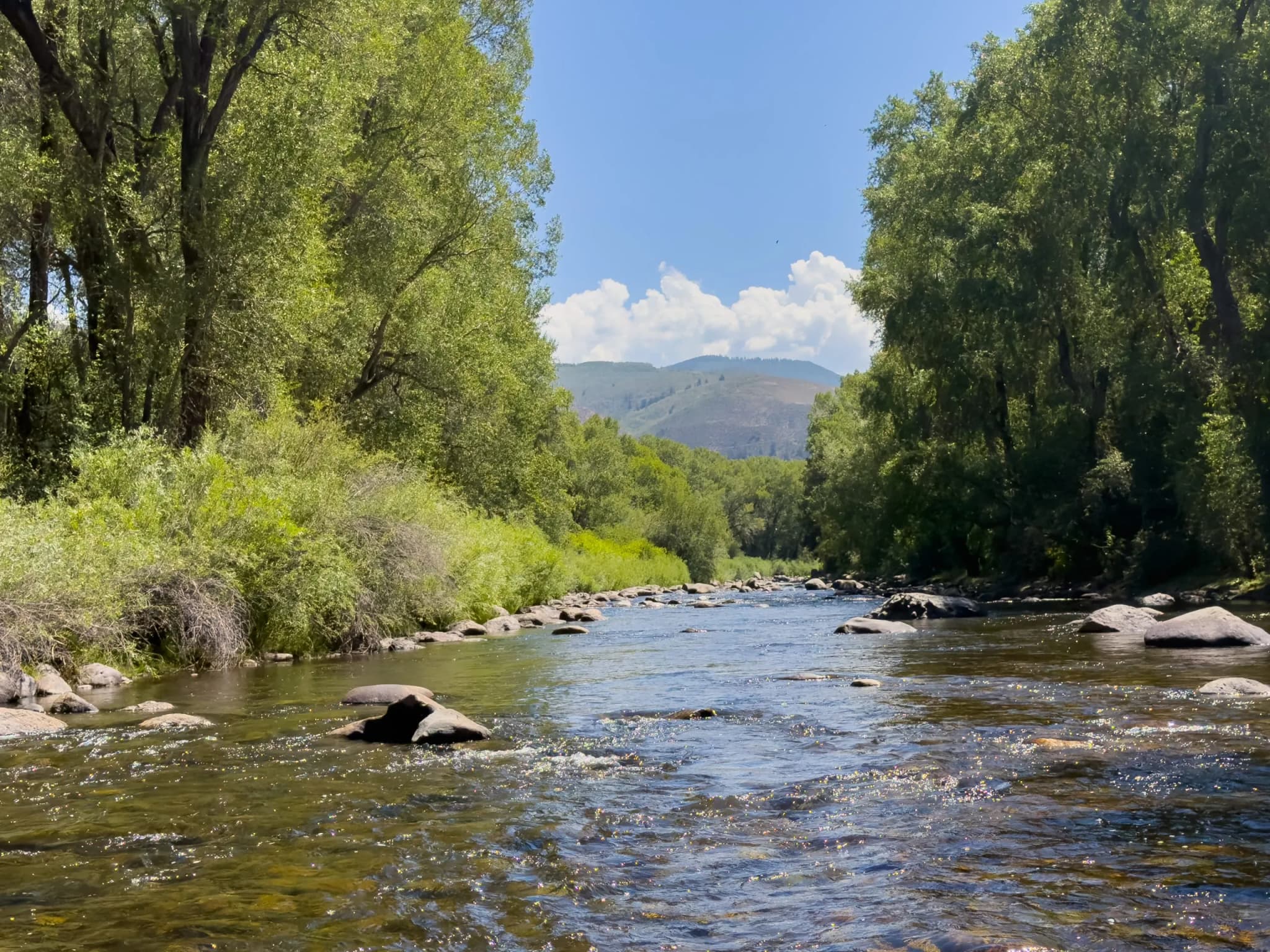
Mike Wever stood in the swift current of the Yellowstone River near Livingston, Montana, dipping his bare hand into the water. It wasn’t cold. The 62-year-old California resident wore shorts, not the customary waders, and he accepted the afternoon fishing closure with the pragmatic shrug of someone who knows the resource is finite.
“It’s great for us to have this resource,” Wever said. “But we have to manage it.”
That management is becoming the only thing keeping fish alive. Wildlife officials across the West are banning fishing during the hottest parts of the day, a direct response to record heat driving water temperatures to lethal levels for trout. The driver is twofold: an exceptionally dry winter that left rivers with less volume to absorb heat, and widespread drought that shrinks the water column, allowing it to warm more rapidly under the sun.
The scale of the disruption is unprecedented in Colorado. State officials have imposed restrictions this summer on 19 rivers totaling 635.5 miles. That’s not a minor adjustment to a few popular spots. That is a systemic shutdown of a significant portion of the state’s fly-fishing infrastructure. Yellowstone National Park expanded its own afternoon restrictions to cover the entire park on Wednesday, while neighboring Montana broadened its afternoon bans to cover 1,200 miles of rivers.
“Closures have become very common over the last decade plus, some might even say very routine from late June through early September,” said Adam Strainer, administrator of the fisheries division at Montana Fish Wildlife and Parks.
This isn’t a temporary anomaly. Yellowstone has restricted fishing due to high water temperatures during five of the past six years. The trend coincides with rising temperatures driven by human-caused climate change and increasingly severe droughts.
The ecological cost is high. Temperature-stressed rainbow or cutthroat trout can die if they’re out of water even briefly for a commemorative photo. Experts note that the stress of being netted, held for a picture, and released is often fatal when the water is already near its thermal limit. But the cost extends beyond biology. Trout fishing is deeply entwined with the local economy in Rocky Mountain communities.
Dan Gigone, who runs Sweetwater Fly Shop along the Yellowstone River, says the shift is altering customer behavior. Many visitors are pushing their trips to the fall to avoid low and warm summer water flows. The summer rush, once a guaranteed economic engine, is being rewritten by the thermometer.
For locals on the Western Slope, this means the familiar rhythm of summer fishing is fracturing. When 635.5 miles of Colorado rivers are under restriction, the impact isn’t just on the anglers casting lines. It’s on the guides, the shops, the lodges, and the restaurants that rely on the foot traffic. The water is warmer. The fish are fewer. And the window to catch them is shrinking.
Wever noted he was OK with the closures, but that acceptance doesn’t change the math. Lower water levels mean higher temperatures. Higher temperatures mean more stress on the fish. And more stress means fewer fish to catch next year, and the year after that. The routine is becoming the new normal.
Keep up with the Western Slope
The day's Western Slope news, one email each morning. Free.
Aspen's ACES Returns Annual Harvest Party to Rock Bottom Ranch
Glenwood Ghostwalk Brings Frontier History to Life in Linwood Cemetery