Colorado Considers Ban on Commercial Fur Sales Amid Debate
A proposed ban on commercial fur sales in Colorado has sparked a heated debate between conservationists and hunting communities, with the state's wildlife commission seeking public input before making a decision.
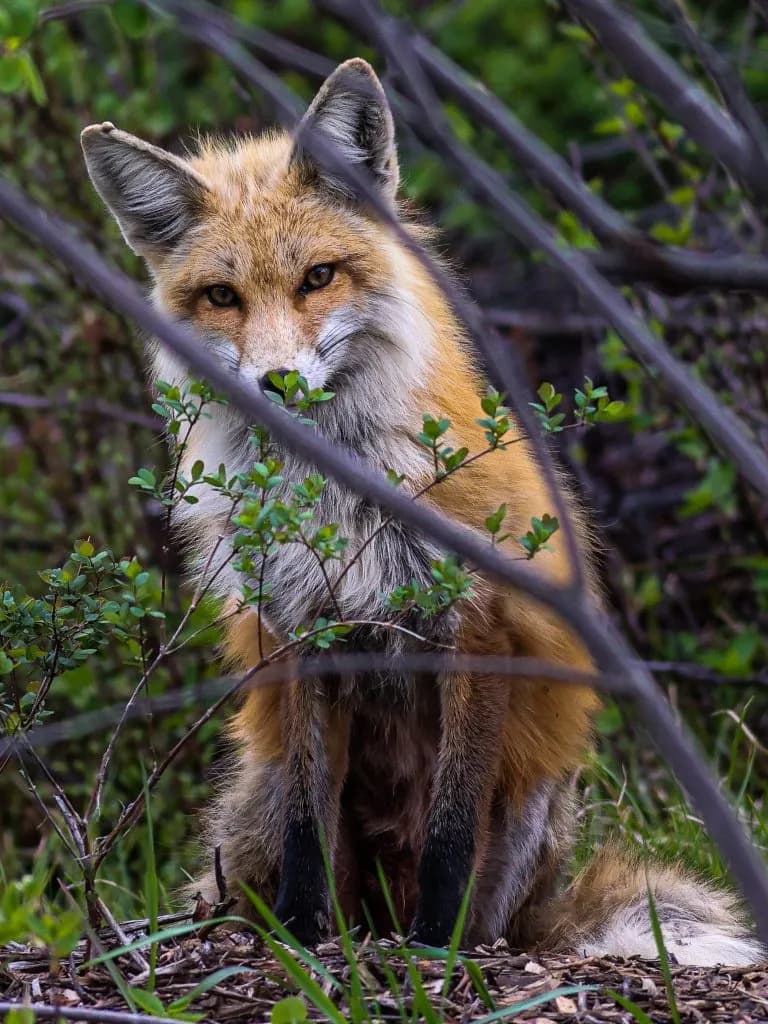
Craig —Standing on the banks of the Gunnison River, the sound of rushing water fills the air as a coyote howls in the distance — a reminder of the wildlife that calls Western Colorado home. The Colorado Parks and Wildlife commission is considering a ban on commercial fur sales, a move that could impact the way locals interact with these animals. This proposal, sparked by a citizen petition, has been met with both support and opposition from the community.
The petition, submitted by Samantha Miller, a Grand Lake resident and senior carnivore campaigner for the Center for Biological Diversity, aims to ban the commercial sale, barter, or trade of furs from 17 wildlife species, including foxes, beavers, and bobcats. Miller argues that allowing the commercial sale of furs incentivizes overharvesting and threatens biodiversity — a claim that has been debated at commission meetings for months. The proposed ban has been referred to as a "common sense change" by Miller, who believes it aligns with how Colorado manages other wildlife species.
Colorado Parks and Wildlife is seeking public input on the proposal, with a deadline of May 3 for comments on EngageCPW.org. The agency will use this input to inform its development of an issue paper, which will be presented to the commission at its July 16-17 meetings. As the commission considers the ban, it's worth watching how locals weigh in on the issue, particularly those who hunt and trap in the area. In 2024-25, the agency sold 19,620 furbearer permits, generating revenue from the sale of these permits, which cost $10 and are available to individuals with a small game license.
The short version is that the ban's supporters believe it will help prevent overharvesting, while opponents argue that the state's current management system is effective and backed by science. Laura Clellan, the newly-appointed director, has stated that the main rationale for denying the ban is the lack of solid evidence that commercial fur sales drive harvest levels in Colorado. This stance has been supported by opponents of the petition, who claim that the proposed ban represents a greater attack on hunting and trapping; traditions that are deeply rooted in Colorado's culture and support conservation efforts.
Make no mistake, the impact of this ban would be felt locally - particularly in areas like Delta County, where hunting and trapping are a way of life. The county's economy could be affected, as the ban might reduce revenue from fur sales and potentially impact local businesses that rely on the industry. The public comment period gives locals a chance to voice their opinions and shape the decision, and the outcome will have a lasting impact on the Western Slope.
The proposed ban has sparked a heated debate, with some arguing that it's a necessary step to protect wildlife populations, while others see it as an overreach of government authority. As the commission considers the ban, it's likely that the discussion will center around the balance between conservation and tradition. Read that again, the balance between conservation and tradition; it's a delicate one, and getting it right will be key to finding a solution that works for everyone.
As the public comment period comes to a close, the question on everyone's mind is: what's next? Will the commission implement the ban, or will it opt for a different approach? The answer, much like the coyote's howl, remains elusive - for now.
Keep up with Craig
The day's Western Slope news, one email each morning. Free.