Hantavirus Outbreak Spreads From Argentina to Cruise Ship
Three passengers died on a cruise ship from the Andes virus variant, which can spread between people. Health officials link the outbreak to rodent exposure in Argentina, warning that the serious, fast-progressing disease remains a risk for anyone cleaning infested spaces.
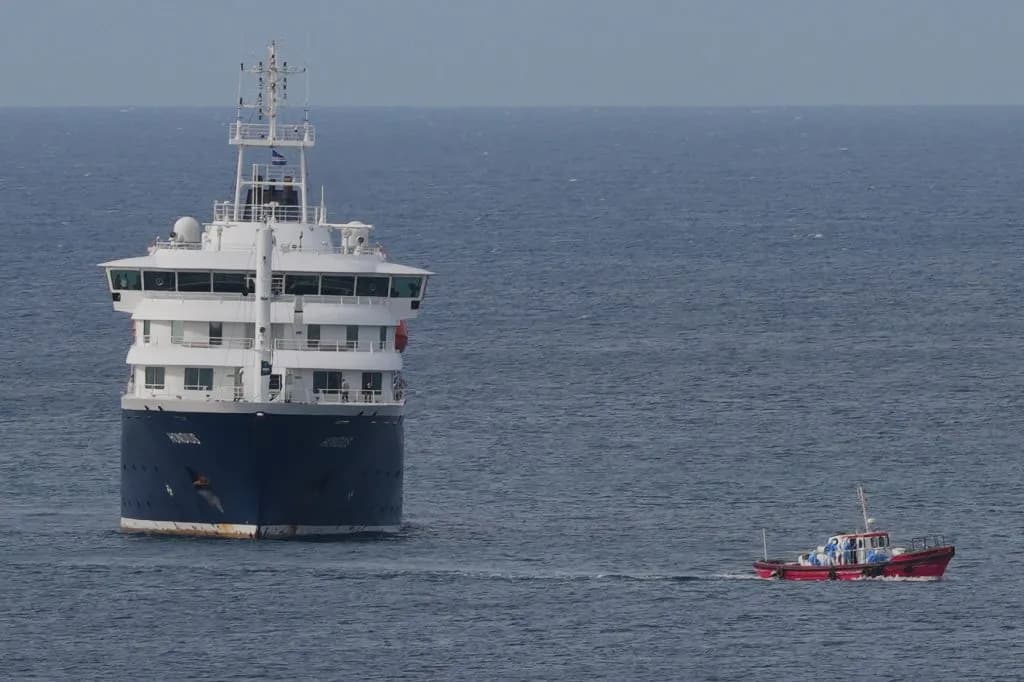
Aspen —Three passengers dead. One cruise ship. A virus that doesn’t just sit there waiting for you to clean your attic.
That’s the headline from the current hantavirus outbreak, and while global health officials are busy reassuring the general public that this isn’t the next pandemic, the data tells a different story for those actually on the boat. Maria Van Kerkhove, director of epidemic and pandemic preparedness at the World Health Organization, put it bluntly: “This is not the next COVID, but it is a serious infectious disease.”
Let’s look at the mechanics. Hantaviruses have been around for centuries. They’re rodent-borne. You inhale the residue of droppings, urine, or saliva when it gets disturbed and becomes airborne. It’s a cleaning hazard. It’s a shed-exploration hazard. It’s why you don’t breathe in mouse poop in a poorly ventilated cabin.
But this isn’t the standard hantavirus you pick up in your local New Mexico attic. This is the Andes virus. And it has a trick up its sleeve: it can spread between people. Rarely, yes. But enough to make health officials nervous.
The source of this specific outbreak is still under investigation, but the trail points south. Investigators in Argentina suspect the initial infections happened during a birdwatching trip in Ushuaia, at the country’s southern tip. Two officials told the AP this was the likely origin. Officials in Ushuaia are pushing back slightly, noting the virus hasn’t been previously detected in their province. But Argentina has seen a surge in cases, which local public health researchers attribute to climate change. Rodents move. Rodents breed. The weather shifts. The virus follows.
Compare this to COVID-19. COVID spread easily, even from people who weren’t showing symptoms. That made containment a nightmare in 2020. Hantavirus is harder to catch. It requires that specific inhalation of contaminated particulate matter. But once you’re sick, it’s potentially more dangerous. The illness starts with flu-like symptoms — fever, chills, muscle aches, maybe a headache. Then it ramps up. Rapidly. It can progress to hantavirus pulmonary syndrome, which is life-threatening.
Dr. Jeanne Marrazzo, chief executive officer of the Infectious Diseases Society of America, is still trying to pin down exactly how the Andes virus jumps from person to person. The theory? People are infectious when they have symptoms. If it spreads, it’s likely through small liquid particles blown out when an infected person talks, coughs, or sneezes.
So, what does this mean for the folks reading this on the Western Slope?
For context, this disease gained renewed local attention last year when actress Betsy Arakawa, wife of Gene Hackman, died from a hantavirus infection in New Mexico. We have the proximity. We have the rodents. We have the older homes with the drafty basements and the sheds full of mouse droppings.
The risk to the general public remains low. Most people will never be exposed. You don’t need to panic-buy masks or board up your windows. But you do need to pay attention to the cleaning. If you’re in a cabin, a shed, or a poorly ventilated room with a mouse problem, don’t just sweep the droppings up. Sweep them up, and you’ll stir them into the air you breathe. Vacuum. Wet them down. Breathe carefully.
The cruise ship outbreak is a specific event in a specific location. The Andes virus is the specific variant. But the mechanism is universal. It’s about rodents. It’s about air. It’s about how fast the illness progresses once you catch it.
Three people died on that ship. That’s a small number in the grand scheme of global travel. But it’s a large number for a disease that usually stays in the shadows of rural homes and agricultural sheds. The message from the WHO and the IDSA is clear: it’s serious. It’s rare. And it’s waiting in the droppings.
Keep up with Aspen
The day's Western Slope news, one email each morning. Free.