Colorado Lawmakers Reject Data Center Regulation Bill
Colorado lawmakers rejected a bill requiring data centers to pay for their power usage, leaving the industry with loose regulatory oversight despite concerns over grid strain and water use.
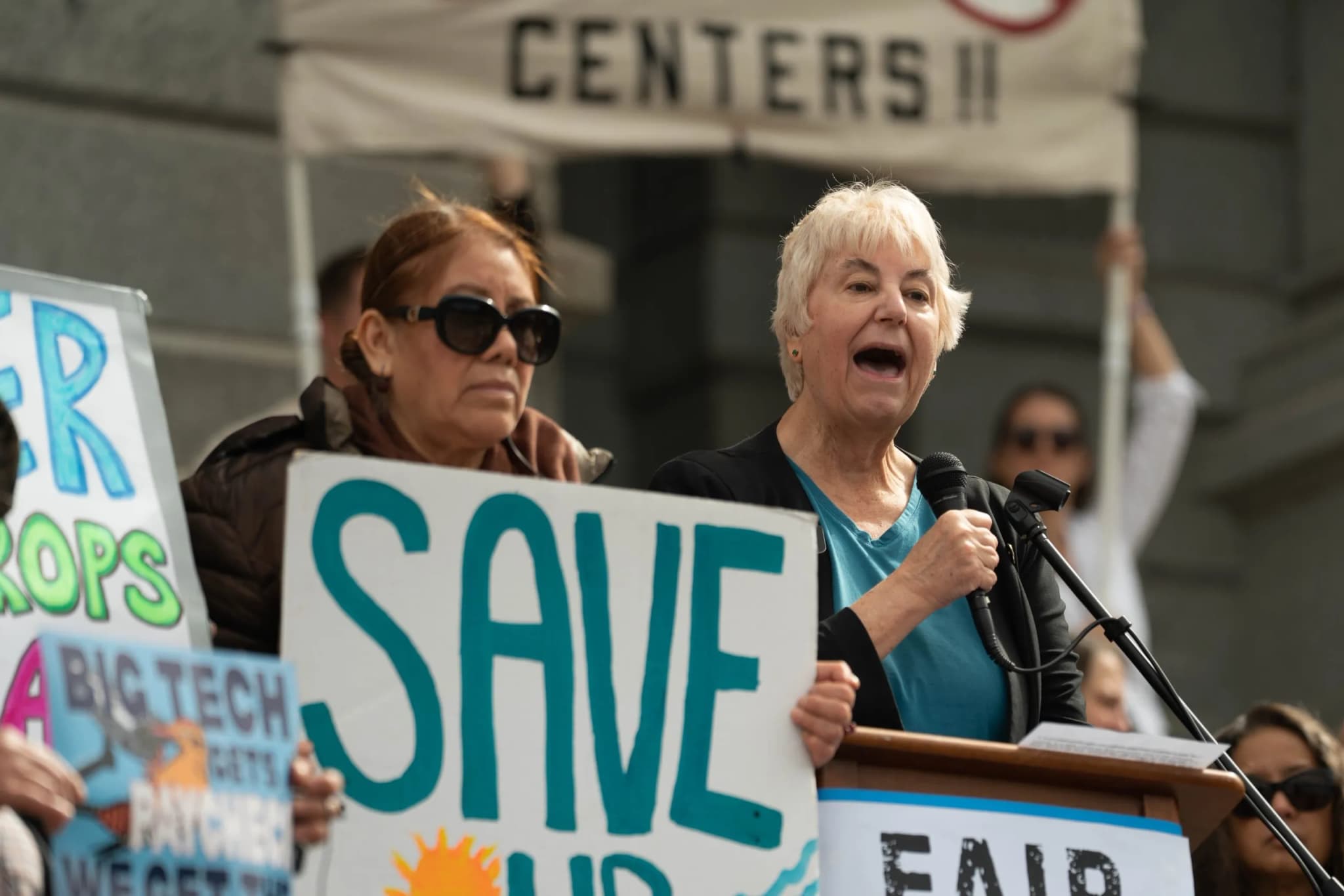
Colorado —The hum of servers is the new sound of progress in Colorado, a low-frequency thrum that promises connectivity and economic growth, but it also promises a heavier bill for the rest of us. On Monday, state lawmakers made it clear they are willing to let that hum continue unchecked, rejecting a last-minute effort to regulate the sprawling data center industry.
Senate Bill 102, the environmentalist-backed measure designed to force these tech giants to pay their way, was postponed indefinitely after the Senate Transportation and Energy committee voted it down unanimously. State Sen. Cathy Kipp, D-Fort Collins, who has been wrestling with this legislation for about a year, proposed the delay, signaling that the window for this specific version of the bill had closed. It was a sharp end to a long fight, one that Kipp vows to pick up again next session, but for now, the regulatory leash remains loose.
The core of the rejected bill was simple in its ambition: data center companies would have to pay the full cost of the power needed to run their facilities. They wouldn’t just be passive consumers of Colorado’s electricity; they would be accountable for it. The legislation also aimed to ensure that the explosion of data centers didn’t derail the state’s greenhouse gas emission reduction targets, those critical benchmarks intended to stave off the worst effects of climate change.
But the devil was in the details, and the details didn’t stick. To make the bill more palatable, Kipp added a tax incentive for data centers to the draft distributed over the weekend. The plan was to offer two available 15-year sales and use tax exemptions per year. These exemptions weren’t free passes; companies would have to compete for them based on clean energy usage, participation in grid resiliency programs, job quality, community benefits, and water efficiency. It was a carrot designed to sweeten the stick of full cost recovery.
It wasn’t enough.
In the final three days of the legislative session, the political math simply didn’t add up. The tax break didn’t sway enough lawmakers to overcome the resistance from the industry side. And it’s not hard to see why. A dueling bill, backed directly by the industry, offered a much larger prize: 20- to 30-year sales and use tax exemptions. That bill, sponsored by state Rep. Alex Valdez, D-Denver, and Sen. Kyle Mullica, D-Thornton, required companies to invest $250 million in infrastructure within the first five years and create an unspecified number of jobs paying at least 110% of the average local wage.
That industry-favored bill also met its demise in a committee hearing last week, but its existence highlights the tension. We have two competing visions for the state’s future. One, led by Kipp and Rep. Kyle Brown, D-Louisville, demands accountability for water, air quality, and electricity bills. The other, led by Valdez and Mullica, demands massive capital investment and job creation, offering decades of tax relief in return.
The failure of both bills leaves Colorado without any comprehensive data center regulations. We are left in a vacuum, where development can proceed without the oversight that Kipp argued was necessary. “Colorado communities are deeply worried about what this unrestrained development means for their water, their air quality, their electricity bills, their farmland and their neighborhoods,” Kipp said.
She’s right to point to the neighbors. When you look at the grid, you see the strain. When you look at the water tables, you see the potential drawdown. The industry wants to build; the regulators are currently asleep at the wheel.
Kipp didn’t mince words about the next step. “We will bring this bill back next session, but the industry needs to understand the moment,” she said. She wants these companies to come to the table understanding the harms their operations can cause, to be accountable for the strain on the grid and the communities that host them. It’s a promise to keep fighting, but it’s a fight that will take place in the quiet of committee rooms and the loud noise of public rallies, not in the immediate aftermath of this week’s vote.
The air in the Capitol chamber felt heavy with that specific kind of political exhaustion, the kind that comes when you know the battle isn’t over, but the war for control of the state’s energy future is just beginning. Outside, the wind picked up, carrying the scent of dry grass and distant rain, a reminder that while we debate taxes and exemptions, the physical world — water, air, land — keeps ticking along, waiting for us to catch up.
Keep up with Colorado
The day's Western Slope news, one email each morning. Free.
Federal Report Sets 200,000 Acre-Foot Water Conservation Target for Upper Basin

Colorado Parks and Wildlife Deploys Precision Drones for Weed Control