Colorado Diesel Hits $6.61 Amid 90% Spike
Colorado diesel prices surged 90% to $6.61 due to the Iran conflict, exposing a stark gap between the official 4% inflation rate and the actual cost of living for residents.
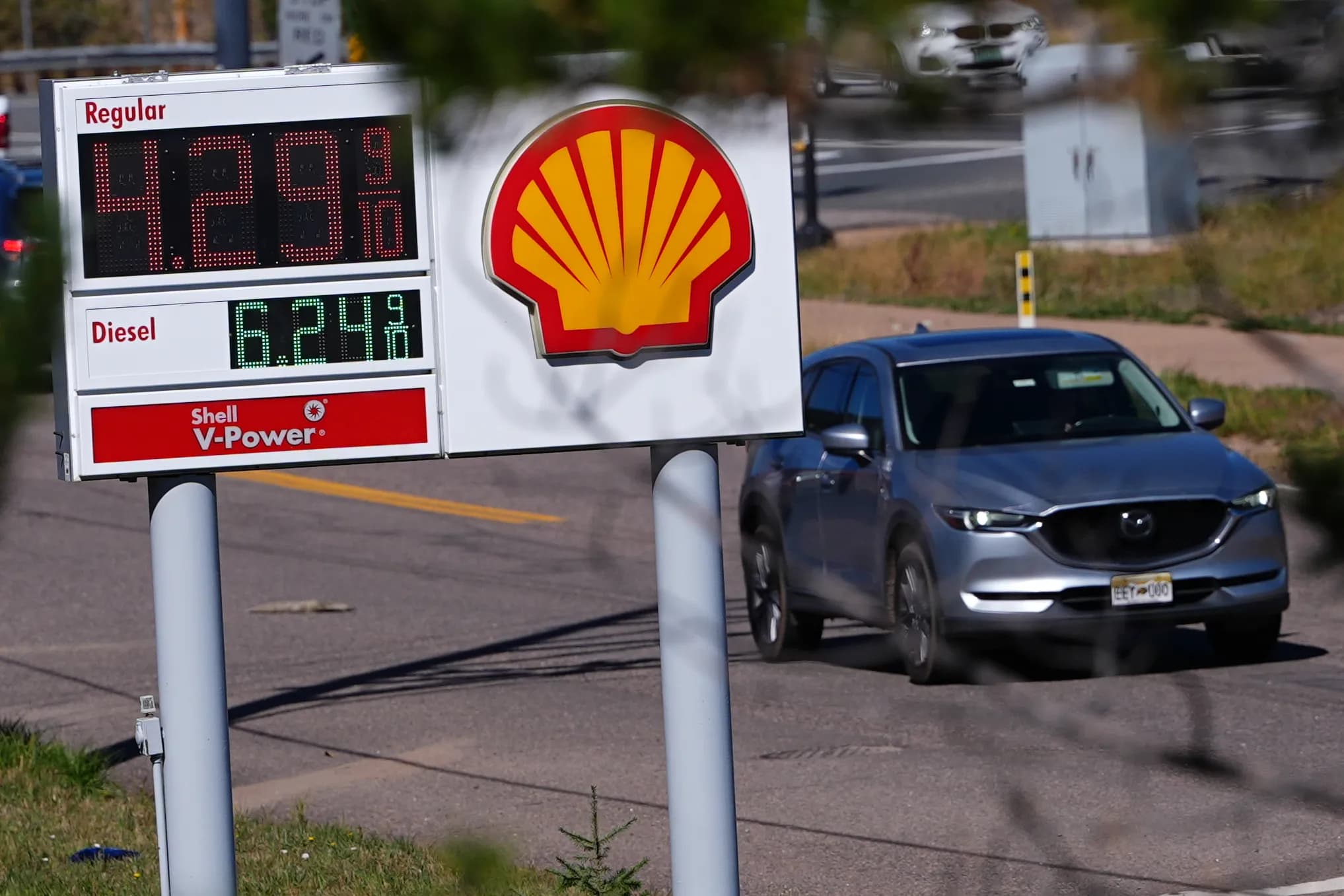
A gallon of diesel in Colorado now costs $6.61. That represents a 90.3% increase since February, driven by the war in Iran. For most people reading this on their phone while commuting through Denver traffic, that number sounds like a headline for a different economy. It is not. It is the reason your gas bill jumped 29% year-over-year, and it is the reason the official 4% inflation rate feels like a lie.
The Bureau of Labor Statistics reported that the Denver-area’s annual overall inflation rate in September was 4%. On paper, that is a manageable number. In practice, it is an average of items you might not have bought in months. The CPI tracks the same basket of goods every month, whether you purchased them or not. If you didn’t buy a used car, the 1.4% drop in that category does not lower your personal inflation rate. If you didn’t replace your sofa, the 3.6% rise in household furnishings doesn’t hit your wallet. If you aren’t paying college tuition or childcare, those fluctuations are noise to you.
Robert Elliott, a Loveland resident, noticed the disconnect immediately. His favorite snack, wasabi and soy almonds, went from $7.49 to $10.49 in a year. That is a 40% jump, not 4%.
“It’s something I buy once every month or so. But overall, I do feel like my grocery bill is up by 40%,” Elliott told the Colorado Sun. “It’s impacted me in terms of stress, but I’m not in the position that many people are in, where it’s, you know, food or the electricity bill. I can absorb this.”
Elliott realized he doesn’t get out as much as he used to. He skips movies, cuts back on entertainment, and drives less. “Maybe this is just a psychological thing,” he said. “You notice the things that go up more than you notice the ones that don’t. But a lot of times when I see something go up, it’s not by 4%. It’ll be $1, $2 or $3, which translates to 40 or 50%.”
The math is brutal for those who can’t just drive slower. Jim and Dave White operate JFW Corp., a family trucking company in Commerce City with 110 trucks. They don’t have the option to skip a commute or drive 5 mph under the limit. Their trucks run on diesel, not gasoline. Since the conflict in Iran began on Feb. 28, a gallon of unleaded gas in Colorado has increased 56% to $4.46, according to data from travel company AAA cited by the Colorado Sun. Diesel is up 90.3% to $6.61.
Gasoline and diesel fuel now account for 34% of JFW Corp.’s total expenses this year. The White brothers said they have had to tap into emergency funds when fuel surcharges didn’t cover the added costs. They may have to forego raises in the new year.
This is why the 4% figure feels detached from reality. The CPI smooths out volatility by averaging across hundreds of categories, including those that are falling or stagnant. Used car prices fell 1.4%. Nonalcoholic beverages rose just 0.5%. Alcoholic beverages rose 5.8%. But for a trucking company, the only number that matters is diesel, and that number has nearly doubled. For a household, the most visible spikes are in food and fuel, which often move faster than the headline average.
The official rate is a statistical artifact. It tells you what happened to a hypothetical basket of goods, not what happened to your specific spending habits. If your biggest expenses are fuel and food, your personal inflation rate is likely well above 4%. The gap between the headline number and the reality at the pump or the grocery store is where the stress lives.
For locals, the practical impact is a squeeze on discretionary spending and a direct hit to profit margins for small businesses. The 4% average is a useful benchmark for monetary policy, but it is not a measure of your livelihood. When diesel costs $6.61 and gas costs $4.46, the 4% figure is a rounding error in your monthly budget.
Keep up with the Western Slope
The day's Western Slope news, one email each morning. Free.