Colorado Election Workers Train for Potential ICE Polling Place Visits
Colorado election workers in Denver and Boulder are training to de-escalate potential encounters with ICE officers, despite low odds given the state’s heavy reliance on mail-in voting.
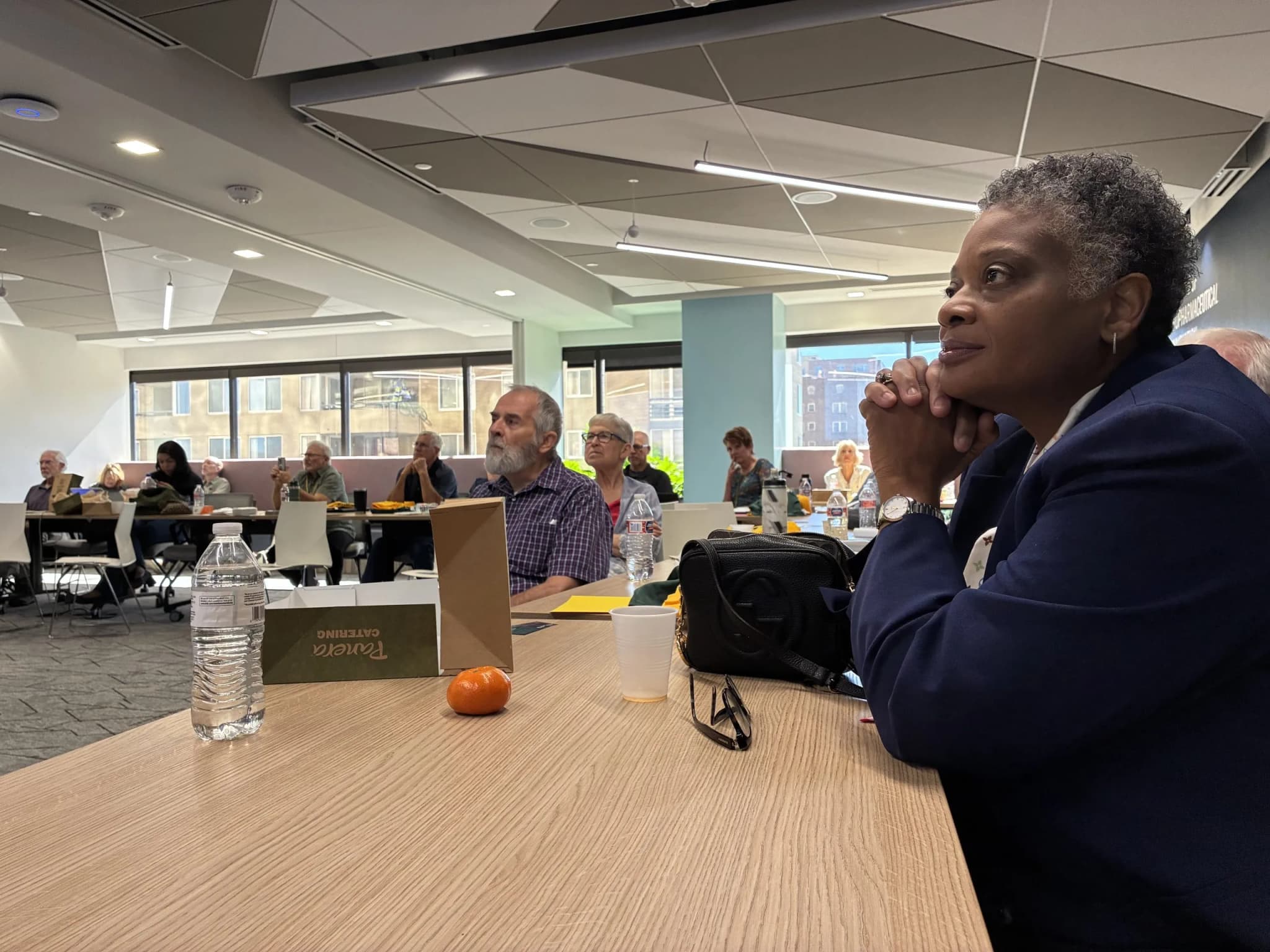
The parking lot of the Boulder County clerk’s office is empty, but the anxiety isn’t. It hums in the fluorescent lights of the training room where election workers are learning to spot a badge before a voter spots a fear. They are practicing de-escalation. They are documenting presence. They are preparing for a ghost that might not show up.
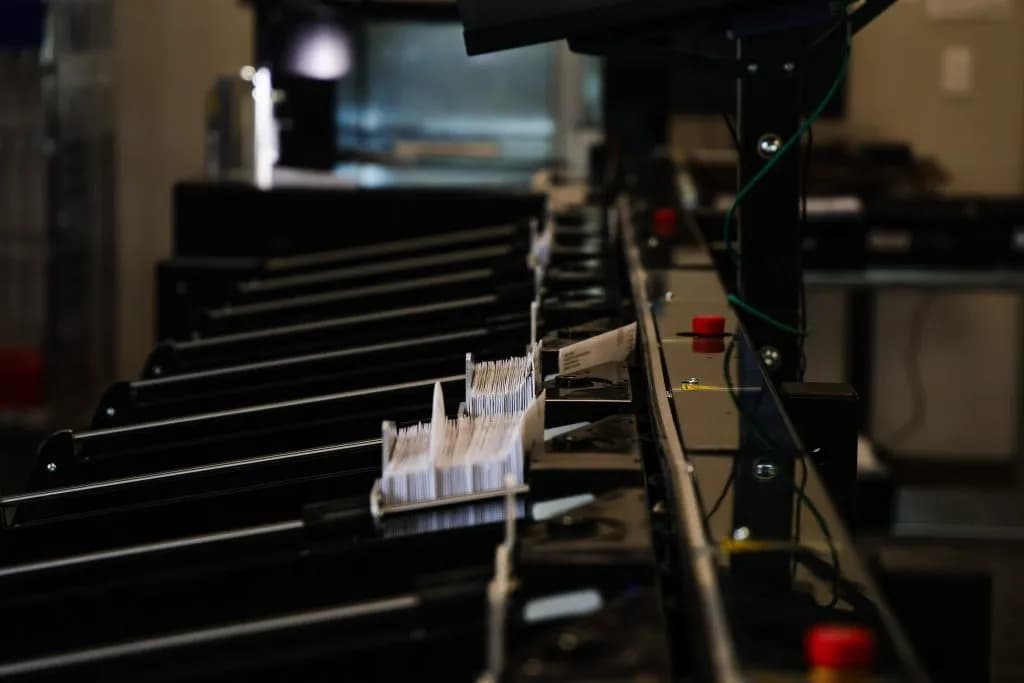
A strange calculus for a state that relies on the mail. About 90% of Colorado voters never step foot inside a polling place on Election Day. They get a ballot in the envelope. They drop it in a box or send it back through the Postal Service. So, if U.S. Immigration and Customs Enforcement officers were to stake out a voting location in Denver or Boulder, they would be intimidating a fraction of the electorate. The odds of an officer actually stopping a voter from casting a ballot are remote. State officials know this. They say the likelihood is low.
But they are preparing anyway.
In Denver, which has gone to court to try to block ICE officers from voting locations, the strategy is specific. Workers are being trained to watch out for immigration officers, document their presence, and de-escalate any interactions. It is a tactical response to a political threat. The city is suing to make sure the feds stay away, but the ground-level staff are ready to handle the friction if the lawsuit fails.
Boulder County is taking a different angle. Clerk Molly Fitzpatrick, a Democrat, posted a video with Sheriff Curtis Johnson and District Attorney Michael Dougherty. Her instruction to voters is simple: if you see ICE officers at your voting place, alert her office. Or call 911 if you feel unsafe.
“Our approach is to de-escalate and redirect the situation to ensure that voting continues to happen in a manner that supports voters and reduces harm and the risk of violence,” Fitzpatrick said.
It is a direct appeal to the community. It acknowledges the fear. It gives people a specific action to take. It doesn’t promise the officers won’t come; it just tells you what to do if they do.
Eagle County is folding the issue into general emergency training. Officials there address questions about ICE alongside blizzards, wildfires, and delays. Clerk Becky Close, who is unaffiliated, noted that their judges are civically minded and pay attention to current headlines. Addressing these topics is necessary to ensure they are fully prepared to keep voting smooth, neutral, and secure.
The backdrop is national. The Trump administration’s involvement in immigration enforcement and elections is unprecedented in recent history. It culminates in the Jan. 6, 2021, attack on the U.S. Capitol. Last month, Homeland Security Secretary Markwayne Mullin said ICE officers have the authority to go to polling places if there’s a threat or if they’re serving a warrant. He accused Democrats of “fearmongering.”
The Department of Homeland Security stated that ICE isn’t planning operations targeting polling locations. But it left the door open to arrests if there was an active public threat.
Back in Boulder, the training room is quiet now. The workers have their clipboards. They have their protocols. They are ready for the blizzard. They are ready for the wildfire. And they are ready for the badge. The ballot boxes are waiting. The mail is coming. The polling places are open. The officers might not come. But if they do, someone will be watching. Someone will be writing it down. Someone will be telling the voters what to do. The preparation is complete. The uncertainty remains.
Keep up with the Western Slope
The day's Western Slope news, one email each morning. Free.