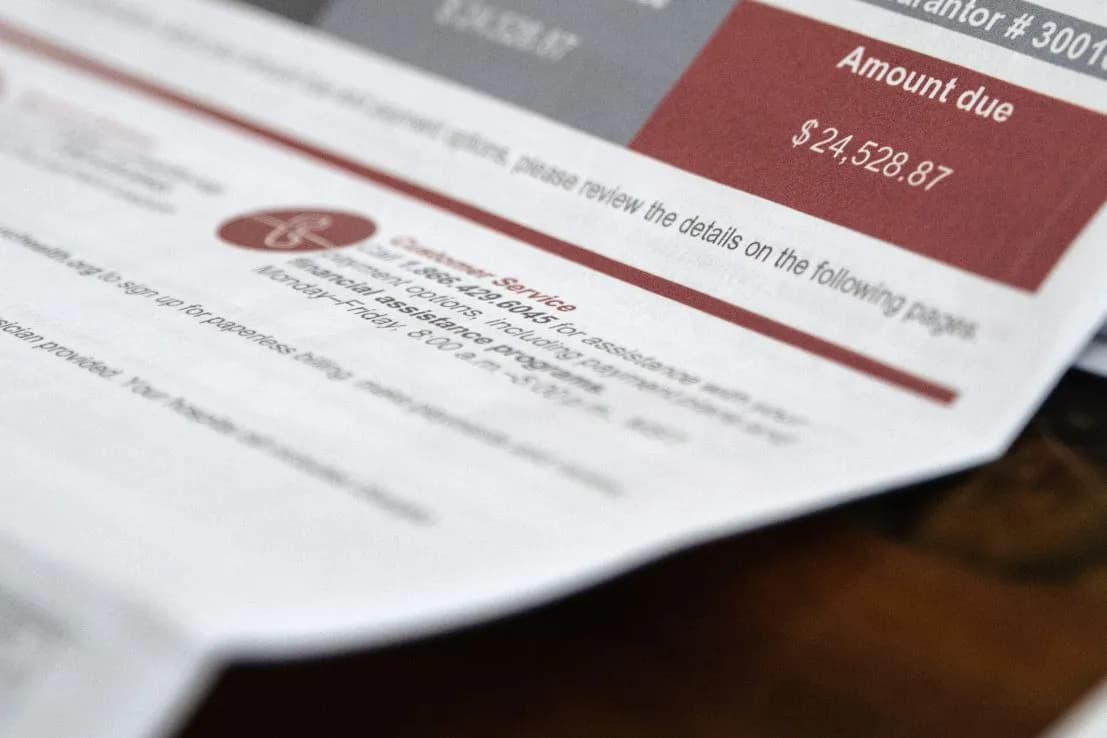
Colorado Faces $1.5 Billion Deficit as Medicaid Cuts Drive Budget Squeeze
Jesse Paul breaks down Colorado's $1.5 billion budget deficit, identifying Medicaid as the primary driver of the shortfall and detailing the widespread cuts to maintenance, education, and job retention programs.
Colorado —“Medicaid is definitely going to see a lot of cuts. That is driving the state’s budget deficit.”
Jesse Paul didn’t mince words when he broke down the anatomy of Colorado’s financial bleeding. The state’s coffers are facing a $1.5 billion shortfall, a gap that the legislature is scrambling to close in the coming weeks. The final number on the table? $46.8 billion. It sounds like a lot until you realize that’s the entire operating budget, and every dollar is being fought over in committee rooms where the air conditioning hums louder than the arguments.
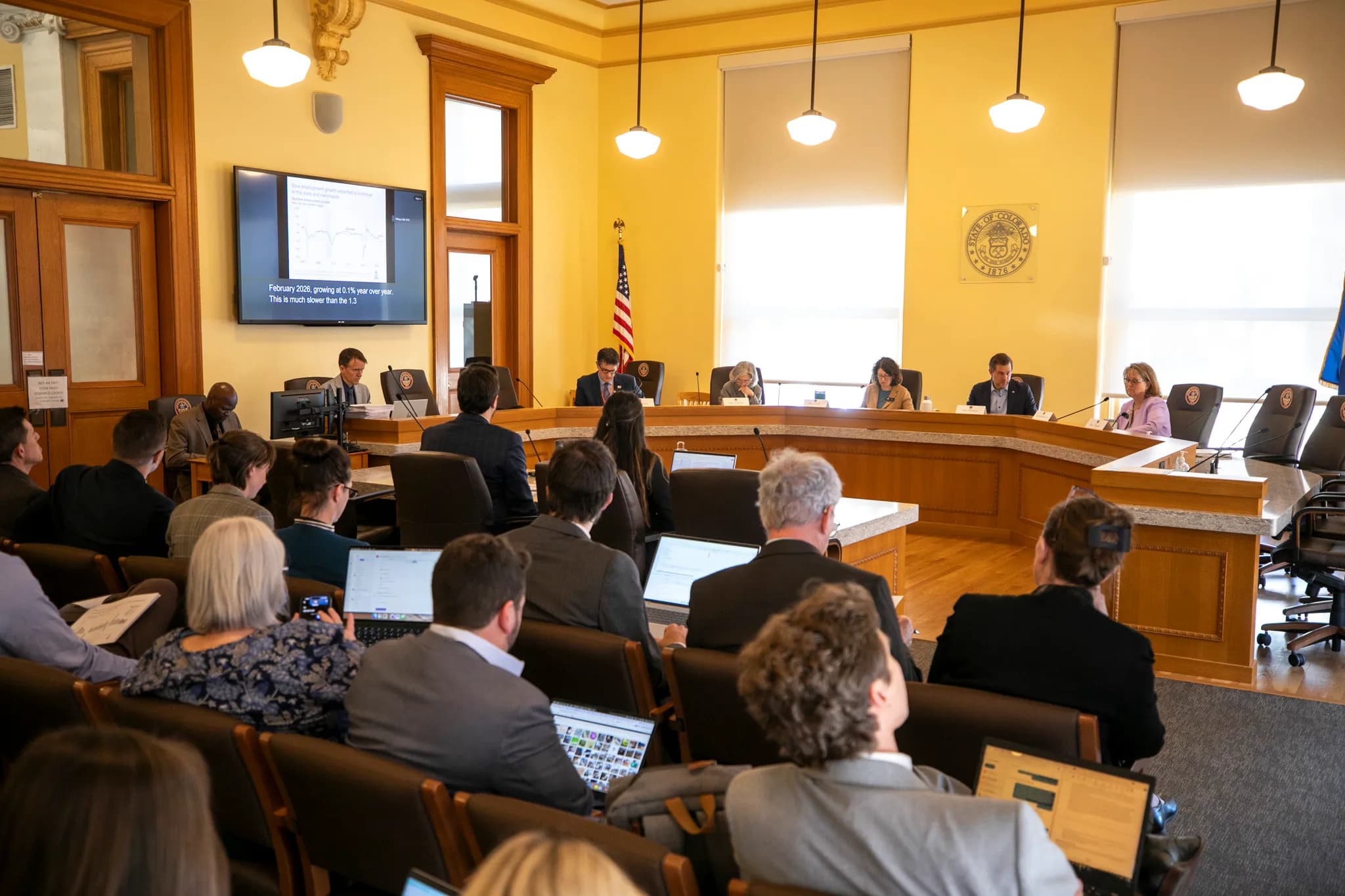
The Joint Budget Committee, that six-member bipartisan panel tasked with drafting the fiscal blueprint, finished its work last week. They were late. Not by much, but late enough to signal that balancing the books wasn’t just a math problem — it was a political tightrope walk. The committee had to decide which programs to trim, which to slash, and which to let bleed out. And Medicaid? It’s the elephant in the room, or rather, the hemorrhaging artery.
Here’s the thing though: Medicaid isn’t just a line item. It’s the primary driver of the deficit. Costs have surged past what the Taxpayer’s Bill of Rights (TABOR) allows for annual growth. And it’s not just natural aging or healthcare inflation. The legislature expanded Medicaid offerings in recent years, compounding the pressure. Republicans in Congress changed some rules last year through the One Big Beautiful Bill Act, but those changes won’t bite us until future years. Right now, we’re stuck with the bill.
But don’t think this is just a healthcare story. The cuts are spreading like a cold front across the state. Maintenance on state buildings? Cut. Sexual education programs for kids? Trimmed. Job retention programs? Gone. You name it, they’re cutting it. The budget will technically increase next fiscal year over this one, but that’s only because the baseline is rising. The state doesn’t have enough money to maintain current services, let alone expand them.
Picture this: a local school district in Delta or Montrose watching its health education budget shrink. Or a family relying on job retention support to stay afloat during a layoff, only to find the program reduced. These aren’t abstract numbers in Denver. They’re real impacts on real neighbors.
Gov. Jared Polis weighed in on Reddit, adding his voice to the chorus of answers, but the reality on the ground is stark. The budget takes effect July 1. That’s less than three months away. By then, the cuts will be law. The question isn’t whether the money will run out. It’s who pays the price.
The JBC draft is done. The General Assembly will now take over, debating and approving the details. But the direction is clear. We’re cutting back. Not just a little. A lot. And Medicaid is leading the charge.
It’s not just about balancing the books. It’s about what we’re willing to sacrifice to do it. And right now, the sacrifice is coming out of our pockets, our schools, and our health systems. The $1.5 billion shortfall isn’t just a deficit. It’s a choice. And we’re making it now.
Keep up with Colorado
The day's Western Slope news, one email each morning. Free.



Federal Report Sets 200,000 Acre-Foot Water Conservation Target for Upper Basin

Colorado Parks and Wildlife Deploys Precision Drones for Weed Control