Colorado Farmers Sabotage Rain Gauges To Fake Drought Insurance Payouts
Farmers in Baca County and nearby Kansas towns sabotaged rain gauges with silicone and cake pans to fabricate a drought, securing millions in federal crop insurance payouts.
Storm clouds churn violently over the sagebrush plains of Baca County, a landscape so arid that even the promise of rain feels like a lie. For years, that lie was manufactured by hand.
Let’s do the math. Between the winter of 2016 and the spring of 2017, U.S. weather experts tracked a bizarre anomaly across southeastern Colorado and southwestern Kansas. Storm cells gathered over towns like Springfield, Coolidge, and Syracuse, yet the official precipitation records showed zero accumulation. It wasn’t a sensor glitch; it was vandalism.
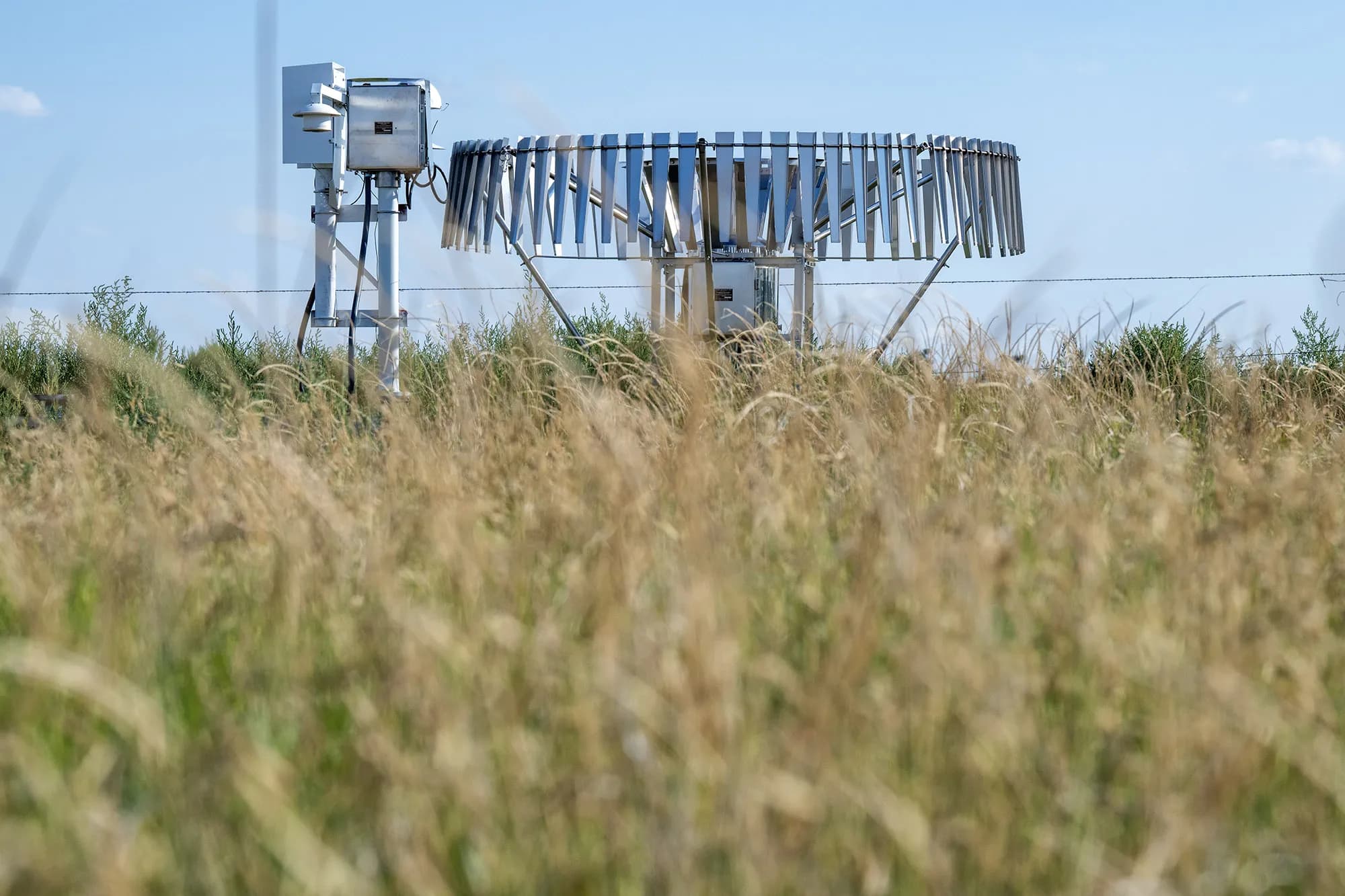
Field technicians from the National Weather Service and the U.S. Geological Survey began logging repairs that defied explanation. On New Year’s Day 2017, crews in Syracuse, Kansas, found the signaling wires to the rain gauge had been cleanly cut. By February, wires were severed again in Coolidge. In March, an employee in La Junta discovered a hole punched directly through the brass collector of a gauge. Back in Syracuse, a funnel meant to measure rainfall had been stuffed with silicone. The next day, in Springfield, a standard NWS gauge was simply covered by a cake pan.
From Elkhart, Kansas, to Ordway, Colorado, more than a dozen repair tickets surfaced during that single spring. Silicone plugs, baking pans, and metal plates were deployed like umbrellas to block the sky. One gauge had all its bolts loosened specifically so the tipping bucket would flip without triggering the electrical circuit. As Jennifer Stark, the local director for the Pueblo weather office, noted, the situation moved from bewilderment to a gutted sense of betrayal.
For context, this wasn’t just petty mischief. Authorities eventually concluded that local farmers were systematically destroying vital weather data to falsify drought conditions. By proving the land was drier than it actually was, they could claim millions of dollars in taxpayer-funded crop insurance. The rain gauges didn’t just measure water; they measured trust. When you punch a hole in the brass, you’re telling the federal government that the sky is empty.
In practice, the cost of that fraud lands on everyone who pays into the crop insurance program. The "wrecked" gauges were the physical evidence of a financial crime that turned meteorology into a legal dispute. The whistleblowers were the field techs who kept finding cake pans in the rain. The million-dollar payouts were the result of a drought that never happened. And the manhunt? That’s what happens when you realize the people who told you it was dry were the same ones who sold you the insurance against the wet.
The bottom line for folks in the valley: when your local weather station reports a drought, check who maintains the gauge. If the last repair ticket mentions silicone or a cake pan, your property tax assessment might be based on a lie.
Keep up with the Western Slope
The day's Western Slope news, one email each morning. Free.