Colorado Farmworkers Face Pay Cut Due to Federal Rule Change
A new federal rule change has resulted in a pay cut for thousands of migrant farmworkers in Colorado, affecting their daily lives and the local economy.
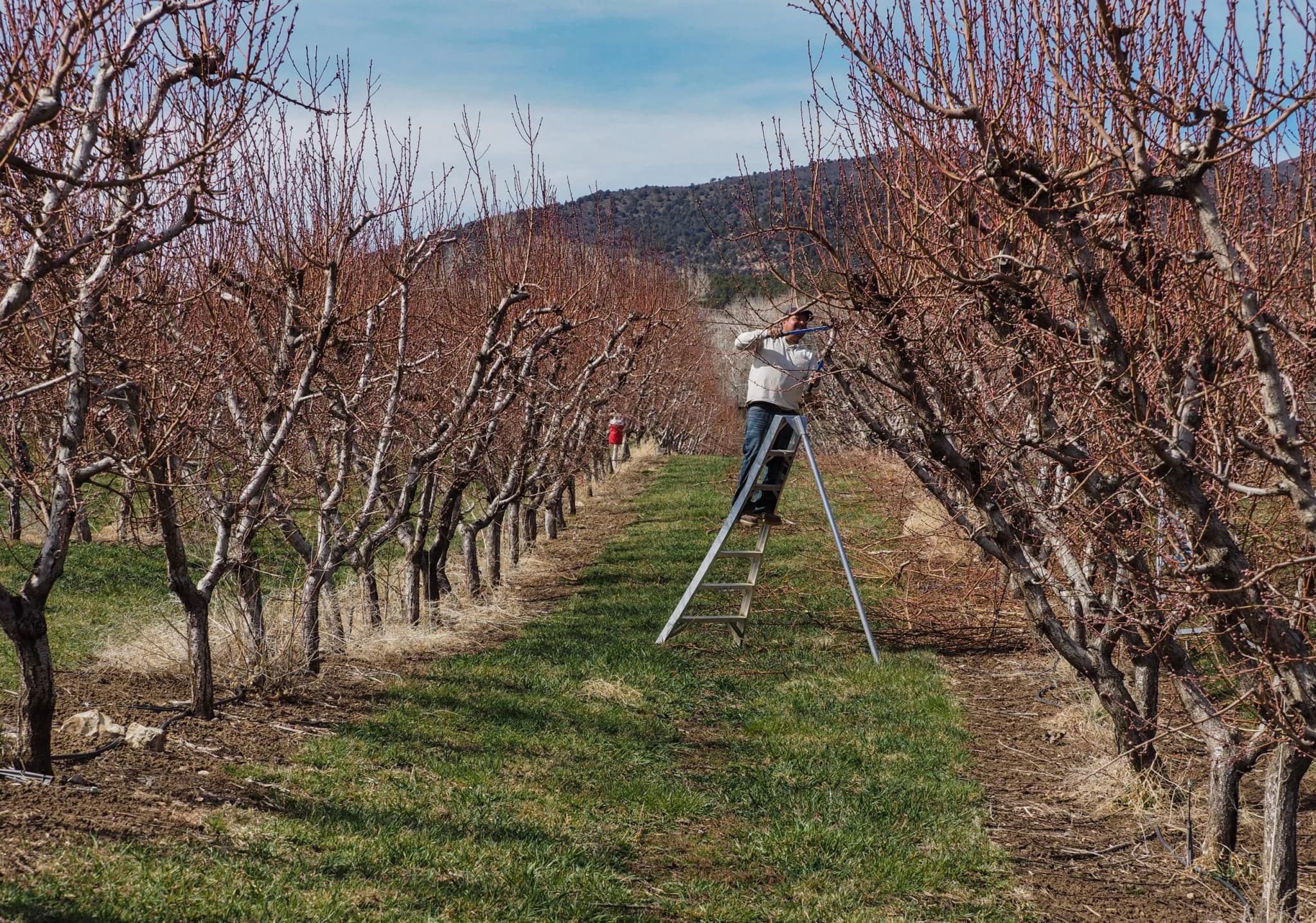
Colorado —As I stood in the orchard at Orchard Valley Farms in Paonia, watching a worker prune peach trees on a crisp March morning, the sound of birds chirping and the gentle rustle of leaves in the breeze filled the air, I couldn't help but think about the people behind the produce. The migrant farmworkers who toil in Colorado's fields and orchards each year, often under the radar, are the backbone of our local food system. But a recent federal rule change has left many of them facing a pay cut, a reality that's hard to swallow, especially when you consider the long hours and physical labor that come with the job.
The U.S. Department of Labor's new rule allows employers to pay H-2A seasonal workers $2 to $3 less per hour if they receive housing as part of their work contracts. This change, which affects an estimated 3,500 H-2A workers in Colorado, has been dubbed a "downward compensation adjustment" by the federal government. But let's call it what it is – a pay cut. For workers who earned $17.84 per hour last year, this means a decrease to $15.16 per hour, a significant drop that will undoubtedly be felt in their daily lives.
As I spoke with Liz Talbott, who handles accounting for H-2A workers at Talbott Farms in Palisade, I sensed a mix of frustration and resignation. "We can't call it a pay deduction. It's a housing adjustment to the wage," she said, her words echoing the careful language used by the Department of Labor. But the reality is, the paychecks are simply smaller, and that's a fact that can't be sugarcoated.
The impact of this rule change will be felt across the Western Slope, where many farms and orchards rely on H-2A workers to bring in their crops. In Delta County, for example, the agricultural industry is a significant contributor to the local economy. The pay cut will likely have far-reaching consequences, affecting not just the workers' take-home pay but also their overall quality of life.
As I drove through the North Fork Valley, I noticed the vibrant colors of the orchards, the smell of fresh soil and blossoming trees filling the air. But I also saw the rough edges – the worn-out farm equipment, the weathered buildings, and the tired faces of the workers. The agricultural industry is not just about producing food, but also about the people who work tirelessly behind the scenes, their labor and dedication essential to the process.
Gwen Cameron, who employs 11 H-2A workers at her Rancho Durazno orchards in Palisade, has opted to keep wages at the same level as last year, despite the new rule. "We are not changing it," she said, her voice firm. "We can still be profitable." This decision speaks to the humanity of the issue, recognizing that these workers are not just statistics or line items on a budget, but people who deserve to be treated with dignity and respect. The resilience and determination of these workers are evident in their faces, and their value extends far beyond their hourly wage.
The sound of the wind rustling through the orchard, the smell of fresh earth and blossoming trees, and the sight of workers tending to the land with care and precision – these are the things that stay with me, long after I've left the farm behind. In this moment, I'm struck by the warmth of the people and the place, and the hard work that goes into bringing food to our tables. As I walk away, I'm left with the image of a worker's hands, worn and weathered, yet gentle as they prune the peach trees, a symbol of the careful labor that nurtures the land.
Keep up with Colorado
The day's Western Slope news, one email each morning. Free.
Federal Report Sets 200,000 Acre-Foot Water Conservation Target for Upper Basin
Colorado Parks and Wildlife Deploys Precision Drones for Weed Control