Colorado Fourteeners Hiking Counts Fall to Ten-Year Low
Hiking counts on Colorado’s fourteeners dropped to a ten-year low of 256,000 in 2025, down from pandemic highs, as wildfires and road closures curb the surge while accessibility remains strong.
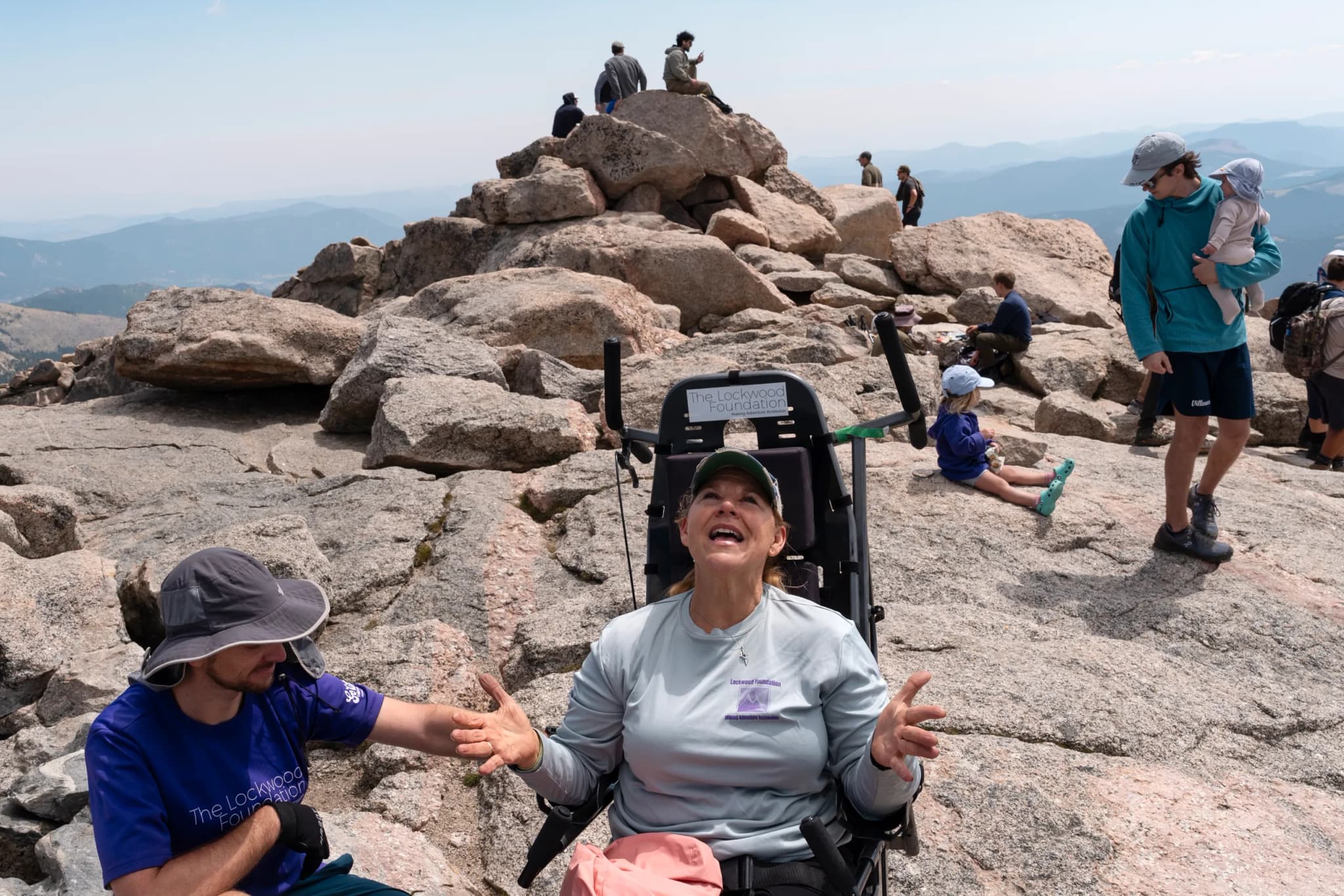
Chris Layne sat on the summit of Mount Blue Sky on Aug. 1, 2026. He had just been assisted to the top by the Lockwood Foundation. The group was climbing all of Colorado’s 14,000-foot peaks for the state’s 150th anniversary. Layne had a spinal cord injury from a 2016 accident. His presence on the peak was a triumph of access.
It was also a snapshot of a broader, quieter trend.
Hiker counts on Colorado’s fourteeners have fallen to a ten-year low. That’s fine.
The Colorado Fourteeners Initiative reports around 256,000 people climbed the state’s highest peaks in 2025. It is the lowest tally since the group began using trailside counters in 2015. The number is far from the "half a million" figure the group used to trumpet. Lloyd Athearn, who took over the initiative 17 years ago, called that old number a "totally inaccurate, wild-ass guess."
He started counting for real. First with handheld clickers. Then in 2014, his crew installed thermal people counters on five peaks. There are 20 infrared sensors on trails now. The system gives precise, if not exact, numbers.
The surge around the pandemic is gone. In 2020, more than 415,000 people clambered up the mountains. That crowd triggered landowner closures over liability fears. Communities added shuttles. They restricted parking. They worked overtime to manage the traffic.
Now, the traffic is returning to normal. But it’s not the same normal. It’s erratic.
Wildfires closed trails. The road up Mount Blue Sky is closed. These obstacles pinch the flow of hikers. They keep the numbers down.
Athearn says the group is seeing a "solid number of people out on the fourteeners." It happens over essentially four months. It’s a critical mass of people from all over the world. They are hiking. They are loving these peaks.
But the road to the summit is no longer guaranteed.
"We need to be prepared for the erratic nature of these one-off things like fires and construction projects," Athearn said.
The data shows a clear drop from the peak years. The 2025 count of 256,000 is a stark contrast to the 415,000 of 2020. It’s not a collapse. It’s a correction. The mountains are still crowded. They are just less crowded than they were at their busiest.
Locals who remember the gridlock at Trail Ridge Road or the parking lots at Mount Elbert know the difference. The silence on the trails is a relief. It’s also a sign of change.
The Lockwood Foundation’s effort to climb all the peaks highlights the diversity of those hitting the trails. Layne’s ascent wasn’t just about fitness. It was about inclusion. It was about proving that the peaks belong to everyone, not just those who can hike them unassisted.
The numbers don’t lie. The crowds have thinned. The access remains. The challenges are different now. They come from the sky, not just the street.
Athearn’s modeling system is more confident than ever. The locations are mapped. The counts are verified. The story is simple. Fewer people are on the peaks. That is not a failure. It is a fact.
The question isn’t whether the numbers will bounce back. It’s whether the infrastructure can handle the next surge. Or the next fire. Or the next closure.
The mountains are still there. The hikers are still coming. They are just coming in smaller, more manageable groups. And that is fine.
Keep up with the Western Slope
The day's Western Slope news, one email each morning. Free.