Colorado Parks and Wildlife Distributes $11 Million in Habitat Funding
Colorado Parks and Wildlife announces $11 million for the 2026 cycle, using hunter-paid habitat stamps to secure public access and keep agricultural land from subdivision.
Aspen —The state isn’t just buying land anymore. It’s buying your silence.
Colorado Parks and Wildlife (CPW) is handing out $11 million this cycle to private landowners. The deal is simple: keep the developers off your back, and let the public hunt on your dime. It’s a transaction disguised as conservation.
The agency announced the 2026 funding cycle on Tuesday, June 16. Applications are open. The goal is to protect wildlife habitat and secure public access on private property. But look closer at the ledger. This isn’t just about elk or trout. It’s about keeping agricultural land from turning into subdivisions.
Brien Webster, chair of CPW’s Habitat Stamp Committee, calls it a "remarkable return on investment." He’s right. The program has been running for 20 years. It has invested over $213 million total. That money protected almost 350,000 acres of habitat. It secured nearly 200,000 acres of public access for hunting, fishing, and viewing. It added 393 miles of new stream frontage for anglers.
That’s a lot of acreage. But who pays for it?
The Colorado Wildlife Habitat Program is funded by habitat stamps and Great Outdoors Colorado lottery funds. Everyone buys a stamp. But almost everyone who buys a stamp is a hunter or angler.
Webster dropped the numbers for 2024. More than 635,000 stamps sold. Only 570 were bought by non-consumptive users. That means hunters and anglers contributed over $7.7 million. Non-licensed buyers contributed less than $7,000.
Read that again. Hunters and anglers are funding the vast majority of this $11 million pot. They are paying to keep their own access open. It’s a closed loop. The public gets to walk on private land; the landowner gets cash to avoid selling to the highest bidder.
Amanda Nims, who manages the habitat program, outlined three ways this money moves. First, fee title acquisition. CPW buys the property outright. It becomes state land. Second, conservation easements. The landowner keeps the deed but can’t develop it. Third, public access easements. Landowners let the public use their land for hunting or fishing, either forever or for a set time.
"Right now, our agricultural communities are facing immense challenges," Webster said. "We are losing agricultural land at a staggering rate."
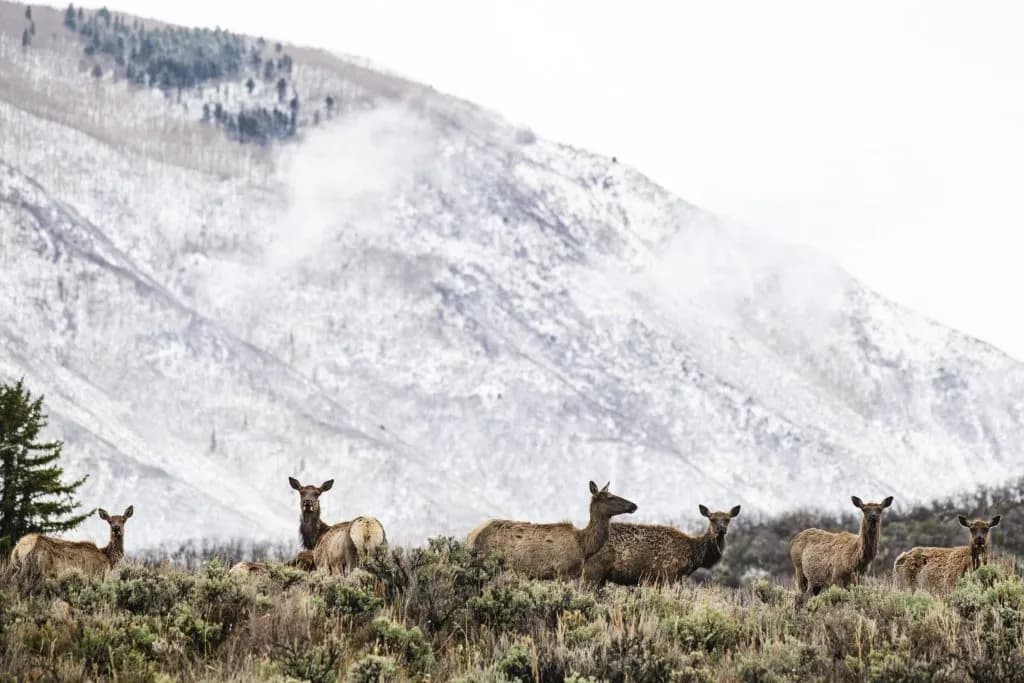
When farms and ranches go, the river bottoms go. The prime winter ranges vanish. The historical water rights dry up. Wildlife depend on those working landscapes. The habitat stamp program offers a financial alternative to subdivision. It provides capital to keep these landscapes intact.
It’s a bribe, effectively. Landowners get paid to stay put.
The short version: CPW is using hunter dollars to buy peace of mind for ranchers. It keeps the land wild. It secures the deer. It draws the tourists.
But there’s a catch. The program relies on the continued purchase of stamps. If hunting participation drops, the funding dries up. If the lottery funds shift, the money shrinks. It’s not a permanent endowment. It’s a subscription service for conservation.
Nims noted that in 2025, the agency received proposals for eight major acquisitions. That’s a small number compared to the total acreage protected. But these are the big ones. These are the ones that change the map.
The question isn’t whether the program works. It does. The question is whether locals are willing to keep paying the subscription. And whether the state will keep the price of admission low enough to maintain the flow.
For now, the money is flowing. Applications are open. The clock is ticking.
Keep up with Aspen
The day's Western Slope news, one email each morning. Free.