Colorado Patrol Warns of 3,900 Autumn Wildlife Crashes
Colorado State Patrol reports over 3,900 wildlife crashes last year, with autumn marking the peak season as deer and elk migrate to lower elevations.
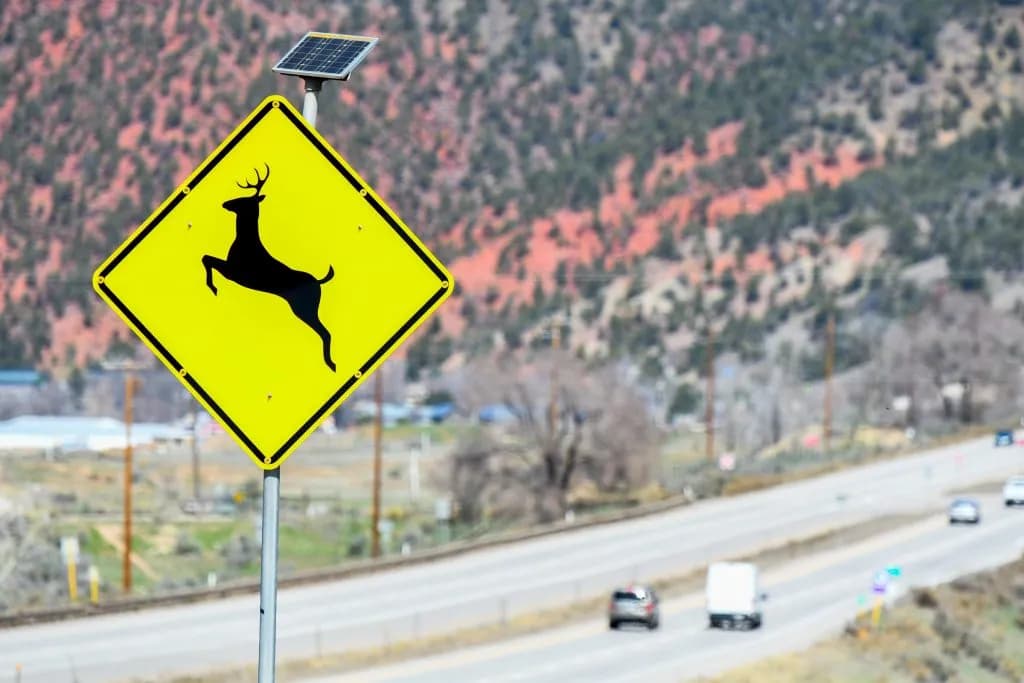
Aspen —The wind cuts across the I-70 corridor near Eagle, carrying the dry scent of sagebrush and the distant hum of diesel engines. It’s early morning, and the light is thin, slanting through the pines before it hits the asphalt. Drivers here know the rhythm of this road. They know the silence that falls when the traffic thins. And they know what moves in that silence.
Colorado officials are sounding the alarm now that autumn is in full swing. The warning is simple: wildlife is moving. As temperatures drop, species are shifting from high alpine zones to lower elevations for winter. This migration puts animals directly in the path of commuters and freight trucks.
Matthew Packard, chief of the Colorado State Patrol, laid out the numbers in a recent news release. Last year alone, troopers responded to over 3,900 crashes involving wildlife. Autumn is the peak season for these incidents. The trend isn’t new, either. Wildlife-related crashes have risen steadily over the past five years, climbing from 2,296 incidents in 2021.
It’s not just about migration. Packard noted that many species are in peak mating season right now. These animals are more mobile and easily distracted. They’re crossing roadways with less caution than usual. White-tailed deer and elk are the most frequent victims, but pronghorn, bears, and marmots are also in the mix. Every region of the state is susceptible, Packard said. He urged drivers to remove distractions and watch out for these animals.
The data backs up the concern. According to the Colorado Department of Transportation, October, November, and December consistently rank among the highest months for roadkill reports. In 2025, November saw the highest number of incidents, with 976 reports. October followed with 882. Mule deer remain the No. 1 animal reported as roadkill statewide. In 2025, 61% of the 7,770 total reports involved deer. The Western Slope bears the brunt of this. Seventy-three percent of all deer roadkill reports occurred in this region.
Bear activity is ramping up, too. Food failures due to drought have pushed bears into higher numbers. In Garfield County, 39 bears had died in vehicle collisions as of August 31, compared to just one in 2025. The risk is highest on specific corridors. The State Patrol identified U.S. Route 160 between Durango and Pagosa Springs, and between Durango and Mancos, as top hotspots. Interstates 70 and 25 also feature prominently in the danger zone list.
The scene shifts back to the highway. A truck slows down. The driver spots movement in the ditch. An elk stands still, staring at the headlights. The engine idles. The moment hangs in the air. Then the animal turns and disappears into the brush. The truck moves on. The road stretches out, empty again.
Keep up with Aspen
The day's Western Slope news, one email each morning. Free.