Colorado Prop 137 Keeps $175 Million for Wildfire Mitigation
Proposition 137 stops a $175 million annual TABOR refund, redirecting sporting goods tax revenue to specific wildfire mitigation and conservation grant programs across the state.
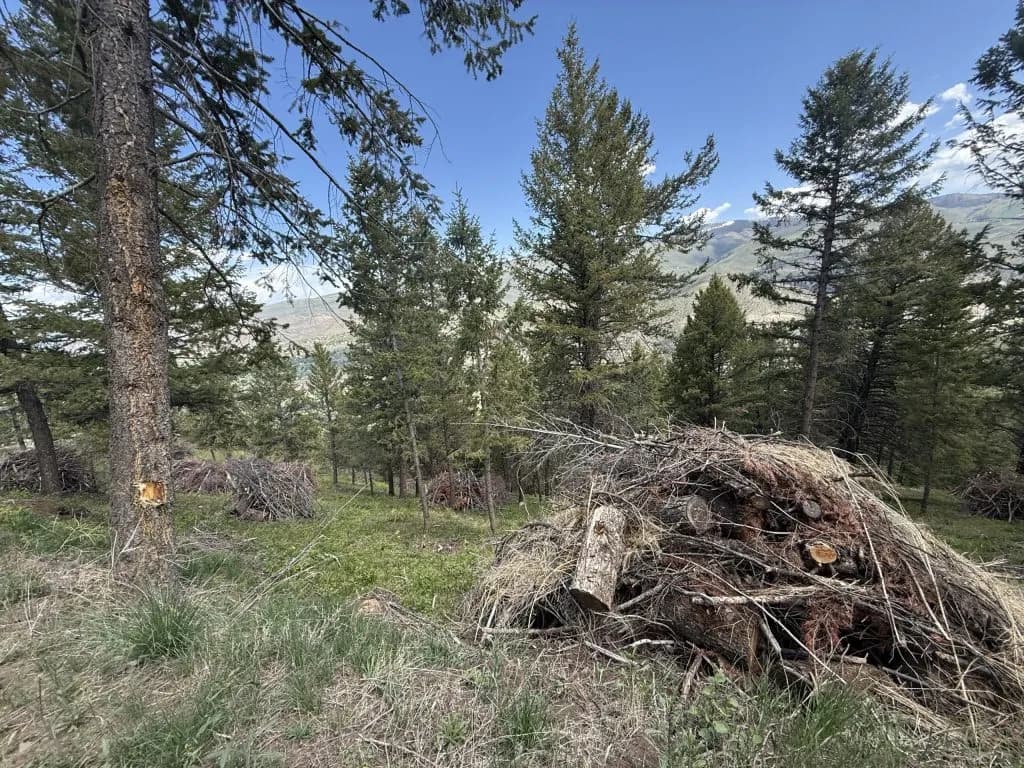
Glenwood Springs —$175 million. That is the estimated annual revenue sitting in the state’s coffers from a specific sales tax, currently destined to be refunded to taxpayers under TABOR. Proposition 137 asks if we should keep it instead.
If you’ve bought a pair of hiking boots, a tent, or even a fishing rod in Colorado recently, you’ve paid the tax. The measure, dubbed "Protect Colorado’s Land and Water, Prevent Wildfires," would redirect that excess revenue to conservation, water protection, and wildfire mitigation. It does not raise new taxes; it stops the refund.
Let’s do the math on where that money actually goes, because "conservation" is a broad bucket.
- 47.5% goes to Great Outdoors Colorado for land and water conservation work.
- 47.5% is split between the Colorado Department of Natural Resources and the Colorado State Forest Service for four existing wildfire mitigation grant programs.
- 2.5% supports the Outdoor Equity Grant Program.
- 2.5% goes to the Colorado Outdoor Recreation Industry Office for job creation.
The heavy lifting here is in that middle 47.5%. It funds specific programs like the Colorado Strategic Wildfire Action program, Forest Restoration and Wildfire Risk Mitigation, Healthy Forest Vibrant Communities, and Wildfire Ready Watersheds. For folks in Glenwood Springs or anywhere along the Western Slope, "wildfire mitigation" isn’t an abstract concept. It’s the difference between a controlled burn and a home loss.
Tarn Udall, senior attorney for Western Resource Advocates, argued in an emailed statement that the state is facing "urgent and mounting threats from drought, low snowpack and destructive wildfire." He noted that Prop 137 "provides Coloradans the chance to act now" and directs funding to "established, effective state grant programs with strong accountability."
The coalition behind the measure includes Conservation Colorado, The Nature Conservancy, the Trust for Public Land, and Western Resource Advocates. Their spending reflects their confidence. According to Colorado Secretary of State Aug. 2 campaign finance records, the "Protect Colorado’s Land and Water, Prevent Wildfires" committee has raised and spent around $2.9 million. The vast majority of those contributions come from the Nature Conservancy, Western Resource Advocates’ Action Fund, and The Trust for Public Land.
For context, this is one of eleven citizen petitions on the November ballot so far. Three additional measures are still under signature review, with the Secretary of State’s office due to finish by Sept. 2. One other citizen measure, which would have forced the legislature to spend more on roads, was pulled off the ballot this week after supporters struck a deal with lawmakers.
On paper, keeping $175 million sounds like a no-brainer if it means better forest management and cleaner rivers. In practice, you are trading a direct cash refund in your pocket for state-managed ecosystem services. You don’t get the check; you get a less likely wildfire and a protected watershed.
The practical bottom line for locals: if Prop 137 passes, your sporting goods tax money stays in the state system to fund specific grant programs. If it fails, that $175 million goes back into your pocket as a TABOR refund. You decide if the state’s version of "strong accountability" is worth more to you than a direct refund.
Keep up with Glenwood Springs
The day's Western Slope news, one email each morning. Free.


Denver Water Bans Lawn Irrigation Amid Century-Long Drought

Garfield Re-2 Board Votes to Put Mill Levy and Bond on November Ballot