Denver Water Bans Lawn Irrigation Amid Century-Long Drought
Denver Water mandates a ban on lawn irrigation starting October 1 as reservoirs hit century-low levels, sparking debate over transmountain water diversions from the Western Slope.
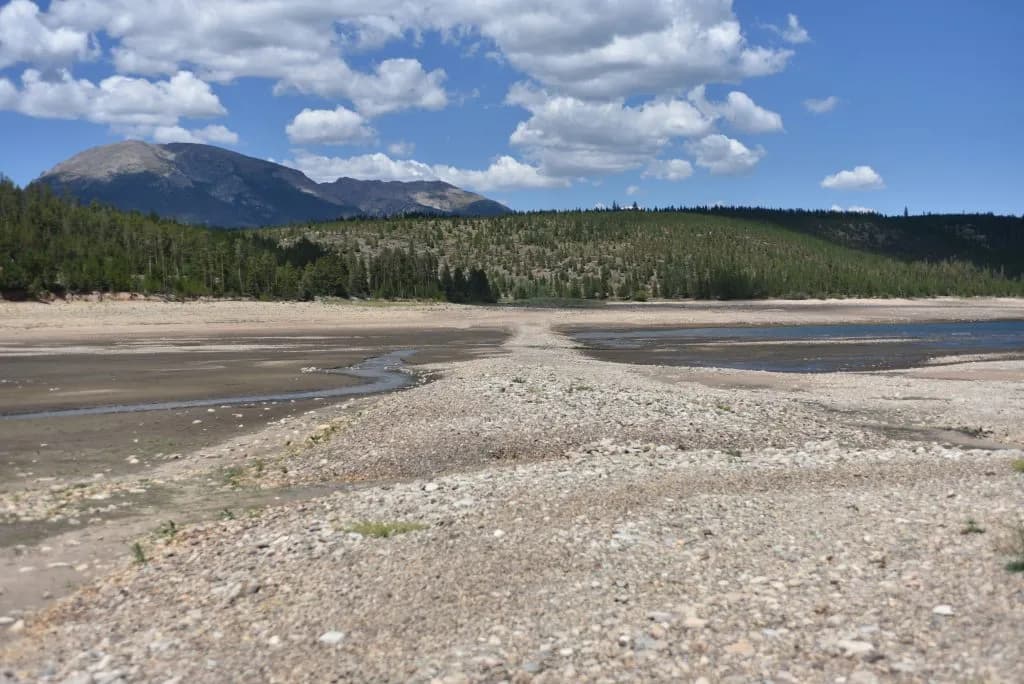
Glenwood Springs —The air in the valley is dry, a specific kind of thirst that settles into your skin by mid-afternoon and lingers long after the sun dips behind the mountains. You can feel it in the dust that kicks up off I-70, in the brittle snap of dead grass underfoot, and in the silence of streams that used to roar but now trickle. It is a texture, this drought. It has weight. And now, Denver Water wants to take the last bit of moisture from your lawn before you even get a chance to use it.
Here is the counterintuitive truth that most folks on the Front Range are missing: this isn’t just a local inconvenience for Denver. It is a direct, aggressive siphon from the Western Slope.
Denver Water supplies water to a quarter of the state’s population, but it doesn’t make that water. It steals it. Around half of its supply comes from the Colorado River system by way of transmountain diversions. That means water that fell as snow on our mountains, that fed our streams, and that belongs to the geology of this valley is being pumped east, over the Continental Divide, into reservoirs like Lake Dillon in Summit County and Williams Fork near Kremmling.
The Post Independent reported this week that Denver Water will prohibit land watering starting Oct. 1. This is not a suggestion. For its 1.5 million customers, this cut-off date will be mandatory rather than serving as “general guidance.” The ban remains in effect through the spring until the board formally adopts a resolution repealing it.
Why such a strict measure? Because the numbers are grim, and they are grounded in our local reality. Following this winter’s historically low snowpack and an early meltoff spurred by record-setting heat, streamflows have remained critically low. The provider reported that natural streamflows into its reservoirs were 22% of normal, the lowest in the past 100 years of records. Its reservoirs are reportedly around 72% full, significantly below the historic median of 94%. By April 1, those reservoirs are projected to hit around 60% of capacity.
Tyrone Gant, president of the Denver Board of Water Commissioners, said in a press release that the drought “has only worsened over the course of the summer.” He noted that entering next spring with storage levels far below normal necessitates formally ending lawn watering to stretch supplies.
But let’s talk about what isn’t being said, or at least, what is being framed carefully. Greg Fisher, Denver Water’s head of demand planning and efficiency, stood on the ground in Grand County during a tour of drought conditions in June. He told reporters that the provider “can’t get through droughts without our customers saving water.”
Fisher’s words were blunt: “We’re trying to remind our customers that the supply chapter has been written for this year. We’re not going to get any more.”
There is a warmth to that statement, but it’s the warmth of a closed door. The “supply chapter” was written by hydrology and history, not by Denver’s board of commissioners. Yet, they are the ones holding the pen now. They are deciding that because their reservoirs — built on our water — are low, they must stop you from watering your trees.
If you look closely at the exemptions, you see the politics of water. Trees, shrubs, and perennials are safe if watered with a handheld hose. Annuals and vegetables are exempt until the first frost. But new grass establishment is barred after Sept. 30. And while “high-traffic, active-use grass areas” like parks can operate with a variance, the average homeowner’s lawn is on the chopping block.
Denver Water’s largest reservoir, Dillon, was 70% of capacity as of Aug. 26 and is projected to be down around 32 feet by Labor Day. It is expected to drop between 50% and 60% by spring, nearing the historic low from 2003.
We are watching our own water disappear into their pipes, and in return, we get a mandate to stop watering our yards. It is a transaction that feels less like partnership and more like extraction. The drought is real. The heat is real. But so is the fact that we are the source, and they are the drain.
The dust settles on the dry earth, fine and pale, waiting for rain that may not come until next year’s snowpack decides otherwise.
Keep up with Glenwood Springs
The day's Western Slope news, one email each morning. Free.
Colorado Prop 137 Keeps $175 Million for Wildfire Mitigation

Garfield Re-2 Board Votes to Put Mill Levy and Bond on November Ballot