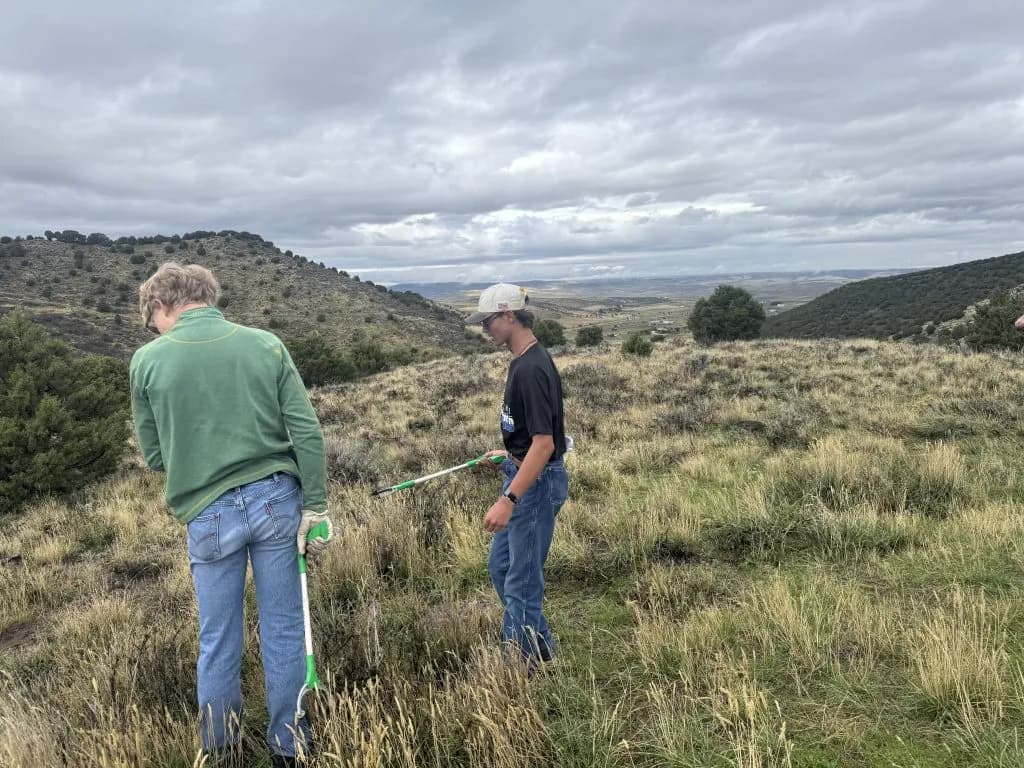
Yampa Rancher Uses Genomic Testing to Fix Maternal Traits
JK Cattle Company owner Krista Monger adopted genomic selection to address declining maternal traits in her Yampa Valley herd, resulting in improved calving rates and weaning weights.
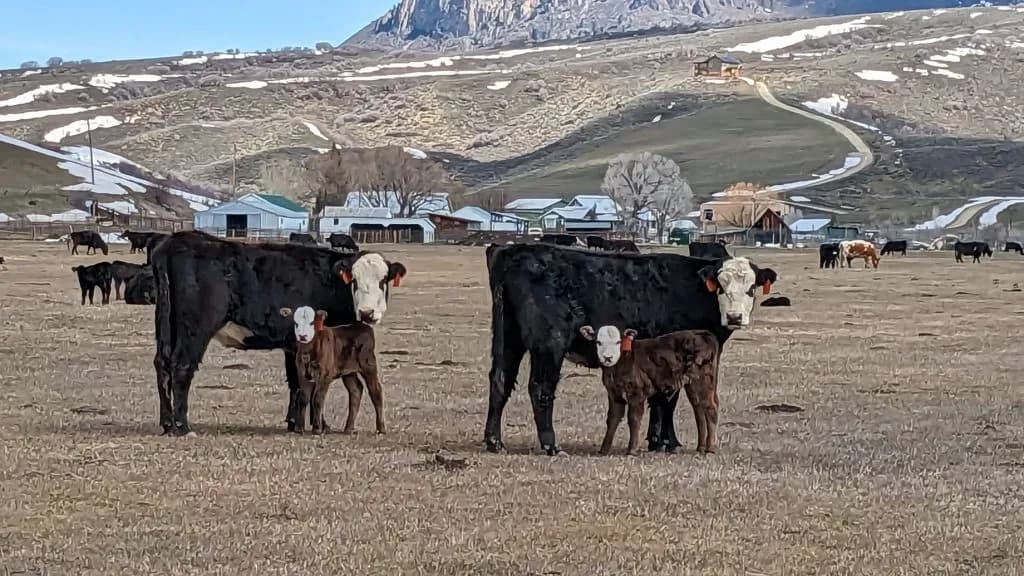
Steamboat Springs —The Yampa Valley wind cuts across the open range, kicking up dust that settles on the hide of a yearling heifer. She stands in a pen where the grass is dry and brittle, her ears twitching at the distant hum of I-70 traffic. This is where the quiet revolution in ranching is happening — not with a bang, but with a tiny punch to the ear.
Most operations here run on a simple cycle: keep the cows, sell the calves. A cow works for about a decade before she’s done. The old way of picking replacements was visual. You looked at the body, the birth weight, the gain. If it looked right, it stayed. If not, it went to market. But visual cues have limits. They tell you what the animal is now, not what it will become.
That gap is where genomic selection steps in. The beef industry has moved beyond phenotype into genotype. By testing for specific genetic markers — those linked to growth, carcass merit, or maternal ability, ranchers can predict performance before the animal has even hit puberty. This data gets folded into the Expected Progeny Difference, or EPD. An EPD is a forecast of how an offspring will perform. It offers the same predictive power as waiting years for an animal to produce a dozen calves. It compresses time.
For Krista Monger, owner and manager of JK Cattle Company, this wasn’t just theoretical. The herd was built on size and market performance. Those traits showed up. But the maternal side was slipping. Younger cows had small udders. Milk production dropped. Breed-back percentages fell. The most telling sign was behavior. New mothers weren’t getting up to lick their calves. They weren’t staying close. Some abandoned them entirely. Calves became orphans. The herd was producing beef, but it was losing its soul as a breeding operation.
Monger turned to genetic testing to fix it. The process is straightforward. A hole-punch-like tool takes a small sample from the ear. It’s mailed out. The data returns with individual EPDs. Decisions follow. For three years, the focus has been specific: milk production, pregnancy rate, longevity, yearling and weaning weights, and docility. Visual assessment still plays a role. But it’s no longer the sole driver.
The results are tangible. Calving deaths have dropped. Orphans are rarer. Weaning weights have improved. First-calf cows are breeding back at higher rates. The intuition was always there - keep the good cows. The problem was knowing which young calves would be good moms. The tools were limited. Now, the data provides clarity. Better-informed decisions lead to better outcomes.
Back in the pen, the heifer shifts her weight. She doesn’t know about DNA markers or EPDs. She doesn’t know her future is already mapped out in a spreadsheet. But she knows the wind is changing. And in the Yampa Valley, knowing when the wind changes is everything.
Keep up with Steamboat Springs
The day's Western Slope news, one email each morning. Free.