Soda Creek Launches Sensory Autism Program With Trampolines
Soda Creek Elementary opened a new autism program featuring trampolines and sensory zones. Teacher Amanda Gordon uses structured teaching to help students manage sensory overload and prepare for mainstream inclusion.

Steamboat Springs —A classroom with a trampoline. A “cuddle box.” Spinning chairs.
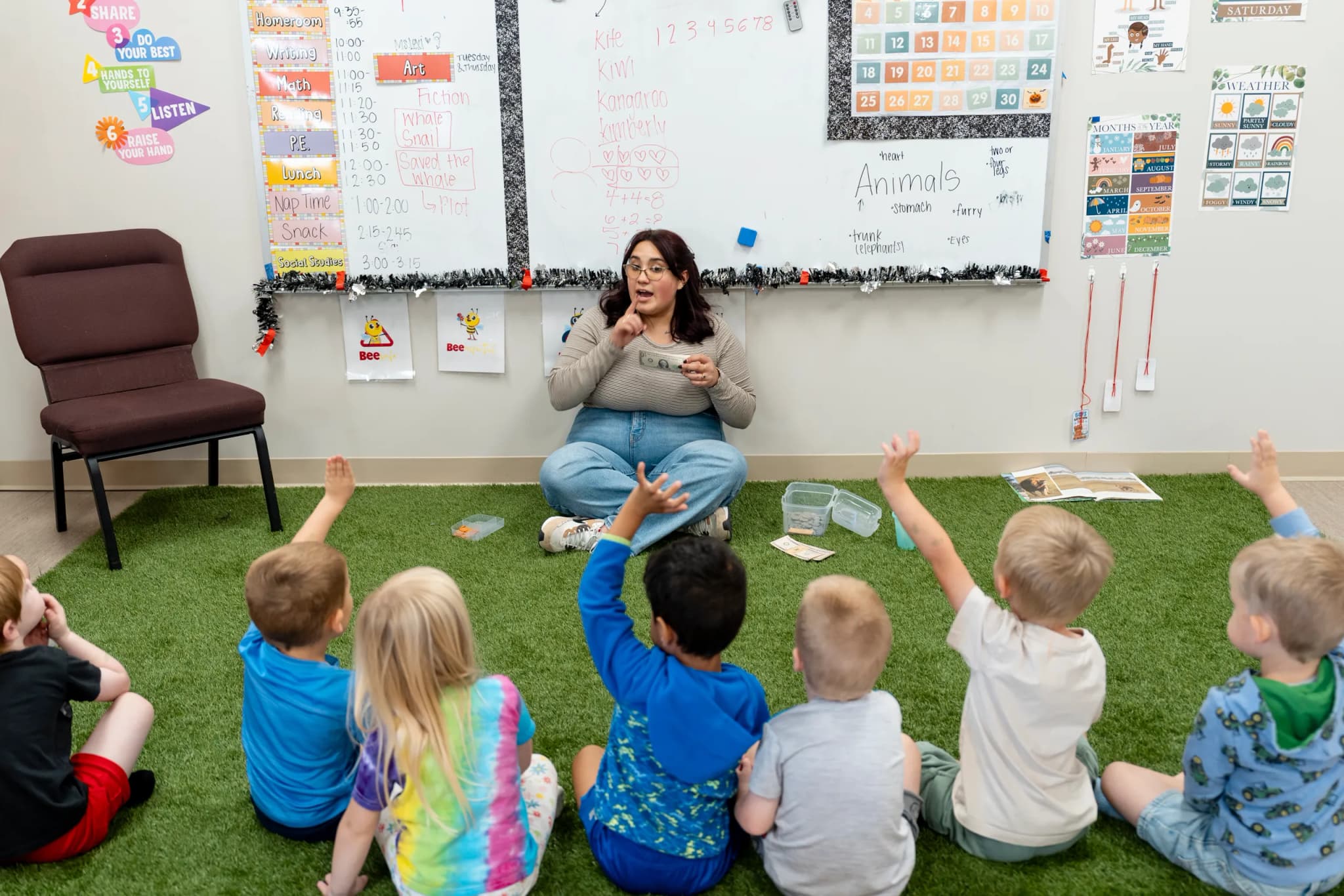
It sounds like a playground, but for the students at Soda Creek Elementary in Steamboat Springs, it’s a lifeline. This fall, the district launched a new center-based autism program, and the setup is anything but standard.
Special education teacher Amanda Gordon is running the show. Her mission? Predictability. In a world that often feels chaotic, Gordon is building an environment where kids know exactly what’s coming next.
“It’s about making the environment predictable for the students — so they know where they’re going next and what needs to get done,” Gordon said.
Let’s do the math on how she’s pulling it off. Gordon is using a framework called “structured teaching,” developed at UNC Chapel Hill. It’s not just about rules; it’s about visual cues. Every student has a personal schedule. You finish Task A? Here’s your reward. Simple. Clear. Effective.
But the physical space is where things get interesting. Gordon split the room into two zones under a banner called “BASE Camp” — standing for Belonging, Autonomy, Skills, and Expression. One side is for focused, one-on-one instruction. The other? A sensory sanctuary.
Why? Because for many of these kids, sensory overload is the enemy. A loud noise, a bright light, a rough texture, it can derail an entire day. So Gordon equipped the break zone with tools to calm the nervous system.
She even uses color-coded timers to manage transitions. Green means break time. Yellow is a warning. Red means it’s over. No surprises. No anxiety. Just routine.
Communication is another hurdle. Since many of these students have complex needs, they rely on augmentative and alternative communication (AAC) devices - essentially tablets or laptops that let them speak through text or symbols.
And Gordon isn’t working alone. She’s part of a team that includes speech-language pathologist Amanda Rohde, occupational therapist Molly Arndt, and registered behavior technician Maddy Rodriguez. They meet weekly to align on “core words”; like “want”, and reinforce them across different subjects and activities.
“We have to be aligned,” Gordon noted. “We’re trying to make sure that we’re all partnered together to support the whole child.”
The goal isn’t just to keep these students contained. It’s to prepare them for inclusion. Gordon’s students join their mainstream peers twice a day for general ed classes, plus lunch, recess, and morning meetings. As Gordon puts it, they are “general education students first.”
This pilot is part of a larger push by the district. Next fall, they plan to open two more center-based programs: an affective needs program at Sleeping Giant School and a multi-intensive program at Strawberry Park Elementary.
For now, the focus is on Soda Creek. The investment is in specialized equipment, trained staff, and a carefully designed physical space. The return? A group of students who are settling in, communicating, and starting to navigate their school day with a bit more confidence.
In a district where property taxes fund these services, the question is always whether the spend delivers value. On paper, a program with a trampoline might seem frivolous. In practice, it’s a tool for regulation. And for a kid who struggles to sit still, a trampoline might be the most productive place in the building.
Keep up with Steamboat Springs
The day's Western Slope news, one email each morning. Free.

Steamboat Radiologist Urges Annual Mammograms Starting At Age 40
Steamboat Council Passes 2027 Budget With $207,300 Surplus