Roaring Fork Schools Endorses $5M Mill Levy Override
Roaring Fork Schools unanimously endorsed a $5 million mill levy override and two statewide measures, aiming to boost teacher salaries and close funding gaps.
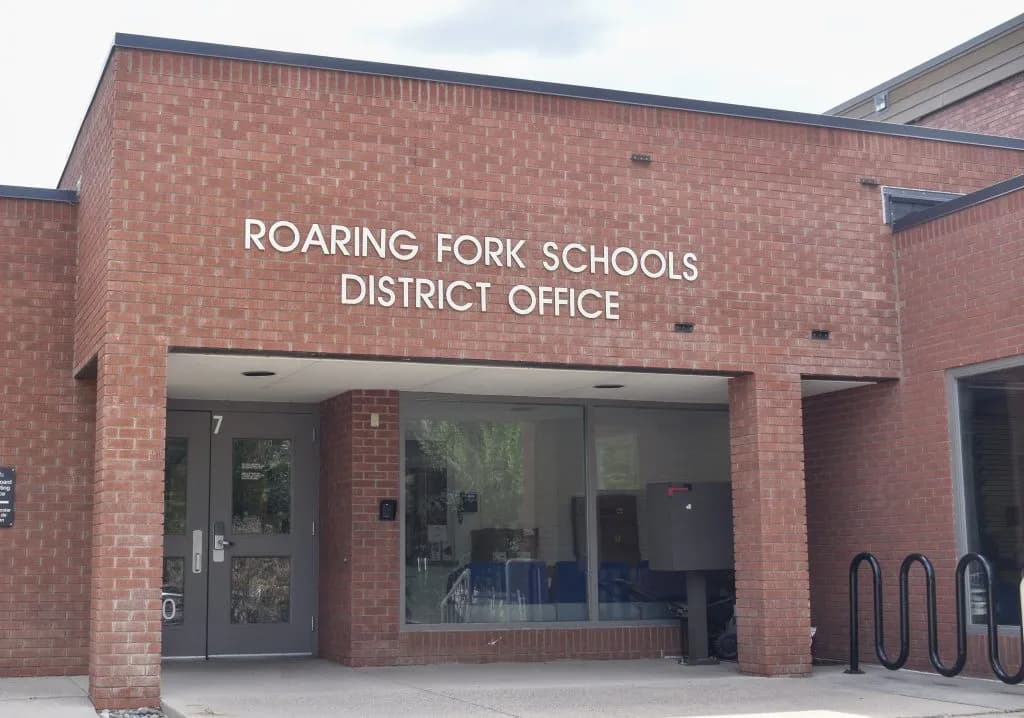
Glenwood Springs —The Roaring Fork Schools Board of Education didn’t just nudge the envelope; they kicked it down the hallway. On Wednesday, the board unanimously backed three separate ballot measures, a move that signals a district running out of patience with the state’s funding formula. It’s a rare instance of local leadership aligning with statewide initiatives, betting that the collective pressure will finally crack open the budget.
Let’s do the math on the local component first. Ballot measure 5C, the district’s proposed mill levy override, would generate roughly $5 million annually, with a hard cap at $5.6 million. For context, that’s a significant injection into a system where teacher salaries have slipped below the regional average. The district’s data dashboard puts the cost to homeowners at approximately $86.25 per year for every $500,000 in actual home value. Commercial properties would see a rate of about $63.63 annually for every $100,000 of value. It’s not a trivial number, but it’s framed as a necessary investment rather than a tax hike.
The allocation of that money is specific, designed to address the root cause of the staffing crisis. Eighty percent of the new revenue goes directly to staff salaries and benefits. Another ten percent is earmarked for recruitment and retention initiatives, while the final ten percent covers the required share for charter schools. Notably, none of the new funds are designated for district leadership salaries. That distinction is likely to matter to voters who remember the 2021 vote, which was also pitched as a fix for competitive pay.
Superintendent Anna Cole offered a blunt explanation for why the 2021 increase hasn’t held up. She cited reductions in the school finance formula that disproportionately hurt high-cost-of-living districts like Roaring Fork. “This measure is in service of trying to stay competitive with teacher salaries,” Cole said. She noted that several current leaders, including herself and CFO Christy Chicoine, weren’t in their roles when the previous measure passed, suggesting a shift in priorities or a deeper understanding of the financial gap.
Board President Jonathan Delk set the tone with a warning that the state of K-12 funding in Colorado is “dire.” He argued that with an economy as strong as Colorado’s, the state needs to invest in children with the same vigor it applies to other sectors. That rhetoric supports the two statewide measures the board also endorsed: Proposition NN and Amendment 87. By backing these alongside the local MLO, the board is creating a multi-pronged strategy. If the local measure fails, the statewide ones might still provide relief. If the statewide ones fail, the local MLO stands alone. It’s a hedged bet, but a calculated one.
In practice, this means voters in Glenwood Springs, Aspen, and the surrounding valley will see three distinct votes on their ballots. Each has different implications. The local 5C is a direct tax increase tied to property values. The statewide propositions are broader, affecting how the state allocates funds across all districts. The board’s endorsement is a signal of confidence, but it doesn’t guarantee passage. Voters will weigh the $86.25 annual cost against the promise of better-paid teachers and a more stable school system.
The district’s emphasis on educator quality is central to the argument. High cost of living makes it harder to recruit and retain talent, especially when neighboring districts or private schools offer higher pay. The MLO aims to close that gap. Without it, the district risks losing experienced teachers to lower-cost areas or facing hiring shortages. That’s a practical concern, not just a philosophical one.
The unanimous vote reflects a consensus within the board, though individual perspectives may vary. Members like Lindsay DeFrates and Tammy Nimmo, who were serving when the 2021 measure passed, bring historical context. Newer members like Jasmin Ramirez and Kathryn Kuhlenberg, in their first terms, represent fresh eyes. This mix of experience and novelty shapes the board’s approach.
As the campaign season heats up, the focus will shift to voter outreach. How the district communicates the benefits of 5C will be critical. Transparency about how the money is spent will build trust. The board’s decision to back the statewide measures adds a layer of complexity, requiring voters to understand the interplay between local and state funding.
For now, the board has made its position clear. The district needs more resources, and it’s willing to ask voters for them. Whether that request lands well depends on how the message is received. The numbers are there. The rationale is laid out. What’s left is for the community to decide if the trade-off is worth it.
Keep up with Glenwood Springs
The day's Western Slope news, one email each morning. Free.