Colorado Proposition 133 Mandates Life Without Parole for Child Traffickers
Colorado voters will decide on Proposition 133, which mandates life without parole for child sex trafficking convictions. The measure eliminates judicial discretion and expands the definition of the crime to include buying sexual activity.
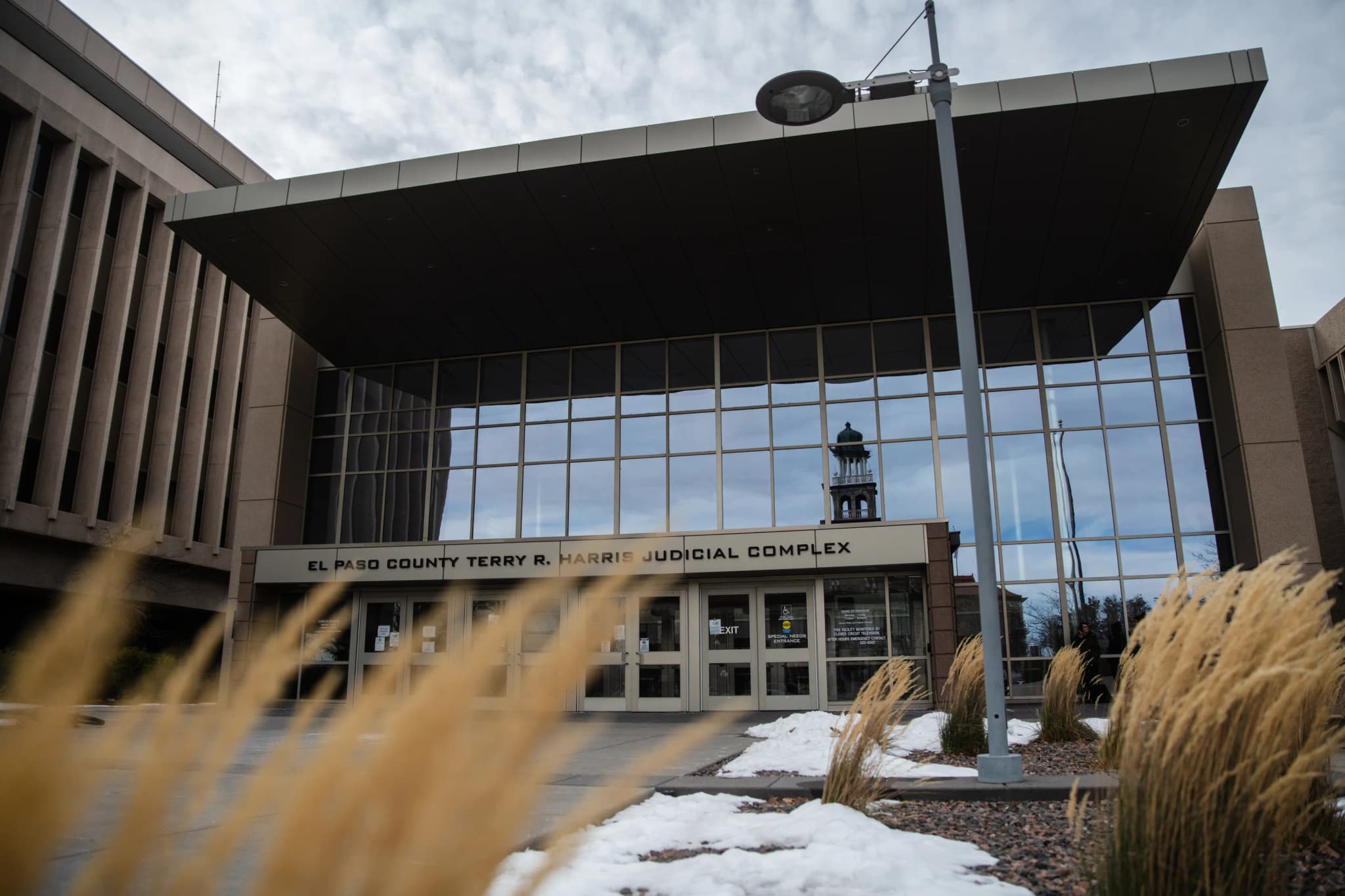
The wind off the San Juan Mountains hits hard in October. It cuts through the gaps in the fence lines along I-70, turning the dry grass into a gray sea. In towns like Gunnison or Montrose, that wind is just another part of the season. But this November, it will carry a different weight with every ballot box opened in the valley.
Colorado voters face a stark choice on Proposition 133. If they vote yes, the state will mandate life in prison without parole for anyone convicted of child sex trafficking. No discretion. No early release. The same sentence required for first-degree murder.
The Colorado Sun reported that the measure strips judges of their current power to sentence offenders to eight or 48 years. Under existing law, a judge weighs the facts and picks a number within that range. Proposition 133 removes that variable entirely. The sentence is fixed at life without parole.
The definition of the crime also widens. Currently, trafficking a minor for sexual servitude involves selling, recruiting, or transporting them. The proposal adds "buying" sexual activity with a minor to the list. It treats trading anything of monetary value for sex with a child as trafficking.
This isn't new political maneuvering, though it looks like it. State Rep. Scott Bottoms, a Republican from Colorado Springs, sponsored a bill with these exact changes earlier this year. Democrats rejected it in a House committee. They didn't kill the idea; they just refused to let it pass through the legislature. Now, the people decide.
The cost is a slow burn. Nonpartisan legislative fiscal analysts estimate the state prison system will spend an extra $180,000 starting in 2041. That figure climbs to an extra $540,000 by 2043. It levels off after that as inmates die or receive commutations. For the next decade, the budget impact is negligible. The real cost hits when those shorter sentences turn into lifelong ones.
Protect Kids Colorado drove this measure to the ballot. Erin Lee, the group's executive director, said they relied on a network of more than 3,000 volunteers across all 64 counties. They raised about $116,000 through mid-September. The group also pushed Propositions 134 and 135, both focused on transgender children.
Colorado’s Catholic bishops backed the effort too. They organized three signature-gathering drives to help all three measures make the ballot. Supporters argue that a life sentence stops offenders from reaching more children. They believe the severity of the penalty will deter others from committing the crime in Colorado.
Read that again. Deterrence through maximum severity. That is the argument on the yes side of the ballot.
The opposition argues that mandatory life sentences remove judicial nuance. They point to the current eight-to-48-year range as a tool for justice tailored to specific cases. They worry about the long-term financial burden on taxpayers, even if that burden doesn't fully materialize until 2041.
For folks in the valley, this is a local issue with a long tail. It affects how our courts operate and where state money goes decades from now. The wind will keep blowing down the highway regardless of how you vote. But the people behind bars in state facilities will live with your decision for the rest of their lives.
The legislature rejected this idea once. Now it’s in your hands.
Keep up with the Western Slope
The day's Western Slope news, one email each morning. Free.