Aspen Opens Public Comment on 1973 Smuggler Bridge Replacement
Aspen holds a public open house Oct. 7 to gather feedback on replacing the 1973 Smuggler Bridge, focusing on aesthetics and construction impacts.
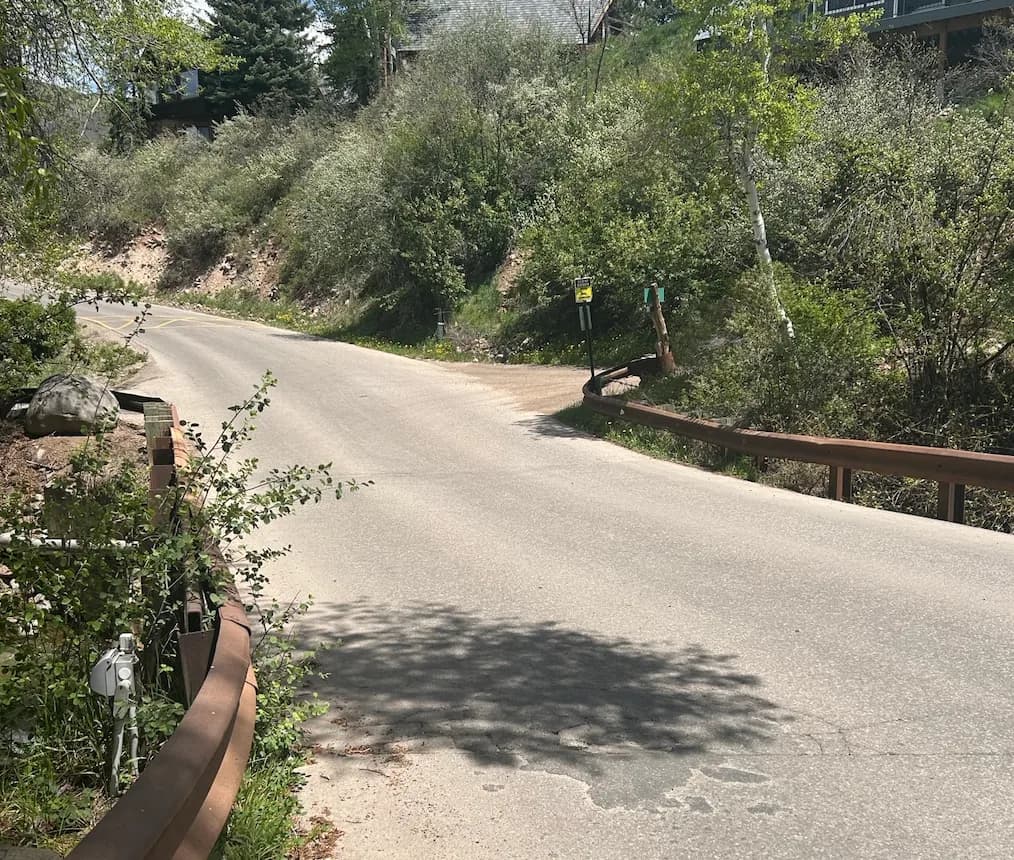
Aspen —The Castle Creek corridor hums with the quiet tension of a neighborhood watching its own arteries. On Power Plant Road, the old Smuggler Bridge stands as a relic of 1973, a structure that has long since outlived its intended service life. For decades, it has been a silent witness to the flow of traffic and the passage of seasons, but now it is the center of a very loud conversation about the future.
The City of Aspen is stepping in to replace it, and they aren’t doing it behind closed doors. On Wednesday, October 7, from 4 to 6 p.m., the first public open house will be held in the Pearl Pass conference room at Aspen City Hall. This isn’t just a presentation; it’s a working session. Residents are invited to look at preliminary design concepts, ask hard questions, and — crucially — give input on the aesthetic design of the new bridge.
Let’s do the math on why this is happening now. The existing bridge was built in 1973. Most bridges have a design life of around 50 to 75 years. We are well past that mark. Jack Danneberg, the Senior Project Manager for the city, told The Aspen Times that after an engineering analysis, the city determined that a full replacement is the preferred long-term solution. Rehabilitation was considered, but the review showed that a full replacement creates a stronger long-term asset. It addresses aging structural components and delivers a new bridge designed to current standards with a longer service life.
On paper, the project is straightforward: swap an old bridge for a new one. In practice, it’s a complex balancing act. The new bridge has to meet floodplain requirements, handle wildfire and emergency access, and minimize impacts on the neighborhood and environment. Danneberg noted that full replacement also allows the team to evaluate construction methods that could shorten the construction window, reduce impacts on travelers, and limit work within the area.
Right now, the project is in the design development phase. The city is most interested in community feedback on the bridge’s aesthetic character and how it fits within the surrounding landscape. They want to understand priorities regarding access, construction impacts, recreation, and neighborhood character. Because the bridge is in a highly visible area, the design process is balancing structural performance, durability, maintenance, cost, and fit within the surroundings. The goal, as Danneberg put it, is a bridge that functions well as critical infrastructure and complements the corridor.
For locals, this means a chance to shape the look and feel of a major piece of infrastructure before it’s concrete. It’s a rare moment where public input directly influences the physical form of the city. The bottom line is that the Smuggler Bridge is coming down, and the new one will be built to last. How it looks, and how it’s built, is up for discussion this week.
Keep up with Aspen
The day's Western Slope news, one email each morning. Free.