New SNAP Work Rules Strain Clifton Food Bank
New federal SNAP work requirements strain local resources as Clifton’s food bank faces rising demand. Officials warn that modest benefit increases fail to offset steep grocery price hikes.
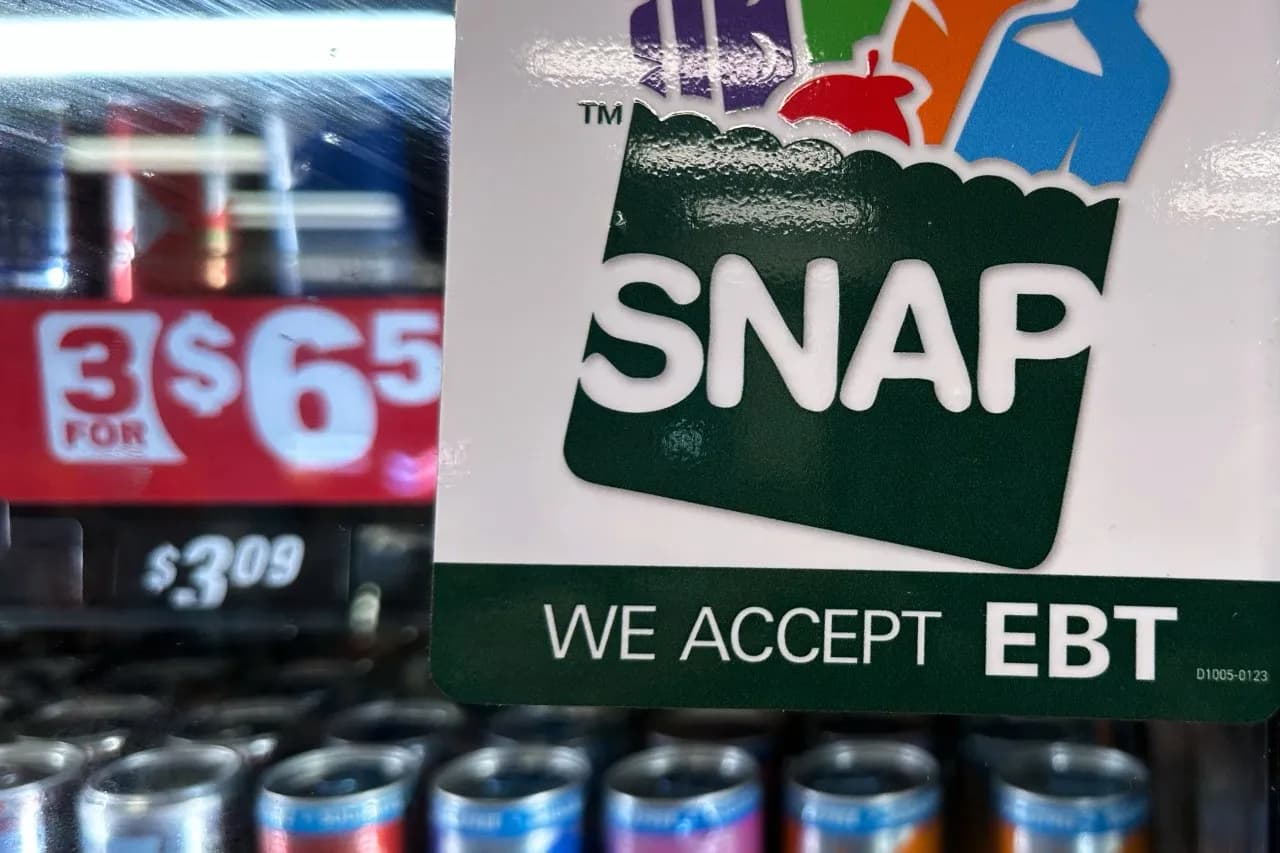
Grand Junction —On a crisp October morning in Clifton, the parking lot at 3241 F 1/4 Road fills with cars bearing Mesa County plates. Inside, volunteers sort bags of pantry staples — canned goods, fresh produce, meat, and dairy — ready for distribution. It’s a quiet operation, but the stakes are rising.
Thursday, Oct. 1, marks the start of new federal Supplemental Nutrition Assistance Program (SNAP) rules. The U.S. Department of Agriculture’s annual Cost-of-Living Adjustments bump maximum monthly SNAP benefits by roughly 2.9%. On paper, that sounds helpful. In practice, it barely moves the needle. For context, the U.S. Bureau of Labor Statistics reports that food-at-home prices jumped 2.7% and housing costs climbed 3.0% compared to 2025. Let’s do the math: if your groceries cost $400 a month, a 2.9% benefit increase adds maybe $11.60. That doesn’t cover the $10.80 rise in food costs alone.
The bigger headache? New work requirements. Able-bodied adults aged 16 to 54 without children must now log 80 hours a month, or 20 hours a week - of work, volunteering, or job training. Miss that mark, and you’re cut off after three months within a 36-month window. No exemption unless you’ve got a kid under 18 at home. For folks in the valley juggling part-time jobs, commuting across the I-70 corridor, or caring for aging parents, that 20-hour weekly minimum is a steep climb.
Jackie Feaster, executive director of the Clifton Christian Church Food Bank, sees the pressure building. “SNAP is a vital resource for many of our neighbors, but it rarely covers a family’s full nutritional needs for an entire month,” she said. “When benefits fall short or disappear entirely, or households sit just above the eligibility line, our doors are open. Our goal is to ensure no one in our community goes hungry while juggling other expenses.”
Here’s the catch: the food bank doesn’t get most of its stock for free. Feaster noted that donated canned goods help, but financial contributions are what let them buy nutritious staples, dairy, and fresh proteins in bulk at wholesale prices. Every dollar donated translates directly into meals on local dinner tables. As fall and winter tighten household budgets, the food bank is asking for monetary donations and volunteer hours to keep the shelves stocked.
The Clifton Christian Church Food Bank distributes food every Wednesday and Friday, plus the fourth Saturday of each month. With grocery prices sticky and SNAP eligibility getting tighter, the gap between what families can afford and what they need is widening. For now, the church’s food bank is the buffer. But buffers require fuel.
Keep up with Grand Junction
The day's Western Slope news, one email each morning. Free.


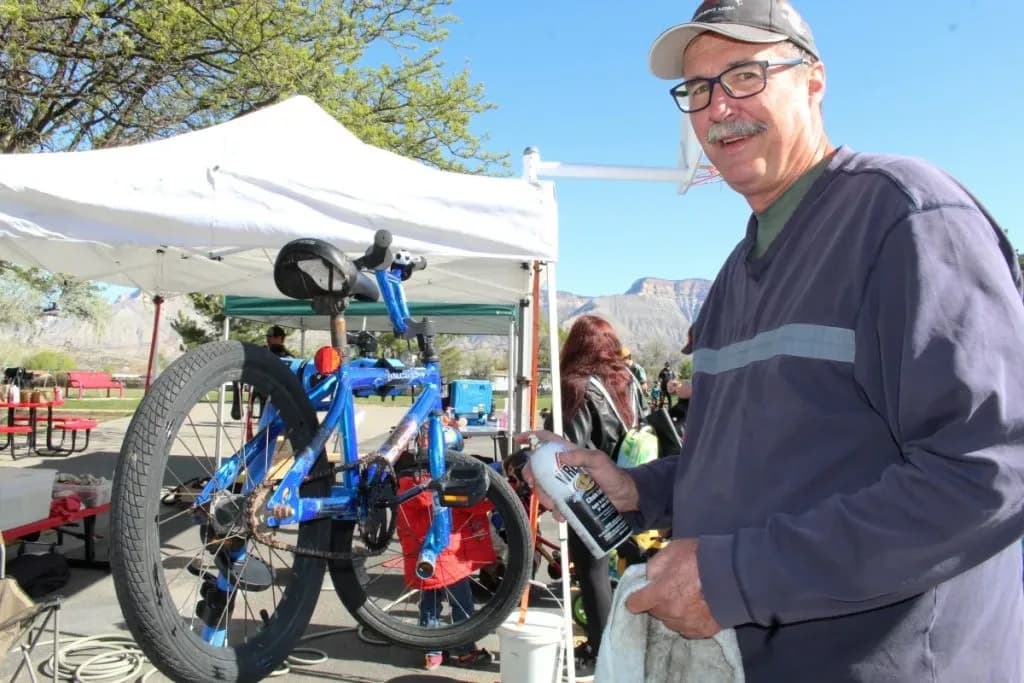
Parachute Bike Clinic Seeks Permanent Home After 66 Free Repairs
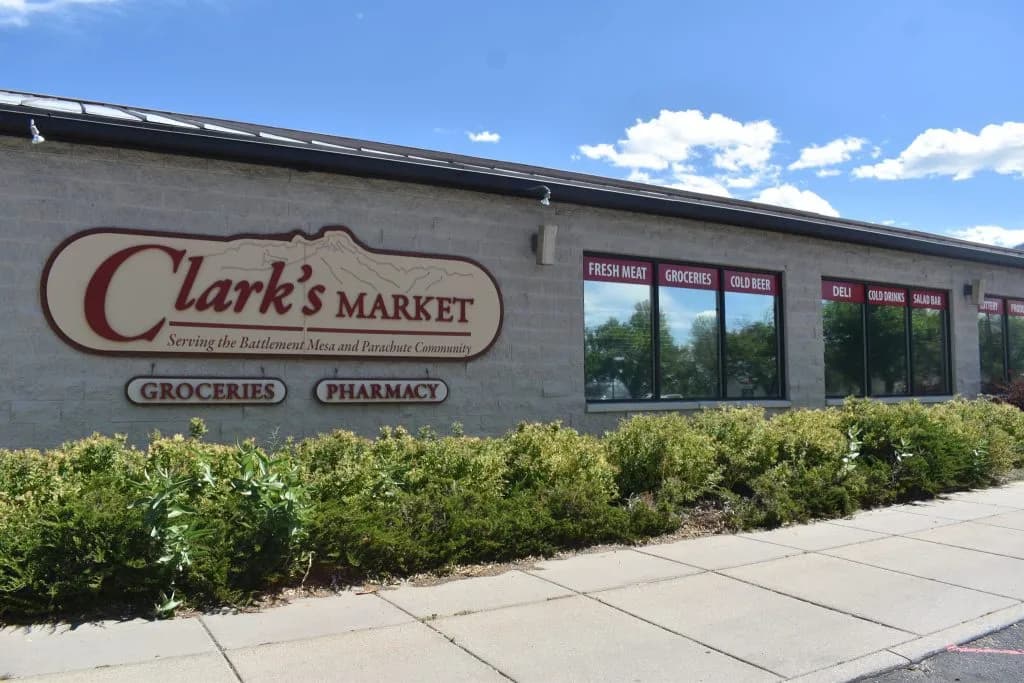
The fluorescent lights of the LIFT-UP food pantry in Parachute hum with a low, steady buzz