Club 20 Hosts 2026 Western Colorado Candidate Debates at Colorado Mesa University
Club 20 hosts 25+ candidates at Colorado Mesa University for 2026 Western Colorado debates. Key figures including Victor Marx and Meghan Lukens skip the event.
Grand Junction —On a crisp September afternoon, the quad at Colorado Mesa University in Grand Junction will echo with the voices of more than 25 candidates. They are there to answer questions about the issues that shape life on the Western Slope, from property taxes to healthcare access. It is a rare moment when the political machinery of Denver stops to look directly at the communities in the high plains and the foothills.
The 2026 western Colorado candidate debates are scheduled for Saturday, Sept. 19, hosted by Club 20, a nonprofit advocacy organization representing 22 Western Slope counties. The event serves as a critical checkpoint ahead of the November general election, offering voters a direct line to the people seeking to represent them in the statehouse and the Capitol.
The schedule is packed, spanning from early morning to late evening. In the morning, the focus turns to the Colorado House of Representatives. Candidates for House Districts 13, 26, and 57 will take the stage. These districts cover a vast stretch of the state, from the central mountains to the northern plains.
In the afternoon, the debates shift to other state races. Candidates for Senate District 8, attorney general, and secretary of state will have the chance to present their platforms. It is a chance for them to explain how they would handle the complex challenges facing the state, from infrastructure to education.
The evening brings the highest stakes. Candidates for governor and U.S. Senate will debate, though several have declined to attend. For instance, Republican gubernatorial candidate Victor Marx will be absent, leaving Colorado General Attorney Phil Weiser and former U.S. Rep. Greg Lopez to debate at 6:30 p.m. Marx’s team did not respond to a request for comment before publication.
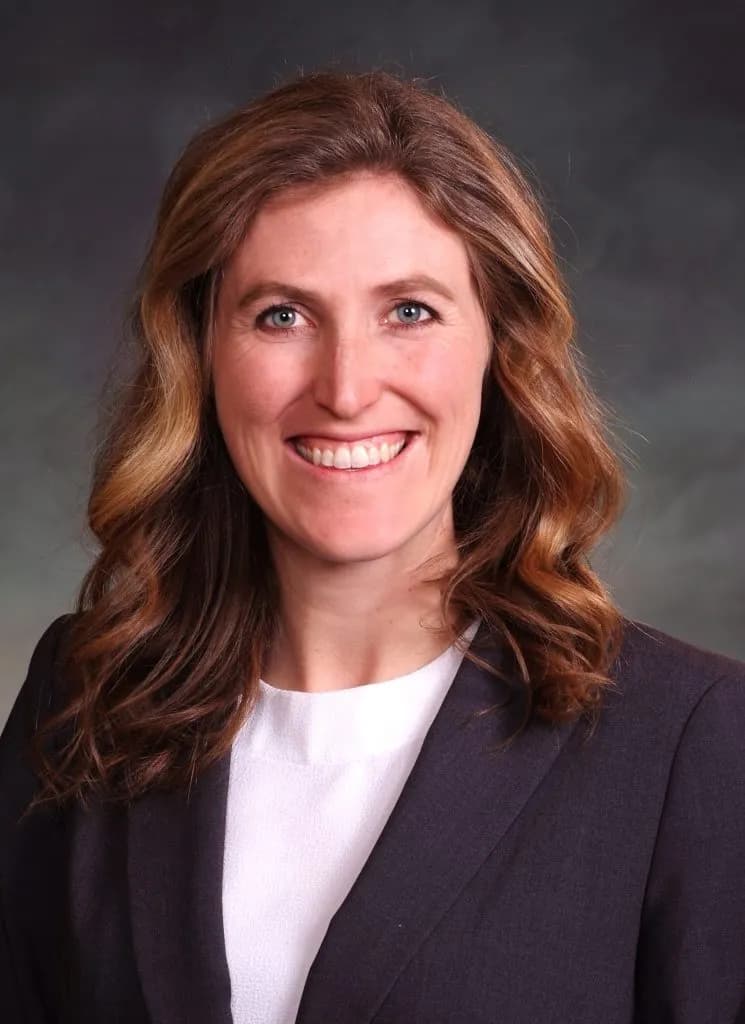
One notable absence is that of Democratic incumbent Meghan Lukens, who represents House District 26. She said she will not be able to attend due to a longstanding family commitment. “I have a great deal of respect for Club 20 and value the important role it plays in bringing Western Slope communities together,” said Lukens, a Steamboat Springs Democrat. “I’m disappointed to miss the opportunity to participate and appreciate Club 20 for continuing to create opportunities for candidates to engage with voters across Western Colorado.”
To hear them tell it, these debates are not just about winning votes; they are about building trust. In a region where word-of-mouth still carries weight, seeing a candidate listen, pause, and then answer honestly can make a difference. It allows neighbors to see if the person standing on that stage understands the reality of living here, far from the coastal centers that often dominate national news.
The question is whether this format — roughly half-hour slots, rapid-fire questions — allows for depth. It forces candidates to be concise, which can be good. It prevents rambling. But it also limits nuance. Complex issues rarely have simple answers. Still, as a starting point, it is valuable. It gets the conversation going. It puts the candidates on record.
For locals, the key is to watch. Not just the winners, but the interactions. How do they treat each other? How do they treat the audience? Do they seem prepared, or are they reading from a script? These small details often reveal more than the policy positions themselves. They show character. And character matters when you are choosing someone to make decisions that affect your daily life.
As the debates approach, the anticipation builds. Folks around here are paying attention. They know that this is their chance to hold potential leaders accountable. It is a reminder that democracy works when people show up. When they do, the power shifts. It moves from the distant halls of government to the local stage. That is where the real work begins. That is where the connection is made. And that is where the future is shaped.
Keep up with Grand Junction
The day's Western Slope news, one email each morning. Free.
Mesa County Man Charged With Robbery And Assault On At-Risk Victim
Route 66 Centennial Draws Global Tourists to Springfield and St. Louis
