Colorado Residents Urged to Turn Off Lights for Nocturnal Bird Migration
As millions of birds migrate over Colorado at night, residents are encouraged to take simple actions to help protect them from the dangers of artificial lighting.
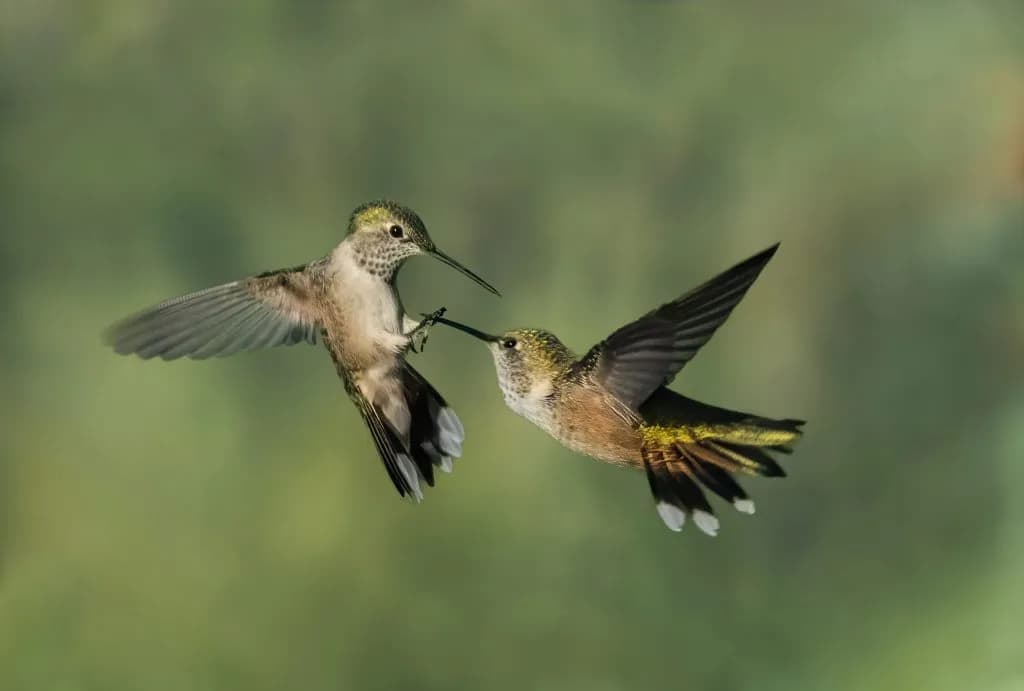
Aspen —"Spring nocturnal bird migration is here!" wrote Richard O'Brien, the chair of Lights Out Colorado, in an email, his enthusiasm and urgency palpable as he implored people to take action, to shut off outdoor lights and help the millions of birds flying over Colorado each night, navigating by starlight, on their annual spring migration. As I stood outside on a clear, dark night, the stars shone brightly above, I felt a sense of awe at the sheer scale of this natural phenomenon, the sound of crickets and the occasional hoot of an owl filling the air, and I wondered, can you feel the weight of this migration, the thrum of wings beating in the darkness, as nearly 80% of birds that migrate do so at night, often drawn to the artificial lights of buildings, which can disorient them, throwing them off their migration path, and sometimes causing them to collide with buildings or windows, a stark reminder of the impact of human activity on the natural world.
The numbers are staggering, with an estimated 2.7 million birds in flight over Colorado on the night of April 30, and the migration is only expected to increase in the coming days and weeks, according to BirdCast, a migration forecast tool created by The Cornell Lab of Ornithology, Colorado State University, and University of Massachusetts Amherst, which predicts the peak bird migration will start in late April and last through the start of June. As I looked up at the sky, I felt a sense of responsibility, knowing that our actions, or lack thereof, can have a profound impact on the safety of these birds, and I asked myself, what can we do to help, to mitigate the harm caused by our presence, and the answer, it seems, is simple: turn off our lights, shield outdoor lights to prevent light from being emitted upwards, and take other simple actions to help protect the birds traveling at night.
Lights Out Colorado, a program supported by Dark Sky Colorado and the Denver Audubon, is leading the charge, asking residents to take these simple actions, and it's worth noting that even small actions can make a big difference, as many birds are drawn to the artificial lights of buildings found along migratory pathways, and building collisions kill as many as 1 billion birds in the U.S. each year, according to the Audubon Society, with nearly half of the birds that die from flying into buildings in the U.S. colliding with homes and smaller buildings, not just skyscrapers. As I walked through the streets, I noticed the glow of porch lights, the hum of streetlights, and I wondered, how many of us are aware of the impact of our lighting on the bird migration, and how many of us will take action to help.
The expected nocturnal migrants, including black-headed grosbeaks, lazuli buntings, Swainson's thrushes, Wilson's warblers, eastern kingbirds, willets, and ash-throated flycatchers, are a diverse and beautiful group, with the black-headed grosbeaks' distinctive songs and the lazuli buntings' vibrant plumage, and it's worth the drive to get out into the countryside, to experience the magic of the migration firsthand, to hear the songs of the birds, to see the night sky filled with a soft, celestial glow, and to feel the sense of wonder that comes from being a part of something much larger than ourselves. As I stood there, taking it all in, I felt a sense of connection to the land, to the birds, and to the community that is coming together to help protect them, and I asked, will you join us, will you take action to help, to turn off your lights, to shield your outdoor lights, and to make a difference in the lives of these amazing creatures.
The sound of birds chirping, the rustle of leaves, and the distant hum of a car driving by, all blended together to create a sense of peace, of tranquility, and as I breathed in the cool night air, I felt a sense of gratitude for this moment, for the opportunity to experience the beauty of the natural world, and to make a difference in the lives of the birds that call our state home, and as I looked up, the stars shone with a gentle, ethereal light, I knew that there was still much work to be done, but for now, I was content to simply be, to observe, and to wonder at the magic of the bird migration, surrounded by the quiet of the night.
Keep up with Aspen
The day's Western Slope news, one email each morning. Free.

S&P 500 Slips Modestly as Weak Retail Sales and Oil Prices Drive Market Correction
Aspen Essay Connects Generations Through Highway 82 Landmarks