Colorado River Indian Tribes Grant Legal Personhood to River
The Colorado River Indian Tribes declared the river a living entity with legal rights, shifting from extraction to stewardship to protect water supplies and sovereignty.
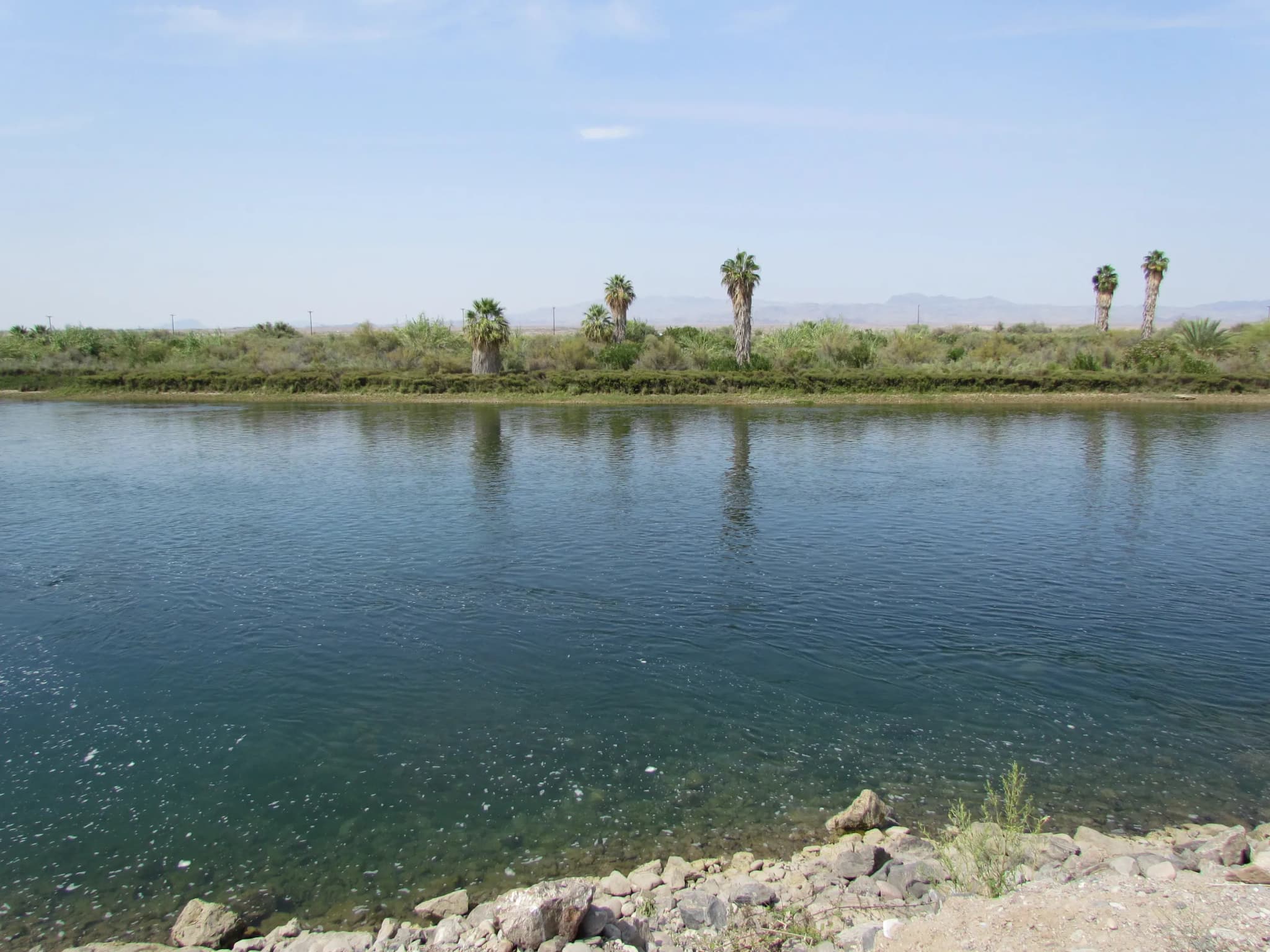
Colorado —The air off the Colorado River Indian Tribes reservation in southwestern Arizona carries the scent of wet silt and diesel from the marina. Half a mile from the water’s edge, Amelia Flores can hear the outboards cutting through the flow, a sound that has defined her life since childhood. It is a specific, sensory tether to a resource that is simultaneously a lifeline and a liability.
In November, the Colorado River Indian Tribal Council, led by Flores, made a move that sounds like legal fiction until you look closer. They gave the river personhood.
It wasn’t a sudden flash of inspiration. It was a slow burn. “It didn’t mature overnight,” Flores said. “It just evolved as the concerns started to grow.”
The decision wasn’t just symbolic. It was a strategic lever in a basin where water is the only currency that matters. The Colorado River Indian Tribes, or CRIT, sit on some of the most powerful water rights in the entire basin. They are positioned between the growing Arizona communities desperate for predictable supplies and the federal government looking for ways to manage the inevitable cuts. By declaring the river a living entity with rights under tribal law, the council isn’t just paying homage to their Creator. They are changing the terms of engagement for anyone who wants to lease that water.
Here’s the thing though: this hasn’t been tested in court yet. The resolution passed five months ago. No one knows for sure if a court will enforce the river’s “rights” against a thirsty developer or a utility district. But the intent is clear. If you want to lease CRIT’s water, you have to acknowledge the river itself has a stake in the deal. You have to act as stewards, not just extractors.
“Take care of the water, take care of the land,” Flores said, recalling the lessons from her father and other leaders. “As stewards, that’s what we’re called to do, to protect, for our people.”
This approach is part of a broader, fragmented toolkit being assembled by advocates across the 250,000-square-mile basin. While CRIT leans into indigenous law and sovereignty, others are pulling different levers. In Colorado, the fight isn’t always about declaring the river a person. It’s about pragmatism. Community groups — boating outfitters, farmers, conservationists — are teaming up on projects like whitewater parks. These aren’t just tourist traps. They are economic engines that keep water in the river for recreation while supporting local industries. It’s a way to prove that a free-flowing river is worth more than a static pool behind a dam.
The pressure is mounting. Higher temperatures, slow management changes, and persistent human demands have overstressed the system. The artery of the American West supplies 40 million people. It supports multibillion-dollar industries. It holds endangered fish in the Grand Canyon. Yet, the water is shrinking, and the management changes haven’t kept pace with the climate shift.
For CRIT, the personhood resolution is a shield against being squeezed out by larger, more politically powerful entities. It’s a way to say: We are here, and the river is here, and they are one.
Not exactly a new idea in the grand scheme of things. Indigenous groups have used personhood before, most famously with the Whanganui River in New Zealand. But applying it to the Colorado, the artery of the American West, is a bold gamble. It shifts the narrative from “how much water do we take?” to “how do we keep the river alive so it can keep us alive?”
Flores knows the stakes. She feels the breeze over the waters every day. She knows that if the river dies, the tribe loses more than just a water source. They lose their identity. They lose their lifeblood.
The resolution acknowledges the Colorado River as a living entity whose health is inextricably linked to the well-being of tribal members. It’s a legal fiction that might just become a legal reality. And until the courts say otherwise, it stands as proof that sometimes, you have to give the water a voice of its own to make sure it’s heard.
Keep up with Colorado
The day's Western Slope news, one email each morning. Free.
NWRM CASA Honors Judge O’Hara and Founders at 15th Anniversary

Craig Hosts Only Regional Special Olympics Bowling Competition
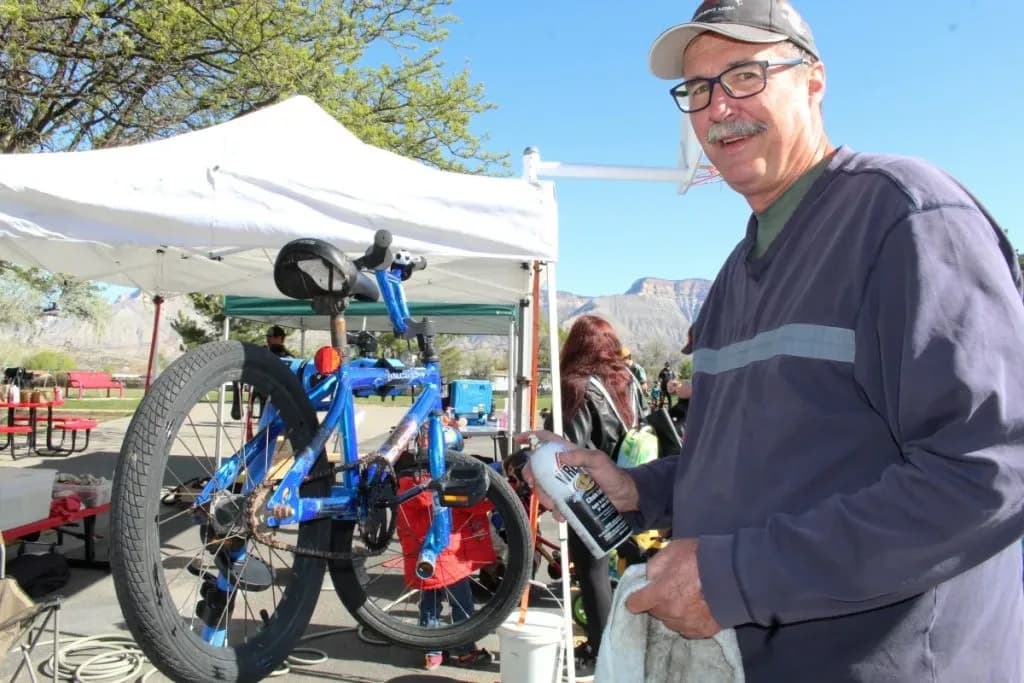
Parachute Bike Clinic Seeks Permanent Home After 66 Free Repairs
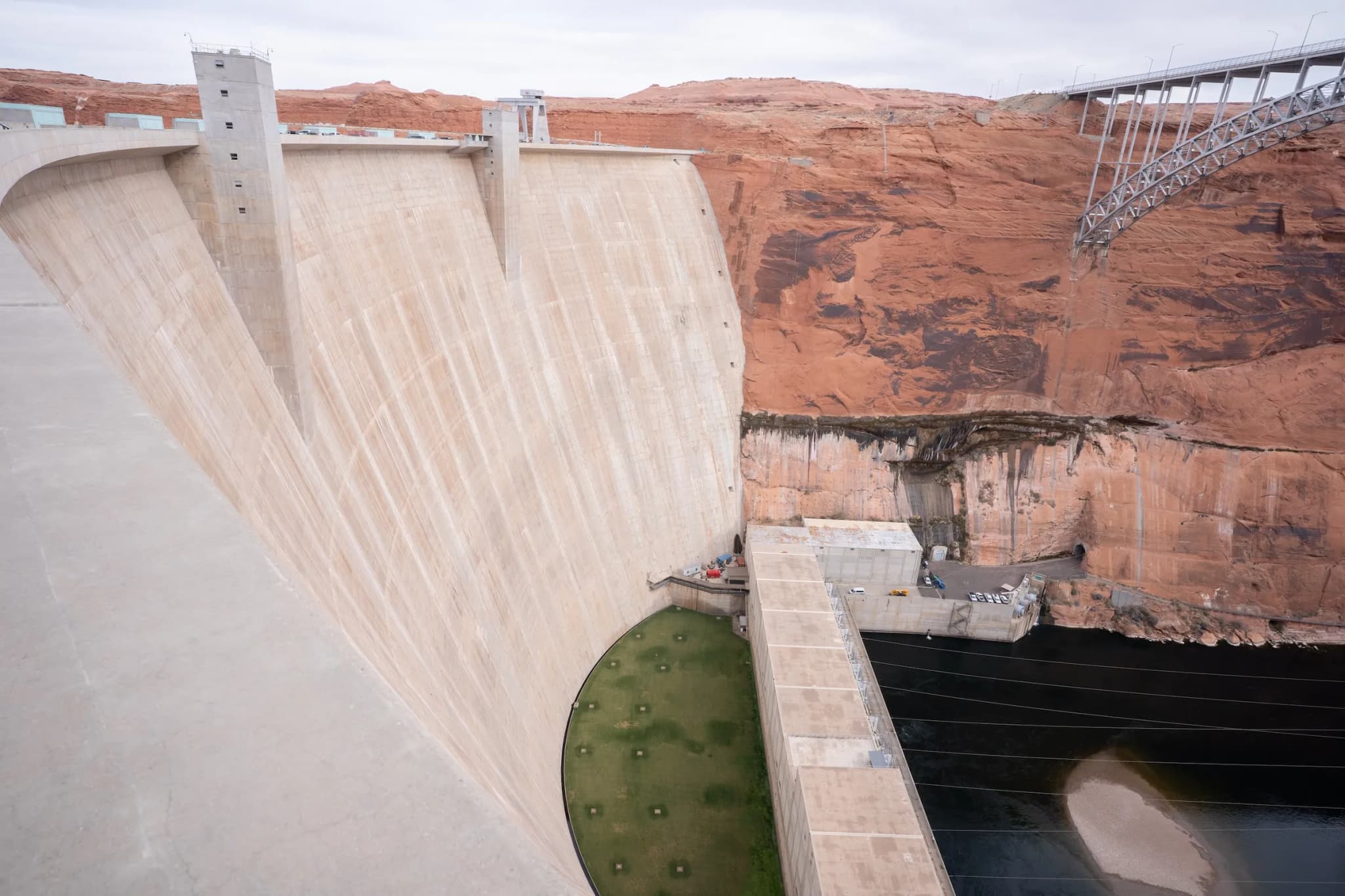
Federal Report Sets 200,000 Acre-Foot Water Conservation Target for Upper Basin
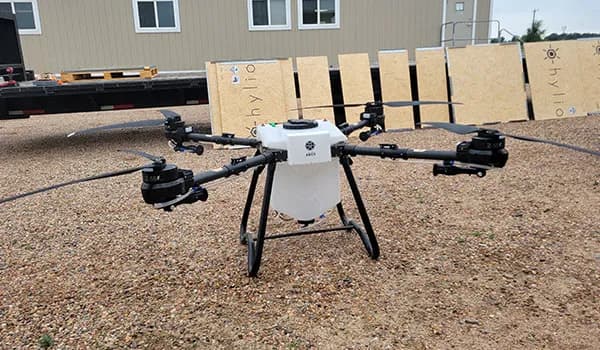
Colorado Parks and Wildlife Deploys Precision Drones for Weed Control