Snowmass Village Faces $2.25M Charging Cost for Electric Shuttle Fleet
Snowmass Village transportation director breaks down the $2.25 million price tag for charging infrastructure and the logistical challenges of transitioning to an all-electric shuttle fleet.
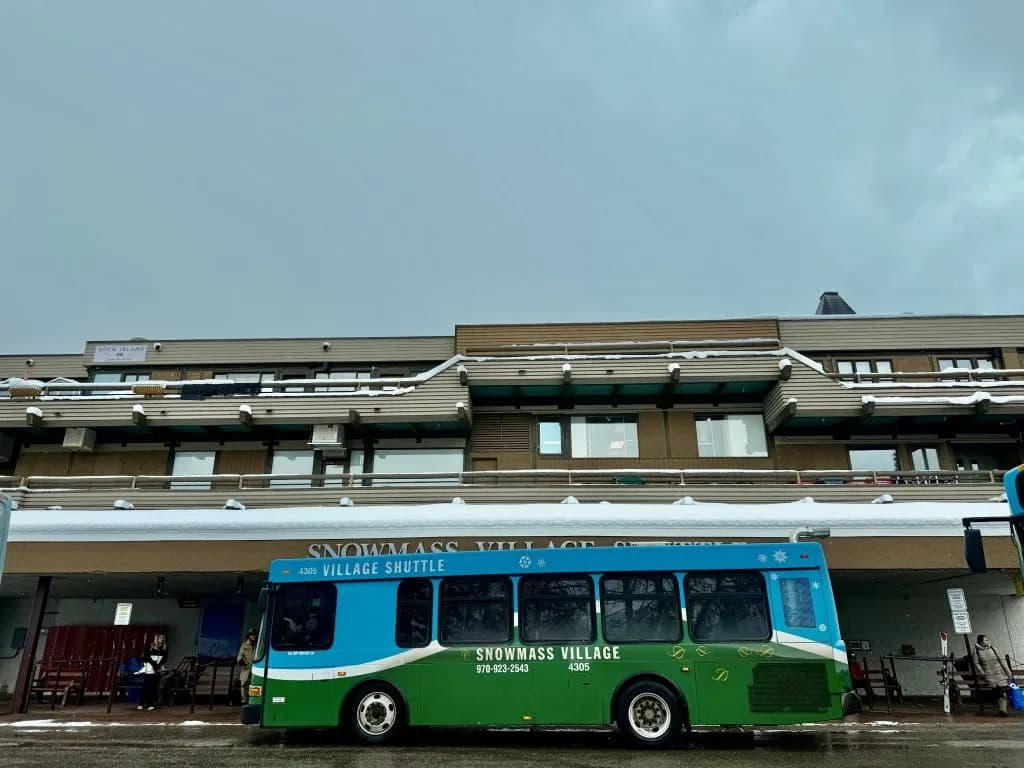
Aspen —The heater in your van hums. The engine rumbles. It’s cold, the road is steep, and you’re waiting for the shuttle to make the climb up Snowmass Village. Now imagine swapping that diesel rumble for the silent whir of an electric motor. It’s cleaner. It’s quieter. But it’s also going to cost the town $2.25 million just to plug the thing in.
That’s the headline number Sam Guarino, Snowmass Village’s transportation director, dropped on the Environmental Advisory Board Tuesday. It’s the price tag for the charging infrastructure needed to electrify the Village Shuttle. And it’s just the entry fee.
Let’s do the math on what actually moves people around here. The town is looking at a phased transition to an all-electric fleet. On paper, that sounds like a straightforward environmental win. In practice, it’s a logistical headache wrapped in a budget crisis. Guarino laid out the Zero Emission Vehicle Transition Plan, finished in December 2025, which aims to align town operations with sustainability goals. The goal is noble. The execution is expensive.
You want to know why this matters to your property taxes or the town budget? Look at the hardware. A standard 30-foot gas bus costs roughly $750,000. Swap it for electric, and that price jumps to about $1 million. That’s a $225,000 premium for the same size vehicle. And don’t think the price of electricity is saving you money. Operating and maintenance costs run $6,000 more per year for buses and $10,000 for vans.
Guarino isn’t hiding the ball. “The longer we wait, the more that will go up,” he said. He’s right. But the bigger issue isn’t just the sticker shock; it’s the physics of driving a bus up a mountain in the winter.
Snowmass Village facilities were built in the 1980s. They weren’t designed for electric vehicles. They accommodate 30-foot buses. Here’s the problem: 30-foot buses are an unpopular size for electric fleets because there’s simply no room for big batteries. You need 35 or 40-foot buses to get the range you actually need.
“You can’t get a long distance out of your batteries with that (30-foot) platform,” Guarino said. “There’s just not the space.”
The difference in size means the difference between 120 miles and 300 miles of range. For a shuttle running loops all day, that 120-mile limit is a dealbreaker. Add in the cold, which degrades battery life, and the steep inclines that eat up energy, and the numbers get ugly. Guarino noted that out of a 213-kilowatt battery, you can only count on 111 miles in reality.
That’s not a typo. It’s a hard limit.
And when the batteries die? You don’t just replace the cells. The cost of replacing electric batteries is prohibitive. It’s often cheaper to replace the entire vehicle. So you’re paying a premium for the bus, a premium for the charging station, and a premium for the eventual total loss of the asset.
Guarino says the town is “not ready right now” to just flip the switch. They’re designing a plan instead. That’s the bureaucratic way of saying they’re trying to figure out how to not go broke while trying to be green.
For locals, the bottom line is simple. The shuttle will get quieter. It will get cleaner. But the cost of maintaining that service is going up, and the risk of range anxiety on steep inclines is real. If the town doesn’t upgrade the depot or switch to larger buses, this plan stays on paper. If they do, expect the costs to trickle down to the town budget.
Keep up with Aspen
The day's Western Slope news, one email each morning. Free.