Colorado Senate Passes SB 9 to Shield Nonprofits from Federal Tax Status Changes
Senate Bill 9 severs the link between federal and state tax exemptions, ensuring Colorado nonprofits retain sales tax benefits even if Washington revokes their 501(c)(3) status.
Aspen —The premise is simple, but the mechanism is a bit bureaucratic. Senate Bill 9 is designed to decouple Colorado’s state-level tax exemptions from the federal government’s whims. If Washington decides to revoke a nonprofit’s 501(c)(3) status for political reasons, Colorado won’t automatically follow suit. The organization keeps its sales and use tax breaks.
It sounds like a shield. It is, technically. But let’s look at who is holding the hammer.
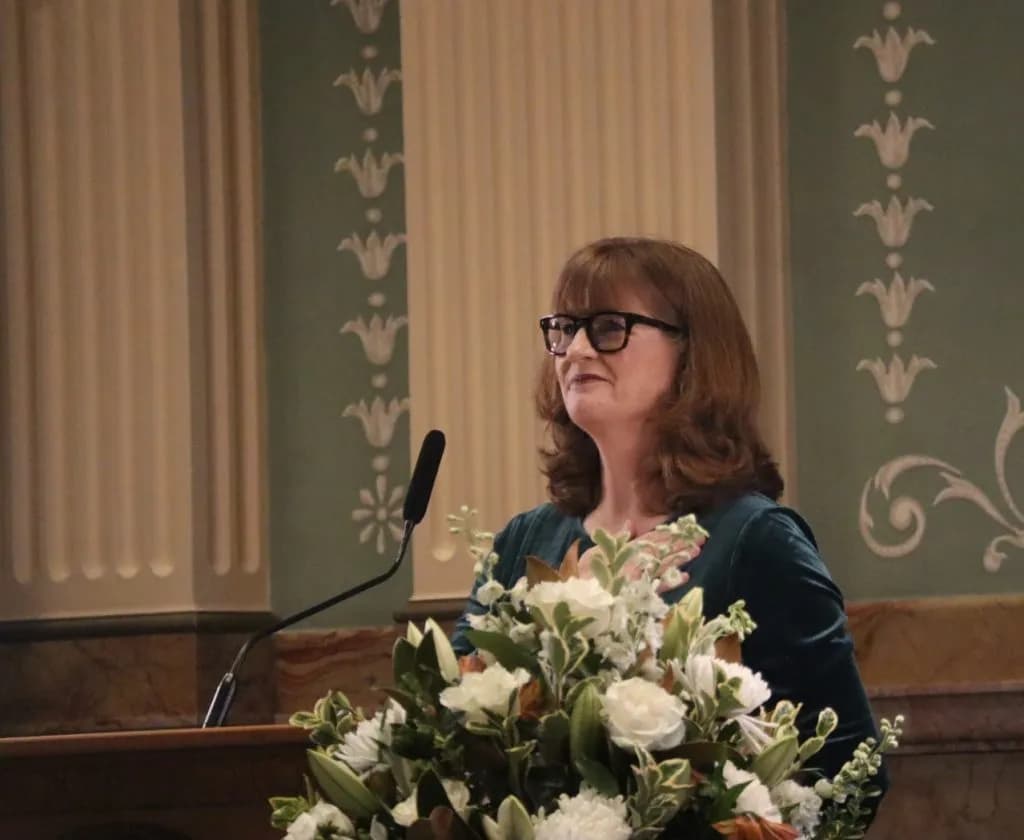
Colorado House Speaker Julie McCluskie, D-Dillon, argues this protects the bedrock of community life. She listed family resource centers, environmental groups, and immigrant advocacy organizations. “Think of any nonprofit in your community,” she said on the House floor. “This bill ensures that they will continue to qualify for sales tax and use tax exemptions.”
The logic relies on a specific vulnerability in Colorado law. Currently, our state definition of a tax-exempt charitable organization mirrors the federal definition in section 501(c)(3) of the Internal Revenue Code. The link is tight. If the federal government chooses to no longer recognize an organization’s status, the state definition breaks. The organization loses its tax-exempt status at the state level, too.
SB 9 severs that link. It allows nonprofits to keep state tax benefits as long as they hold a current or former letter from the IRS proving their 501(c)(3) status. The state is directed not to assume an organization is unqualified just because its federal status changed.
Jack Murphy, government affairs director for the Colorado Nonprofit Association, which represents over 1,000 nonprofits across the state, testified that this isn’t just a Democratic party issue. Politically-motated threats have come from both sides.
“While mission areas deemed ‘left-leaning’ have come under fire more recently, mission areas that are deemed ‘right-leaning’ have been targeted under previous federal administrations like the Biden and Obama administrations, and could be targeted again in the future,” Murphy said.
The bill was sponsored by Democrats, but it crossed the aisle. Four Republicans voted for it in the Senate. Many viewed it as a safeguard against potential political retribution under either party. It’s a pragmatic move. It insulates local charities from federal policy shifts they can’t control.
Republicans weren’t entirely blind to the risks, though. Several attempted amendments during a procedural vote on Tuesday. They wanted more guardrails on how and when the state reviews these exemptions. Rep. Ken DeGraaf, R-Colorado Springs, pointed out that status isn’t always pure.
“There are times when a 501(c)(3) status is abused, or a charitable organization status is abused; there could be fraud involved in it,” DeGraaf said.
The bill doesn’t eliminate fraud. It just stops the state from using a federal revocation as a blanket excuse to strip taxes. It requires proof of status, not just faith in federal oversight.
For locals, the impact is subtle but financial. Nonprofits save money on sales and use taxes. That money stays in the organization. It doesn’t go to the state treasury. It doesn’t go to the federal government. It stays in the community, funding the programs neighbors rely on.
The cost? Administrative clarity. The state has to track IRS letters, not just federal designations. It’s a minor shift in bureaucracy for a major shift in stability.
The bottom line is that SB 9 ensures that a political spat in Washington doesn’t bleed into our local property tax base or nonprofit budgets. It keeps the money where it’s supposed to be. In the organizations. Not in the state’s hands.
Keep up with Aspen
The day's Western Slope news, one email each morning. Free.